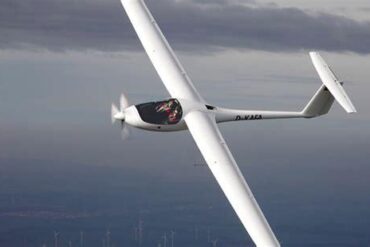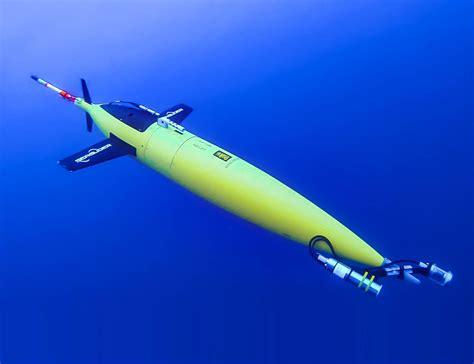
Europe’s oceans are increasingly under strain, not just from environmental pressures but also from geopolitical tensions. In an age where maritime security defines both national defense and economic stability, underwater drone gliders are emerging as a transformative solution. These autonomous systems, designed to operate silently beneath the surface for extended periods, could provide Europe with the surveillance, deterrence, and defense infrastructure it urgently needs.
The Rise of Autonomous Naval Defense
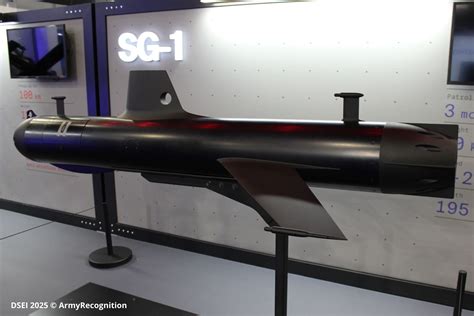
Over the past decade, drones have revolutionized military strategies across the globe. Ukraine’s deployment of sea drones to disrupt Russian naval operations in the Black Sea is a striking example of how unmanned systems level the playing field against larger adversaries. Europe has taken note of these developments, and discussions about a so-called “drone wall” of 100,000 aerial and naval drones underline the urgency of scaling this technology.
Unlike traditional naval fleets, which are expensive and manpower-intensive, drone-based systems offer cost efficiency, operational endurance, and scalable deployment. The integration of artificial intelligence (AI) has only accelerated this shift, making drones smarter, more autonomous, and far more effective in real-world missions.
Helsing and the SG-1 Fathom
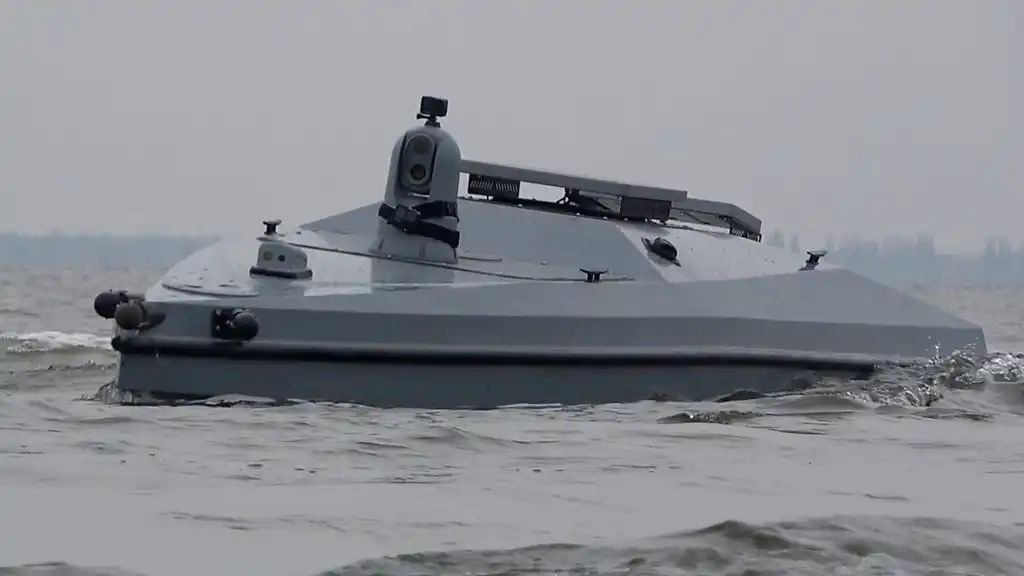
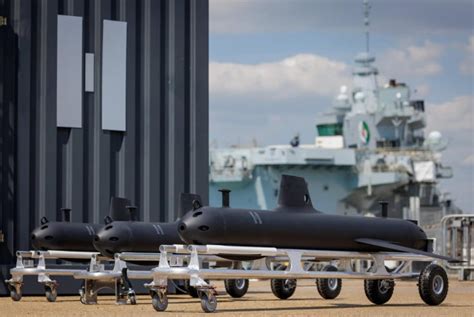
At the center of Europe’s underwater drone ambitions stands Helsing, a German defense technology startup valued at €12 billion. Backed by high-profile investors such as Spotify co-founder Daniel Ek, Helsing seeks to reshape European defense through AI-driven platforms. Among its most ambitious projects is the SG-1 Fathom, an underwater drone glider that represents a new era in subsurface surveillance and defense.
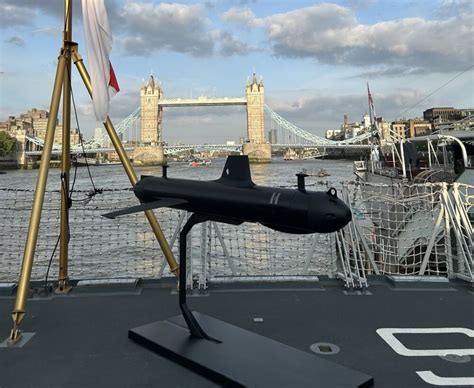
The SG-1 Fathom is compact yet powerful. Measuring 6 feet 5 inches in length and weighing just over 130 pounds, it can patrol at speeds of up to 2 knots per hour for three months without refueling or resurfacing. Powered by Helsing’s proprietary AI model, Lura, the SG-1 can process vast underwater acoustic datasets, allowing it to detect and classify sound signatures with unparalleled precision.
The AI Advantage – Lura as a Large Acoustic Model
Most people are familiar with large language models, but Helsing’s Lura is a large acoustic model. Trained on terabytes of underwater sound data, Lura specializes in identifying unique acoustic signatures—ranging from submarine propellers to stealth vessels.
Key capabilities include:
- Detection of sound signatures 10 times quieter than competitor systems.
- Processing speeds 40 times faster than human operators.
- Ability to distinguish between natural oceanic noise, commercial vessels, and military submarines.
This makes the SG-1 Fathom not just a surveillance device but a strategic intelligence tool. When deployed in swarms or distributed seabed stations, these gliders can act like a “constellation of underwater satellites,” digitizing Europe’s maritime domain in real time.
Strategic Partnerships and Testing
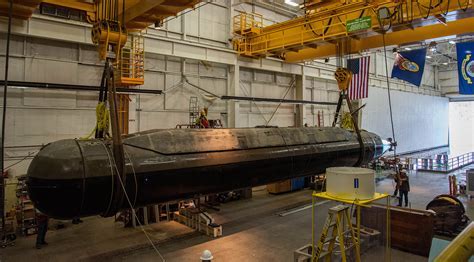
Helsing’s ambitions are supported by partnerships with Ocean Infinity, Blue Ocean Marine Tech Systems, and QinetiQ, enhancing its robotics, data integration, and operational scalability. The company has established a factory in Plymouth, UK, where prototypes undergo rigorous testing in Atlantic waters.
Although Helsing has not disclosed official buyers, several European navies have expressed interest. Considering the strategic significance of the North Sea, Baltic Sea, and Mediterranean, early adoption of these underwater gliders could dramatically strengthen maritime defense and intelligence capabilities.
Underwater Drone Gliders in Europe’s Rearmament
Europe is undergoing its largest military spending surge in modern history. In March 2025, the European Commission unveiled the ReArm Europe Plan, mobilizing €800 billion in defense spending, including €150 billion in defense loans for member states. Germany, under Chancellor Friedrich Merz, pledged to raise defense spending to 3.5% of GDP by 2029, nearly tripling its military budget to €153–162 billion annually.
In this context, Helsing’s SG-1 Fathom aligns with Europe’s dual priorities: strengthening defense while embracing technological innovation. Unlike conventional submarines, which cost billions per unit and require years of training for operators, underwater gliders are scalable, affordable, and easily integrated into broader naval strategies.
Helsing’s Expanding AI-Powered Arsenal
The SG-1 is just one component of Helsing’s expanding defense portfolio. Other notable systems include:
- HX-2 Strike Drone – A swarm-capable aerial drone with an operational range of 60 miles, equipped with AI-resistant electronic countermeasures.
- Cirra – AI-driven software designed to neutralize anti-aircraft radar systems.
- Centaur – An autonomous aerial combat agent capable of coordinating unmanned dogfights.
Ukraine has already ordered 10,000 drones from Helsing, including 6,000 HX-2 units, underscoring the company’s growing international relevance. The ability to integrate air, surface, and subsurface drones creates a multi-domain defense ecosystem where AI plays a central role.
Competitive Landscape
While Helsing positions itself as Europe’s defense technology champion, competition is intensifying. OpenAI’s collaboration with Anduril and Anthropic’s partnership with Palantir highlight the convergence of AI firms and military contractors worldwide. Additionally, traditional European defense companies such as Thales, Rheinmetall, and Saab are entering the AI-drone space.
Whether the SG-1 Fathom can rise above competitors will depend on its ability to scale production, prove operational reliability, and secure European government contracts at a time when procurement is accelerating.
Data Table: SG-1 Fathom Key Specifications
| Feature | Specification |
|---|---|
| Length | 6 ft 5 in (1.96 m) |
| Weight | ~130 lbs (59 kg) |
| Endurance | Up to 3 months |
| Speed | 2 knots (3.7 km/h) |
| AI System | Lura – Large Acoustic Model |
| Detection Sensitivity | 10x quieter signatures than competitors |
| Processing Efficiency | 40x faster than human operators |
| Deployment Options | Swarm patrols, seabed stations, remote monitoring of 100+ units per operator |
| Operational Depth | Variable sea depths (unspecified maximum) |
| Testing Facility | Helsing factory, Plymouth, UK |
The Strategic Importance of Europe’s Oceans
Europe’s maritime domain includes vital trade arteries such as the English Channel, Baltic Sea, and Strait of Gibraltar, along with contested zones like the Arctic and Eastern Mediterranean. These waters are increasingly vulnerable to:
- Submarine incursions from rival powers.
- Sabotage of undersea infrastructure, such as pipelines and communication cables.
- Illegal fishing and environmental exploitation.
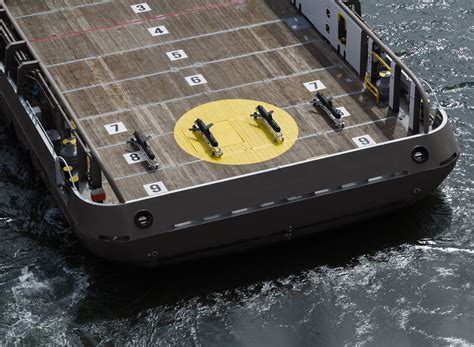
By deploying underwater drone gliders, Europe can establish a persistent, cost-effective surveillance shield. Unlike satellites or surface vessels, gliders operate unobtrusively, making them ideal for long-term monitoring and deterrence without escalating tensions.
Conclusion
The future of Europe’s maritime security may depend less on traditional naval fleets and more on networks of intelligent, autonomous underwater drones. With the SG-1 Fathom, Helsing presents a compelling vision: a continent defended by swarms of silent guardians, powered by advanced AI, and capable of monitoring oceans with unprecedented accuracy.
As Europe commits hundreds of billions to its defense, underwater drone gliders are poised to become not just a strategic advantage but a cornerstone of maritime resilience in an increasingly unstable world.
FAQs
What makes the SG-1 Fathom different from traditional submarines?
The SG-1 Fathom is significantly smaller, cheaper, and autonomous. Unlike submarines requiring large crews and high operational costs, it can patrol independently for months, detecting acoustic signatures with far greater efficiency.
How could underwater drone gliders protect Europe’s undersea infrastructure?
By deploying in swarms along pipelines, communication cables, and chokepoints, gliders can provide constant surveillance, detect anomalies, and respond faster to threats such as sabotage or unauthorized submarine activity.
When will Europe begin deploying underwater drone gliders?
Helsing aims to deploy the SG-1 Fathom by the end of 2025. While testing is ongoing, several European navies have already expressed interest, making deployments likely within the next few years as part of the broader ReArm Europe initiative.