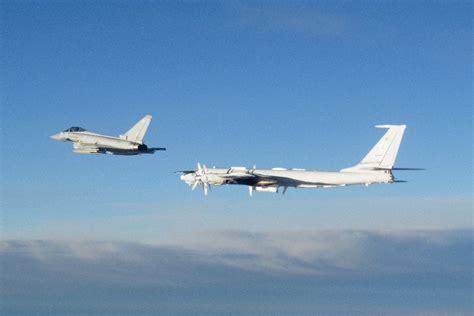
The Royal Air Force (RAF) has once again demonstrated its critical role in NATO’s air defense, intercepting Russian jets on two separate occasions within less than 48 hours. These actions underscore the escalating tensions between Russia and the Western military alliance, particularly in the wake of Russia’s ongoing aggression in Ukraine. As NATO continues to reinforce its airspace security, the RAF’s rapid response to Russian incursions signals the alliance’s unwavering commitment to protecting its members and deterring further aggression. In this article, we will explore the details of these operations and the broader strategic context in which they occurred.
RAF Intercepts Russian Aircraft in High-Stakes Operations
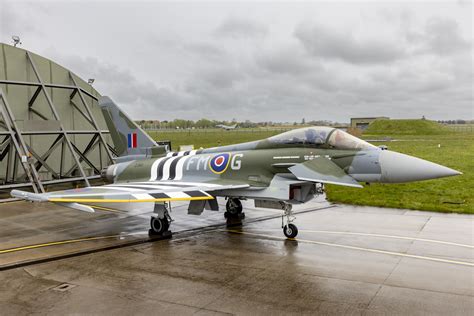
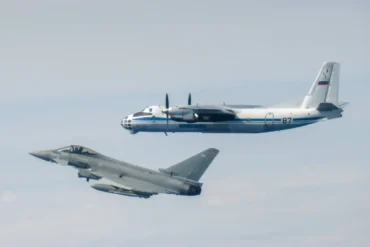
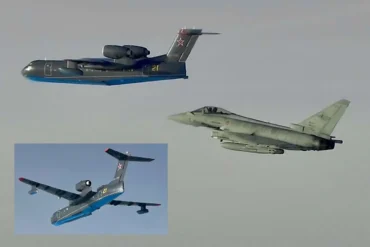
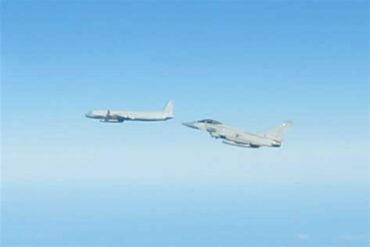
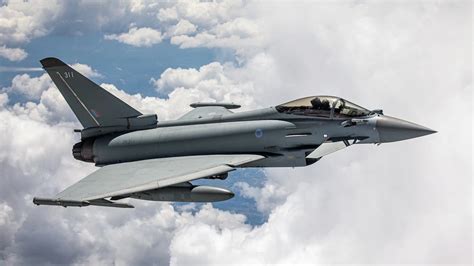
Earlier this week, two RAF Typhoon fighter jets were scrambled to defend NATO’s airspace against an incursion by Russian warplanes. The jets, stationed at Malbork airbase in Poland, were dispatched to intercept a Russian spy plane over the Baltic Sea, signaling a decisive move to safeguard NATO’s borders. This incident was one of two separate actions taken by the RAF in quick succession, highlighting the growing frequency of Russian attempts to challenge NATO’s air defenses.
The Typhoons’ rapid deployment underlined the readiness and precision of NATO’s air policing mission. RAF fighter jets have been stationed at Malbork as part of a larger defense initiative with Sweden, a country that recently joined NATO. This partnership highlights the strengthening of air defense capabilities across the alliance, aimed at deterring adversaries and ensuring the safety of member states.
Less than 48 hours after the first interception, another pair of Typhoons were scrambled in response to a second Russian aircraft near the Kaliningrad exclave. This rapid succession of air intercepts underscores the increasing pressure on NATO to maintain vigilance and readiness in the face of Russian provocations. The swift deployment of British forces in Poland demonstrates NATO’s commitment to collective defense, which is enshrined in the alliance’s founding principles.
Operation Chessman: Strengthening NATO’s Air Defense
The RAF’s recent involvement in these intercept operations marks the first activation of Operation Chessman, a new NATO mission designed to bolster Europe’s air defenses in response to the growing Russian threat. The operation aims to enhance NATO’s ability to respond to aerial incursions by adversaries, with a focus on the defensive and deterrent capabilities of the alliance.
This mission comes at a time of heightened security concerns, as Russia’s military activities have become more aggressive since the invasion of Ukraine began three years ago. The Russian air force has routinely tested NATO’s airspace boundaries, flying close to allied territories in a provocative manner. This pattern of behavior has prompted NATO to strengthen its defense posture in both the air and on the ground.
Under Operation Chessman, the RAF’s Typhoon fighter jets are operating alongside Swedish forces to protect NATO’s northern and eastern borders. This collaboration between the UK and Sweden, both members of NATO, is a key element in the alliance’s strategy to defend its airspace and deter any hostile actions by the Russian Federation.
Rising Tensions and Growing Russian Aggression
The latest series of air defense operations is not an isolated incident but part of a broader trend of increasing Russian military aggression. Since the invasion of Ukraine, Russian forces have regularly tested the readiness of NATO’s defenses, including frequent incursions into NATO airspace. These actions have become more assertive, with Russian warplanes approaching NATO borders in a direct challenge to the alliance’s security.
The RAF’s interception of Russian aircraft over the Baltic Sea and near Kaliningrad is a clear indication of Russia’s escalating military presence in the region. These incursions, combined with the ongoing war in Ukraine, have put NATO on high alert. The alliance’s response to these threats has been swift and resolute, with RAF Typhoons frequently deployed to defend the skies.
Furthermore, Russia has been actively seeking to exploit perceived vulnerabilities in NATO’s defense structure. This includes a growing pattern of provocative aerial maneuvers near NATO’s eastern borders, as well as increased submarine activity in European waters. NATO’s focus has therefore been on ensuring its military readiness and maintaining a visible presence in these strategic areas.
Strategic Importance of the RAF’s Interception Missions
The RAF’s role in defending NATO airspace has become increasingly vital as global tensions rise. The recent Typhoon intercepts demonstrate the UK’s commitment to NATO and its readiness to deploy advanced combat aircraft at a moment’s notice. This marks a significant step in the broader effort to strengthen the alliance’s air defense capabilities in the face of Russia’s growing military assertiveness.
RAF fighter jets, which are typically based at RAF Lossiemouth in Scotland, were only recently redeployed to Poland as part of a joint defense initiative with Sweden. This mission aims to enhance regional security by increasing the operational capabilities of NATO’s air forces in the area. The deployment also reinforces the message that NATO is prepared to act decisively to protect its airspace, regardless of the circumstances.
The decision to station RAF Typhoons in Poland reflects NATO’s strategic priorities in Eastern Europe, particularly in light of Russia’s aggressive actions in Ukraine. With Poland and the Baltic states facing direct security threats from Russia, the presence of RAF aircraft in the region acts as a deterrent against further incursions and emphasizes the alliance’s solidarity in defense of its borders.
Political Implications and NATO’s Continued Commitment to Defense
The timing of these air defense operations coincides with heightened political tensions between the US and Russia. US President Donald Trump has recently signaled frustration with the pace of negotiations over a potential ceasefire in Ukraine, suggesting that he might pull out of peace talks. This, in turn, has heightened concerns within NATO regarding the future of US military support for the alliance.
As NATO seeks to strengthen its defense posture in the face of these political challenges, the role of the UK and other European nations in defending the alliance’s airspace has become even more critical. With the US potentially scaling back its military presence in Europe, NATO members like the UK are stepping up their commitments to maintain security and deter Russian aggression.
The recent Typhoon intercepts will likely be used by the UK government to emphasize the growing Russian threat and to underscore the importance of a strong NATO presence in Europe. As the alliance continues to navigate these challenging geopolitical dynamics, the RAF’s contributions will remain a cornerstone of its defensive strategy.
The Future of NATO’s Air Defense Strategy
Looking ahead, NATO will need to continue adapting its air defense strategy to address the evolving threats posed by Russia. The recent use of Typhoon fighter jets under Operation Chessman is just one example of the alliance’s increasing reliance on air power to deter hostile actions and ensure the protection of its borders. As Russia’s military capabilities continue to evolve, NATO’s air policing missions will likely become even more crucial in maintaining the security of member states.
Furthermore, the growing importance of joint operations with non-member countries like Sweden highlights the need for interoperability and cooperation in modern defense strategies. As NATO expands its defense capabilities to meet new challenges, the alliance will continue to build upon its existing partnerships and strengthen its collective security framework.
In conclusion, the RAF’s recent intercepts of Russian jets over NATO airspace represent a critical component of the alliance’s broader defense strategy. As Russia’s provocations in Eastern Europe increase, NATO’s commitment to defending its airspace and deterring adversaries will remain central to ensuring the security of the alliance and its member states.