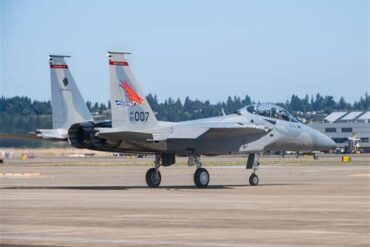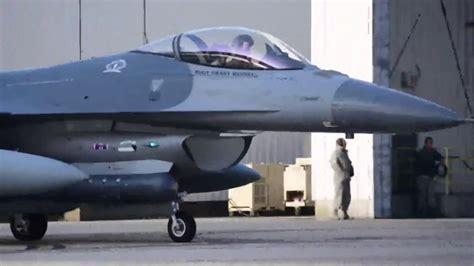
In a dramatic escalation of aerial enforcement, F-16 fighter jets belonging to the North American Aerospace Defense Command (NORAD) executed five intercepts in a single day to counter civilian aircraft breaching restricted airspace over Bedminster, New Jersey. This series of incidents underlines not only the persistent risks posed by unauthorized air traffic but also the critical role of NORAD in safeguarding sensitive airspace.
Restricted Airspace Breaches Over Bedminster: A Growing Concern
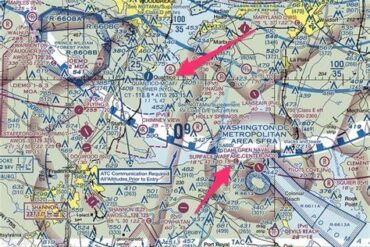
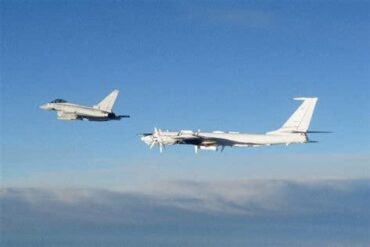
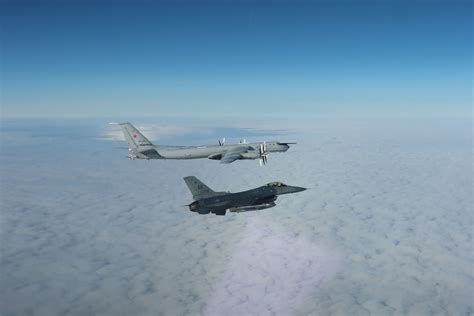
The fifth violation of the day marked an alarming trend. A civilian aircraft inadvertently strayed into the Temporary Flight Restriction (TFR) zone set up around Bedminster, triggering NORAD to dispatch an F-16 to intercept. Utilizing the standard “headbutt” maneuver—a defensive tactic where the fighter jet positions itself directly ahead of the intruding aircraft—the F-16 pilot successfully compelled the civilian plane to alter its course and vacate the restricted area.
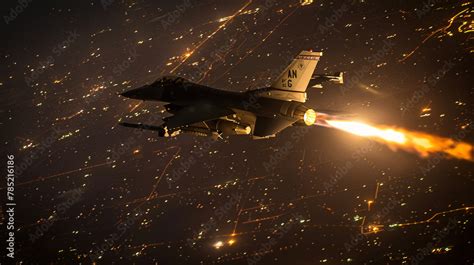
While the pilot’s prompt correction prevented potential escalation, NORAD officials expressed deep concern over repeated violations occurring within hours. The current protocols rely heavily on pilots adhering to FAA-issued Notices to Airmen (NOTAMs), which outline active TFRs. NORAD’s spokesperson emphasized, “It is critically important for North American flight safety that Temporary Flight Restriction (TFR) violations are avoided.”
NORAD’s Tactical Response: Headbutt Maneuver in Action
NORAD fighter pilots are trained to execute rapid-response intercepts, employing strategies like the headbutt maneuver to visually capture an intruding pilot’s attention. This method places the military jet visibly ahead of the civilian aircraft, signaling it to turn away from the restricted zone. While considered non-aggressive, the maneuver is decisive and backed by the lethal capabilities of the F-16 Fighting Falcon, should circumstances demand escalation.
Each intercept is not merely an operational footnote but a high-stakes enforcement of national security protocols. Given the sensitive nature of Bedminster’s airspace—often associated with Presidential Temporary Flight Restrictions—the slightest misjudgment can prompt full-scale air defense mobilization.
The Rising Threat: Multiple Intercepts Signal Troubling Pattern
The day’s events, culminating in five separate intercepts, are more than isolated incidents. According to NORAD officials, each breach reflects a worrying increase in unauthorized airspace entries. Prior to the Bedminster fifth intercept, three other violations had already been neutralized by F-16 sorties. Analysts point to pilot complacency, unfamiliarity with current NOTAMs, and overreliance on outdated flight planning systems as potential causes.
1st Air Force officials underscored the issue, stating, “If you’re flying anywhere near Bedminster, NJ, you’d better check NOTAMs 1353, 1358, 2246, and 2247. No excuses! Stay sharp, stay legal, and stay out of restricted airspace.”
FAA Regulations and the Imperative of NOTAM Compliance
The Federal Aviation Administration (FAA) mandates strict compliance with NOTAMs, particularly those establishing TFRs over high-security regions. Violators risk immediate interception by NORAD aircraft, possible civil penalties, and potential criminal charges if violations are deemed deliberate.
Temporary Flight Restrictions, often invisible to the untrained eye, form invisible security shields. For areas like Bedminster—frequented by high-profile figures including former presidents—these TFRs are dynamically enforced. NOTAMs like 1353, 1358, 2246, and 2247 outline prohibited entry zones, altitude limits, and operational timeframes. Their timely review is non-negotiable for aviators operating in affected sectors.
Inside NORAD’s Defense Command Operations
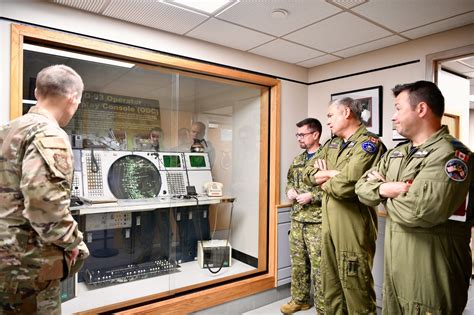
Operating from Peterson Space Force Base in Colorado, NORAD integrates aerial surveillance, command-and-control systems, and rapid deployment capabilities to secure both U.S. and Canadian airspace. Each airspace violation triggers immediate radar tracking, chain-of-command assessments, and scramble orders for ready fighter squadrons stationed across multiple airbases.
In Bedminster’s case, NORAD’s Eastern Air Defense Sector (EADS) coordinated the F-16 sorties, tracking the civilian aircraft from incursion to intercept. Fighter pilots, often airborne within minutes of detection, rely on Link 16 tactical data networks, AWACS radar coverage, and ground control intercept instructions to locate and interdict airspace violators effectively.
Legal and Strategic Ramifications of Airspace Violations
Unauthorized penetration of restricted airspace carries severe implications beyond the immediate physical threat. Strategically, such incursions challenge NORAD’s deterrence credibility, exposing vulnerabilities in national air defense architecture. Legally, intercepted pilots may face:
- Civil aviation fines exceeding $10,000 per violation.
- Suspension or revocation of pilot certificates.
- Criminal prosecution, especially if actions are deemed willful or negligent.
- Media scrutiny, potentially damaging professional aviation careers.
Each intercept also demands detailed post-incident investigations, draining NORAD resources and diverting assets from other critical defense operations.
The Importance of Pilot Vigilance: Training and Technology Gaps
Experts argue that recent increases in TFR breaches highlight systemic gaps in general aviation pilot training. While commercial pilots operate under stringent regulatory oversight, private and recreational aviators often lack up-to-date TFR awareness due to outdated pre-flight briefing habits and insufficient real-time alert systems.
While flight planning apps and avionics systems can relay NOTAM updates, the onus remains squarely on the pilot-in-command to verify and comply. NORAD officials reiterated, “Adhering to FAA restricted airspace protocols is mandatory, regardless of geographical region, airframe, or aircrew.”

Lessons from Bedminster: The Cost of Complacency
The five intercepts over Bedminster are stark reminders that failure to comply with TFRs can escalate routine flights into national security incidents. These breaches, often attributed to simple complacency or poor flight planning, necessitate fast, armed intervention from NORAD’s fighter squadrons. While no shots were fired, the potential for catastrophic miscalculation looms over each intercept scenario.
In the aftermath of these events, NORAD has intensified public outreach to general aviation communities, warning that ignorance of NOTAMs is no defense against armed response. The message to pilots is clear: vigilance is not optional.
Conclusion: Securing the Skies Requires Shared Responsibility
The five F-16 intercepts over Bedminster serve as a potent wake-up call to the aviation sector. NORAD’s swift response prevented possible disaster, but the underlying issues demand systemic attention. Compliance with NOTAMs, diligent pre-flight planning, and technological modernization across general aviation fleets are critical to preventing future incursions.
In an era where airspace violations can trigger armed military response within minutes, pilots must embrace their role as front-line custodians of national air security. The skies over Bedminster—and indeed all of North America—depend on it.