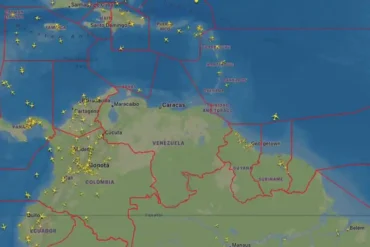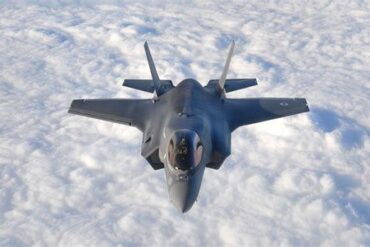
The sudden reopening of Caribbean and Latin American airspace has sparked an urgent response from airlines, triggering a sweeping restoration of routes and expansion of capacity across the region. This comes in the wake of U.S. military activity in Venezuela that temporarily disrupted air travel over the weekend, leaving thousands of travelers stranded and airlines racing to reorient operations.
Regional Disruption Unfolds in Wake of U.S. Military Action
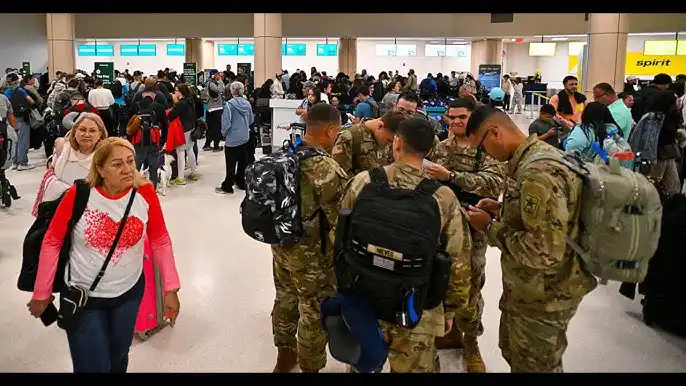
The domino effect caused by the temporary airspace shutdowns was immediate and widespread. Commercial flights were rerouted, delayed, or outright canceled as US military maneuvers over Venezuelan territory triggered cascading airspace curbs. For the Caribbean, a region reliant on intricate air corridors and tight scheduling, even brief disruptions quickly snowball into logistical chaos.
With restrictions now lifted, airlines face the daunting task of clearing the backlog of displaced passengers, repositioning aircraft, and restoring passenger confidence.
Delta Air Lines Leads With Rapid Capacity Surge
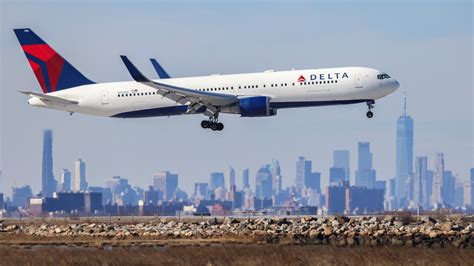
Among the fastest movers has been Delta Air Lines, a SkyTeam founding member and one of the dominant forces in U.S.-Caribbean aviation. Operating from its Atlanta hub, Delta announced a significant ramp-up of regional service within hours of the airspace reopening.
According to an official statement, Delta has added over 2,600 extra seats through unscheduled flights and upgauging aircraft on Caribbean routes. The carrier advised passengers flying in the region to arrive at least three hours early due to heightened congestion at regional airports.
The operational challenge is twofold: managing the surge in rebooked passengers while maintaining on-time performance in an already volatile operating environment. Yet Delta’s agile response demonstrates the leverage large legacy carriers have when crisis response demands both fleet depth and scheduling flexibility.
American Airlines Revives Inter-Island Caribbean Flying
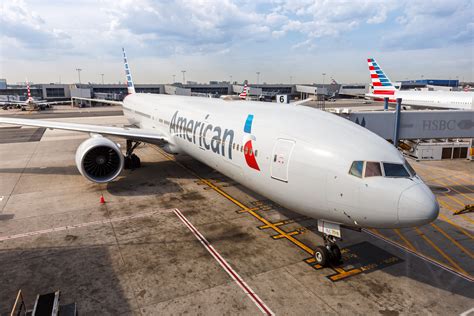
American Airlines, the world’s largest airline by fleet size and a oneworld founding member, has gone even further. In a dramatic return to Caribbean connectivity, the airline scheduled 43 extra flights, injecting nearly 7,000 seats into the disrupted market.
This sudden expansion has rekindled an operational pattern long thought dormant: inter-island flying within the Caribbean. For the first time in over a decade, American—through regional affiliate Envoy Air—is operating short-haul routes between Anguilla, the British Virgin Islands, and San Juan, Puerto Rico.
The relaunch is strategic. San Juan serves as a key regional hub where passengers can transfer to American’s Miami-bound Boeing 777-300ER flights, maximizing long-haul capacity and consolidating regional demand. With additional nonstop services from Miami to Barbados, Grenada, St. Kitts, Bonaire, and more, American is aggressively reclaiming disrupted passenger flows.
United Airlines Offers Flexibility Amid Recovery
United Airlines, rounding out the U.S. “big three,” has also acted swiftly to stabilize its Caribbean operations. In partnership with the Star Alliance, United not only reinstated its scheduled Caribbean flights but also supplemented its network with additional rotations.
Passengers affected between January 3 and 6 were offered a change fee waiver for rebooking through January 13, demonstrating United’s customer-focused approach in the midst of operational recovery. The waiver aims to reduce call center and airport rebooking congestion while providing flexibility for those still navigating travel uncertainties.
While United’s response may be more measured compared to Delta and American, it nonetheless reflects the coordinated urgency shared across major U.S. carriers.
JetBlue Scrambles to Cover Gaps Amid Cancellations
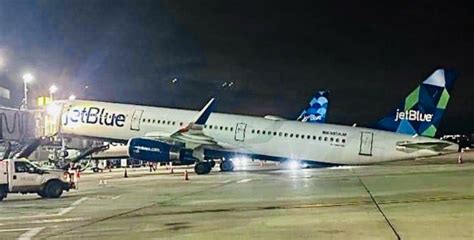
Outside the legacy giants, JetBlue—a major player in U.S.-Caribbean connectivity—faced significant fallout from the shutdown. Known for its strong presence in destinations such as Puerto Rico, the Dominican Republic, and the Lesser Antilles, JetBlue was forced to cancel over 200 flights, stranding passengers across its Caribbean network.
In response, the New York-based airline launched a dual-pronged recovery plan: rapidly rebooking displaced passengers and deploying additional flights on key routes. Despite operating a smaller fleet, JetBlue’s hybrid model has enabled it to respond with agility in high-density leisure markets.
Why the Caribbean is Especially Vulnerable
The Caribbean’s vulnerability to airspace disruptions is magnified by its island geography, lack of alternative transportation, and reliance on high-frequency air links. When flights stop, entire economies pause. Tourism-dependent nations like Barbados, St. Lucia, and the Bahamas suffer immediate revenue losses, while residents face limited access to medical care, family connections, and food supply chains.
The recent disruption has reignited calls for regional coordination on aviation resilience, with some leaders suggesting the creation of a Caribbean air operations task force to liaise with international bodies during geopolitical or military events that might threaten regional stability.
The Bigger Picture: Geopolitics and Airspace Management
While airlines bear the brunt of recovery logistics, the root cause—U.S. military action in Venezuela—raises critical questions about how non-combatant airspace is managed during foreign operations.
Industry analysts have pointed to the need for better preemptive communication between governments, air traffic control authorities, and civil aviation stakeholders. The opaque nature of last weekend’s airspace restrictions blindsided many airlines, forcing reactive decisions instead of pre-planned contingencies.
Long-Term Impacts on Airline Strategy
The intensity and scale of the response by major carriers suggest that Caribbean connectivity remains a strategic priority. As climate disruptions, political tensions, and airspace sovereignty conflicts increase, airlines are likely to:
- Diversify airport pairings to reduce dependence on single-hub routing.
- Forge deeper alliances with regional carriers to enable short-notice network adaptation.
- Invest in data-driven resilience modeling to forecast and simulate regional disruptions.
Moreover, this event may serve as a catalyst for U.S. airlines to strengthen their Caribbean presence year-round, not just during high-demand travel seasons. Some routes reintroduced as emergency stopgaps—like inter-island connections or widebody services to smaller islands—may prove commercially viable over time.
Conclusion: A Test of Speed and Coordination
The rapid, high-stakes response to the lifting of Caribbean airspace curbs has tested airline agility, resource deployment, and passenger service frameworks. While full normalization will take days—if not weeks—the current pace of restoration reflects a mature, strategically focused aviation sector capable of responding to geopolitical shockwaves.
For Caribbean nations and the global aviation community alike, the lessons are clear: speed, transparency, and operational depth are critical to weathering the skies of disruption.