The leaders of the largest airlines in the United States have issued an urgent call to Congress, warning that the ongoing Department of Homeland Security funding lapse is rapidly destabilizing airport operations nationwide. In a coordinated appeal, the chief executives of United Airlines, Delta Air Lines, Southwest Airlines, JetBlue, and Alaska Airlines urged lawmakers to reach an immediate agreement to end the shutdown that has left thousands of aviation security employees working without pay.
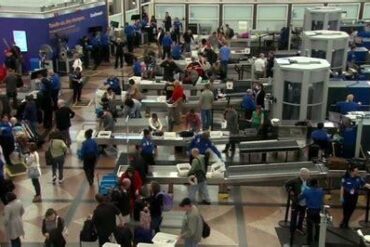
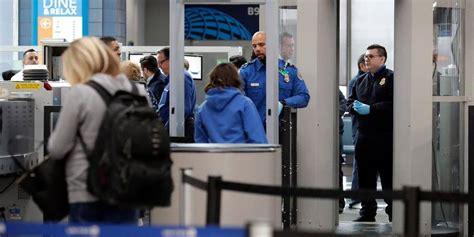
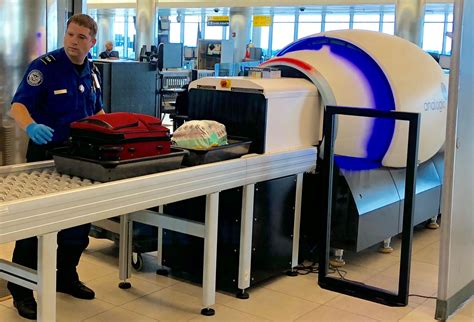
For nearly a month, more than 50,000 Transportation Security Administration officers have been performing critical airport screening duties without receiving a full paycheck. The financial strain on this workforce is beginning to ripple across the aviation system, as absenteeism rises and security checkpoints struggle to maintain staffing levels. Airlines say the consequences are now visible to passengers across the country.
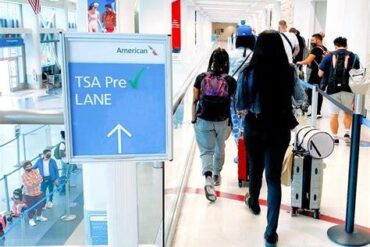
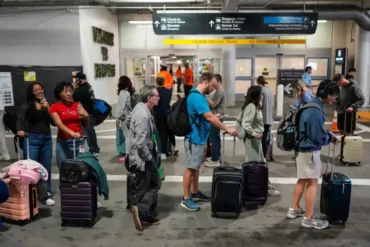
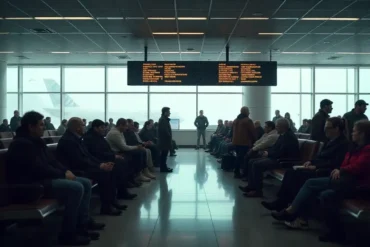
Airport security lines have grown significantly longer at several major travel hubs, sometimes stretching beyond terminals and onto sidewalks. As passenger traffic builds ahead of the busy spring travel season, airline executives warn that the situation could escalate rapidly if Congress does not intervene.
Airline Leaders Warn of Growing Security and Operational Risks
In their open letter to lawmakers, airline executives emphasized that the aviation sector relies heavily on stable government operations. The Transportation Security Administration (TSA) plays a foundational role in maintaining both passenger safety and operational efficiency at more than 400 airports across the United States.
The airline CEOs argued that while aviation employees remain committed to public safety, the prolonged lack of pay is pushing the workforce toward a breaking point. Security officers classified as essential personnel must continue reporting to duty during government shutdowns, but their compensation is delayed until Congress approves a funding bill.
Executives from major carriers stressed that resolving the funding impasse should be an immediate priority. They called on political leaders to reach a bipartisan agreement that restores financial stability to the Department of Homeland Security, which oversees the TSA.
Beyond ending the current crisis, the airline industry also urged lawmakers to create structural protections that would prevent future shutdowns from disrupting aviation security. Industry leaders believe that shielding critical aviation operations from political gridlock is essential to preserving national transportation stability.
Security Screening Shortages Trigger Delays at Major Airports
The staffing challenges are already becoming visible to travelers at some of the nation’s busiest airports. Security checkpoints at Houston Hobby Airport, Austin–Bergstrom International Airport, and Philadelphia International Airport have experienced significant congestion as screening lanes operate with reduced staffing.
Reports from several airports indicate that waiting times at security checkpoints have increased dramatically, with some passengers facing multi-hour delays before reaching departure gates. These conditions are especially concerning as the United States approaches one of the busiest travel periods of the year.
Airlines estimate that 171 million passengers will travel during the upcoming spring break season, representing a four percent increase compared to the previous year. With passenger numbers rising and staffing shortages worsening, the system is under mounting pressure.
The industry has seen similar disruptions before. During a previous government shutdown that lasted 43 days, widespread operational problems forced airlines to cut flights at several major airports. At the height of that disruption, some carriers reduced schedules by as much as ten percent to cope with screening delays and air traffic staffing shortages.
Airline executives fear a repeat scenario if the current situation continues unresolved.
TSA Officers Face Financial Strain and Workforce Attrition
Behind the operational challenges lies a deeper workforce crisis. Many TSA employees rely on steady paychecks to cover everyday expenses, and the shutdown has created financial hardship for workers responsible for maintaining airport security.
Some officers have taken sick leave or temporary absence simply because they cannot afford the daily costs associated with commuting to work. Others have begun searching for temporary employment outside the aviation sector while they wait for the federal government to restore funding.
More than 300 TSA employees have reportedly resigned during the shutdown in search of stable income. This loss of experienced personnel has compounded staffing shortages at checkpoints and intensified the burden on officers who remain on duty.
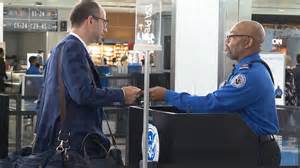
Despite the difficulties, thousands of officers continue reporting for work each day to keep airports functioning. Federal officials and aviation leaders have repeatedly acknowledged their dedication to maintaining safety under extraordinary circumstances.
Political Pressure Intensifies as Shutdown Continues
The shutdown stems from an ongoing dispute in Congress over federal funding priorities, including disagreements related to immigration enforcement policy. Because the Department of Homeland Security relies on congressional appropriations, the agency has been partially unfunded since mid-February.
U.S. Transportation Secretary Sean Duffy recently expressed confidence that a resolution could eventually be reached, stating that lawmakers would ultimately come together to restore funding. At the same time, the debate has intensified as political leaders continue to clash over policy priorities.
President Donald Trump also weighed in publicly, thanking federal employees who have remained on duty during the shutdown and encouraging them to continue supporting national security operations.
Meanwhile, federal prosecutors and airport authorities have stressed that maintaining safety remains a top priority during the disruption. Officials have warned that aggressive behavior toward security personnel will not be tolerated, particularly after an incident in which a passenger assaulted both a TSA officer and a police officer during an identity verification dispute.
Airlines Push for Long-Term Protection of Aviation Security
For the aviation industry, the current crisis highlights the vulnerability of the national air travel system to political stalemates. Airlines argue that essential aviation functions—including passenger screening and air traffic management—should be insulated from government shutdowns.
The CEOs behind the letter believe that allowing critical transportation infrastructure to operate without financial stability places both travelers and the broader economy at risk. Aviation remains a cornerstone of American commerce, supporting millions of jobs and enabling the movement of people and goods across the country.
As lawmakers continue negotiations, airline leaders are urging swift action. With travel demand climbing and security staffing under strain, the message from the aviation sector is clear: restoring funding for the Department of Homeland Security is not only a political necessity but a critical step toward maintaining the safety and reliability of the nation’s air transportation network.