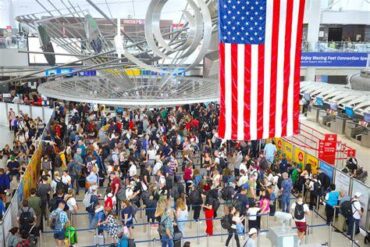
Spring Break travel across the United States is once again colliding with political gridlock, placing airport security operations in a fragile position. A lapse in funding for the Department of Homeland Security threatens to force roughly 50,000 Transportation Security Administration officers to continue working without pay just as passenger volumes begin their seasonal surge. The timing is brutal: families finalize vacations, students book last-minute flights, and airports brace for one of the busiest travel windows of the year.
The partial shutdown affecting DHS does not mirror the full federal shutdowns of the past, yet its impact on aviation is immediate and personal. TSA officers are classified as essential personnel, meaning security checkpoints remain open even when paychecks stop. This technical designation carries real-world consequences. When workers are required to show up without compensation, morale erodes, absenteeism rises, and security lines lengthen. The system doesn’t break overnight; it frays quietly, one call-out at a time, until bottlenecks become unavoidable.
Airlines and travel industry groups have warned that the operational strain will likely spill into the passenger experience. Even modest increases in unscheduled absences can cascade into longer screening times at major hubs such as Atlanta, Chicago, Los Angeles, and New York. For travelers, this translates into missed connections, tighter boarding windows, and a renewed sense of uncertainty at security checkpoints. The memory of previous shutdowns lingers in the background, when delays piled up and staffing shortages forced airlines to juggle schedules under pressure.
Why This Shutdown Hits Airports Differently Than the Last One
This funding lapse is narrower than the sweeping government shutdown that previously rattled the aviation sector. Air traffic controllers remain funded under separate appropriations, which reduces the risk of mass flight cancellations tied to tower staffing shortages. That distinction matters. Flights can depart and arrive on schedule, yet the choke point shifts to the front of the airport experience: security screening.
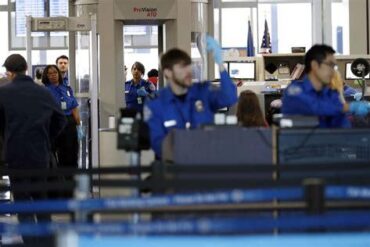
TSA’s workforce is uniquely exposed because nearly the entire frontline staff is deemed essential. Officers are expected to screen passengers, manage carry-on inspections, and maintain checkpoint security regardless of pay interruptions. The practical effect is a workforce under financial stress performing high-stakes safety work in an environment that demands focus and consistency. Even small disruptions in staffing levels can ripple across peak travel hours, especially in early mornings and late afternoons when departures cluster.
Industry leaders have been blunt about the risk. When essential staff are asked to work without pay, the likelihood of last-minute absences rises, and with it the probability of longer queues and delayed departures. The aviation ecosystem depends on finely tuned timing; security delays compress boarding windows, aircraft turnarounds slip, and airlines absorb knock-on costs that eventually surface in customer experience.
Political Deadlock and the Price of Delay
Negotiations over DHS funding stalled as lawmakers failed to reach consensus before funding expired. The dispute centers on proposed restrictions tied to federal immigration operations, with competing demands complicating a short-term extension. With Congress in recess, the clock runs while airports operate under uncertainty. Each passing day without resolution increases the operational strain on TSA and the psychological toll on workers who continue to show up without pay.
This standoff illustrates a recurring pattern in modern governance: critical infrastructure becomes collateral damage in political brinkmanship. Airports do not pause for legislative calendars. Travelers do not reschedule spring break around funding deadlines. The mismatch between political timelines and public needs turns abstract policy disagreements into concrete inconvenience for millions of people moving through the nation’s airports.
What Travelers Will Experience at the Checkpoint
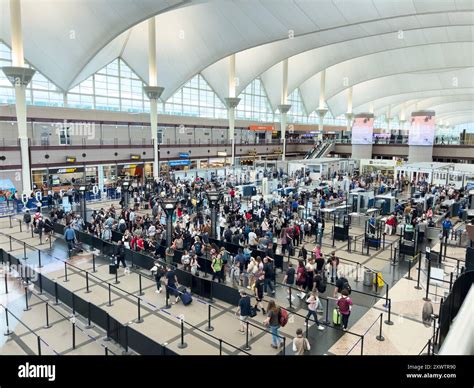
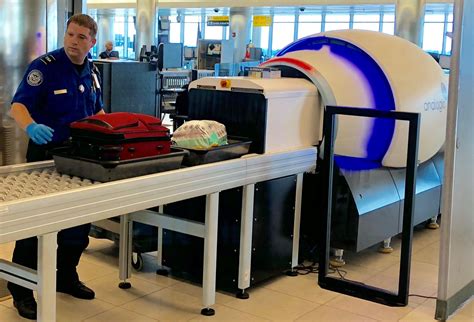
For passengers, the most visible impact appears in the line. Screening lanes may open later, close earlier, or operate with fewer officers during peak surges. Secondary screening can take longer as fewer hands manage bag checks and passenger flow. The experience becomes less predictable, which is the worst kind of friction in travel logistics.
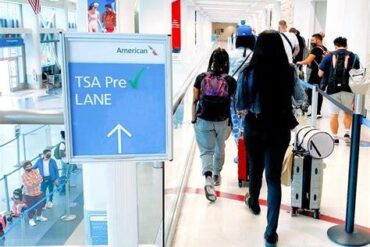
Preparation matters more under strained conditions. Arriving earlier than usual reduces stress, but so does moving through security efficiently. Organized carry-ons, accessible electronics, and minimal metal on clothing shave seconds off each screening. Those seconds compound across thousands of travelers, easing pressure on officers who are already working under extraordinary conditions. Trusted traveler programs continue to offer faster lanes for enrolled passengers, helping redistribute demand away from standard screening queues.
The Quiet Stakes for Aviation Safety and the Economy
Beyond inconvenience lies a deeper concern: sustained operational strain chips away at system resilience. TSA officers perform cognitively demanding work that requires vigilance, consistency, and emotional steadiness. Financial stress undermines all three. While security standards do not change on paper, the human systems that uphold them operate best when workers feel supported and stable.
The economic implications stretch beyond airports. Delays ripple into missed hotel check-ins, rebooked flights, and disrupted tourism revenue in destinations that rely on spring break traffic. Airlines absorb operational costs, travelers absorb time costs, and local economies absorb the uncertainty. None of this drama is glamorous, but it is costly in aggregate.
Aviation thrives on reliability. When funding lapses place essential workers in limbo, reliability erodes at the margins, then at the seams. The checkpoint becomes the visible fault line where policy stalemates meet lived experience. The machines keep humming, the planes keep flying, and the officers keep showing up—yet the system asks them to do so without the basic dignity of a paycheck. In a sector built on precision, that imbalance is a recipe for friction that no amount of optimism can smooth away.