Airports are designed for efficiency, control, and speed, yet the very systems that streamline travel can also create moments of vulnerability. Security checkpoints, particularly those operated by the TSA, represent one of the most overlooked risk zones for personal belongings. Among all items that pass through these checkpoints daily, smartphones stand out as one of the most frequently lost—or stolen—devices, often disappearing in seconds without a trace.
The numbers are more alarming than most travelers realize. Each month, between 90,000 and 100,000 items are left behind at airport security checkpoints. While not all of these are phones, a significant portion consists of high-value electronics. These devices are not just expensive—they hold personal data, financial access, and digital identities, making their loss far more damaging than simply replacing hardware.
What makes this problem particularly dangerous is how it blends seamlessly into the rhythm of travel. Passengers are often distracted, rushing between gates, juggling boarding passes, and navigating unfamiliar terminals. In this environment, placing a phone into a plastic bin becomes an almost unconscious act—one that creates a brief but critical window of opportunity.
The Perfect Storm: Distraction, Speed, and Exposure
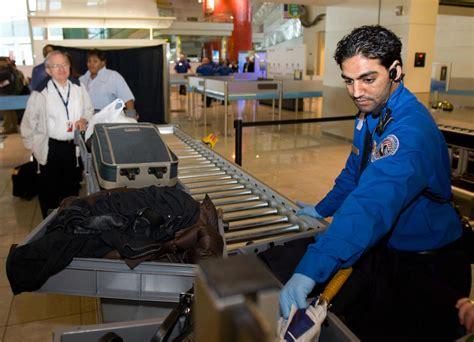
Airport security is designed to move quickly, and that pace works against travelers. The moment a phone is placed bare in a tray, it becomes exposed—not just physically, but psychologically. It is separated from its owner, moving independently along a conveyor belt where visibility is limited and attention is divided.
This is precisely why security insiders often warn that placing a phone loose in a bin is the fastest way to lose it. Whether through accidental forgetfulness or intentional theft, the outcome is the same: the device vanishes into a system that processes thousands of items per hour.

In many cases, the loss isn’t even noticed immediately. Travelers may only realize their phone is missing after boarding a flight or reaching their gate—long after the opportunity to recover it has passed. By then, the device could already be in someone else’s possession or mixed into a backlog of unclaimed items.
How Theft Happens in Plain Sight
Unlike dramatic depictions of theft, most airport incidents are quiet, subtle, and opportunistic. A phone left unattended for even a few seconds can be easily picked up, especially during peak travel hours when agents are focused on throughput rather than individual items.
There are two primary scenarios where phones disappear:
- Unintentional abandonment, where travelers simply forget their devices in bins
- Opportunistic theft, where someone takes advantage of the brief separation
Both scenarios are fueled by the same underlying factor: lack of immediate control over personal belongings.
Interestingly, even experienced travelers are not immune. Frequent flyers, accustomed to routine, are often the ones operating on autopilot—making them just as susceptible to small but costly mistakes.
Smart Prevention: Simple Habits That Work
Protecting a phone at airport security does not require advanced tools or expensive accessories. The most effective strategies are surprisingly simple, rooted in awareness and intentional behavior.
The single most reliable method is to store your phone inside a zipped compartment of your bag before it reaches the scanner. This creates a physical barrier that discourages tampering and keeps the device within your controlled belongings.
Another highly effective approach involves sequencing your trays strategically. By placing less valuable items first—such as jackets or scarves—you buy yourself time. Your electronics should go through last, ensuring you are already positioned at the exit when they emerge.
This deliberate order minimizes the gap between when your phone enters the scanner and when you retrieve it, effectively reducing exposure time.
What to Do If Your Phone Disappears
Even with precautions, incidents can still occur. When they do, speed becomes critical. The first step is to immediately notify a nearby security officer. Acting quickly increases the chances of locating the device before it leaves the checkpoint area.
If the phone isn’t recovered on the spot, the next step is to file a claim. Lost items are typically held for at least 30 days, giving travelers a window to retrieve them. However, unclaimed devices may eventually be wiped or destroyed to protect sensitive data, making early action essential.
It’s also worth noting that recovery processes can take time. Travelers often receive confirmation or acknowledgment several weeks after submitting a claim, so persistence and documentation are key.
Why Awareness Is Your Strongest Defense
Airport security is built to protect passengers from external threats, but it cannot fully eliminate human error or opportunistic behavior. That responsibility ultimately falls on the traveler.
The difference between keeping and losing your phone often comes down to a few seconds of attention. A zipped pocket, a deliberate tray order, or simply maintaining visual contact with your belongings can dramatically reduce risk.
In a space where thousands of items move every hour, your phone is just another object—unless you actively ensure it isn’t.