Modern air travel is an intricate web of coordination, communication, and split-second decisions. While passengers are often fixated on their in-flight entertainment or the logistics of reaching their destination, an entire operational framework unfolds quietly behind the cabin curtain. One of the most crucial tools in this invisible operation is the onboard telephone system used by flight attendants. These phones aren’t just a convenience—they are a vital lifeline that keeps the aircraft operating smoothly, safely, and in coordination with both cockpit and cabin crews.
Flight attendants rely on these aircraft-specific communication systems to perform a wide array of duties, most of which passengers will never see. From routine updates to emergency alerts, the interphone system plays a key role in ensuring that everything on board runs like clockwork.
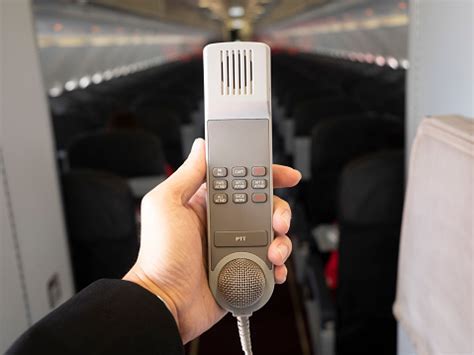
The Role of In-Flight Interphone Systems
The interphone system, also referred to as the cabin intercom, is an integrated wired communication setup installed across the aircraft. Unlike mobile phones, these are hardwired systems placed at strategic locations: the forward and aft galleys, near jumpseats, and occasionally mid-cabin. These phones allow:
- Direct communication with the cockpit: In case of turbulence, passenger issues, or cabin irregularities, flight attendants can immediately alert pilots.
- Crew-to-crew coordination: Whether it’s syncing service flow, managing unruly passengers, or confirming safety procedures, the interphone provides a seamless way for flight attendants to connect across the cabin.
- Public address (PA) capabilities: These phones connect to the aircraft’s PA system, allowing flight attendants to make announcements. If the flight crew needs to address passengers urgently, their input overrides all other audio streams.
This layered approach to communication ensures that critical information takes precedence over non-essential content. When a flight attendant or pilot picks up the handset, any background music, movies, or automated messages are silenced instantly.
Behind the Scenes: Safety First, Always
Every time a flight attendant picks up the handset, they tap into a system designed with redundancy and safety in mind. While passengers may think the crew is simply announcing meal services or weather updates, many communications over the interphone involve real-time decisions about flight safety.
Should there be signs of smoke, suspected tampering, medical emergencies, or even sudden passenger behavior shifts, the interphone becomes the first point of escalation. It allows flight attendants to notify the cockpit discreetly and promptly. The importance of this cannot be overstated—time is of the essence in the air, and these systems were engineered to facilitate rapid response.
In less urgent scenarios, the interphone helps flight attendants stay synchronized during service. Whether it’s requesting additional meals from another galley, confirming cabin checks, or simply staying in sync, the system ensures uninterrupted operations.
The Evolution Toward Wireless Cabin Communication

Aircraft manufacturers and airline operators are embracing the next step in this technology: wireless interphone systems. These emerging systems allow cabin crew to communicate hands-free and move freely while remaining in touch with other stations and the cockpit.
Wireless technology offers several advantages:
- Weight reduction: By removing heavy wiring infrastructure, aircraft can reduce fuel consumption over time.
- Ease of retrofitting: Wireless units can be installed with minimal modifications to older airframes.
- Improved safety during turbulence: Crew members remain connected even when walking or bracing, enhancing their ability to respond to incidents quickly.
Airbus, Boeing, and other OEMs are exploring modular upgrades to integrate wireless intercoms as standard, especially in next-generation cabin systems. As more airlines modernize their fleets, we are seeing a gradual but persistent shift toward this more flexible and agile form of communication.
The Obsolete Airfone: When Passengers Had Their Own Phones
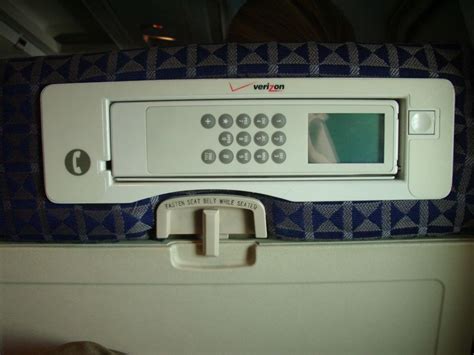
Before smartphones and onboard Wi-Fi, there was Airfone. Developed in the 1980s and offered on major airlines like United and American, Airfone allowed passengers to make calls mid-flight using a seatback-mounted handset and a credit card.
While it seemed revolutionary at the time, the technology came with significant limitations:
- High costs: Calls were priced per minute and quickly added up to hefty fees.
- Poor signal quality: The system relied on air-to-ground towers that often provided weak or intermittent signals, particularly at high altitudes or over oceans.
- Limited use cases: Because of the expense, most passengers avoided using the service except for emergencies or business-critical updates.
Eventually, the rise of mobile phones and more affordable satellite-based internet rendered Airfone obsolete. By the early 2010s, the service was phased out in favor of inflight Wi-Fi networks and app-based messaging systems like WhatsApp and iMessage that use less bandwidth.
While passenger communication evolved rapidly, crew communications remained a closed-loop system for good reason: safety, control, and prioritization.
Hierarchy of Inflight Audio Systems
One critical design feature of the cabin communication system is its priority structure, which dictates which audio source takes precedence when multiple channels are active. The hierarchy is as follows:
- Flight deck (cockpit): The pilot’s announcements will always override any other sounds.
- Flight attendant interphone: Next in line, these announcements interrupt all recorded audio.
- Automated announcements: Pre-recorded messages, boarding music, or inflight entertainment soundtracks rank lowest in the priority list.
This structure ensures that important messages cut through distractions, especially in emergencies. For example, if there’s a sudden cabin depressurization or fire warning, the pilot or lead flight attendant can reach all passengers in seconds without navigating any menus or systems.
Technology That Passengers Never See—but Always Depend On
Passengers may never notice when a flight attendant quietly picks up the handset in the galley or discreetly signals a colleague through the interphone. But these interactions are taking place constantly, keeping the cabin running like a finely tuned machine. From coordinating galley inventory to confirming turbulence updates and medical protocols, these phones serve as the neural network of the aircraft’s interior ecosystem.
The interphone system has evolved to fit the demands of modern air travel, adapting to newer aircraft designs, security protocols, and operational changes. In newer aircraft, these phones are sometimes integrated with touchscreen interfaces, crew tablets, and advanced configuration tools. Still, the core function remains unchanged: uninterrupted, secure, and rapid communication.
A Future of Smarter, More Connected Cabins
As aviation embraces smart technology, future aircraft are likely to feature fully digitalized crew communication platforms. These systems may integrate the interphone, inflight service tools, safety alerts, and aircraft health monitoring into a single dashboard accessible by the crew.
For example, AI-based cabin monitoring tools could alert a flight attendant about a passenger in distress or an unlatched overhead bin. That alert would then be relayed directly through the communication system. The response time would be immediate and data-logged, ensuring compliance and speed.
Some concepts even propose linking cabin crew devices with ground-based operations, allowing real-time updates between airline operations centers and airborne staff. From last-minute gate changes to inflight rerouting, this two-way intelligent communication system will redefine how decisions are made and actions are taken inside the cabin.
Conclusion: The Hidden Backbone of Flight Safety
Phones for flight attendants are more than just relics of a pre-smartphone era—they are mission-critical tools designed for security, coordination, and responsiveness. As aircraft become smarter, more efficient, and increasingly reliant on integrated systems, the interphone will evolve—but its purpose will remain the same: protecting the passengers and enabling flawless cabin management.
While passengers text, stream, or sleep, the crew is constantly communicating—through a network of quiet, purposeful, and essential calls—making sure every flight lands safely. The next time a flight attendant quietly speaks into the phone, it’s worth remembering: you’re hearing the sound of a safety system doing its job.