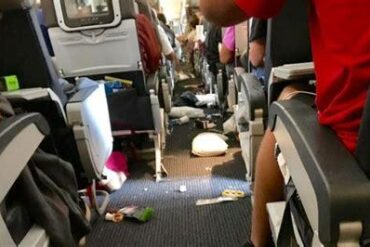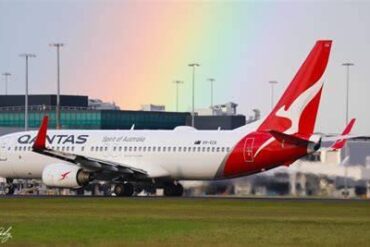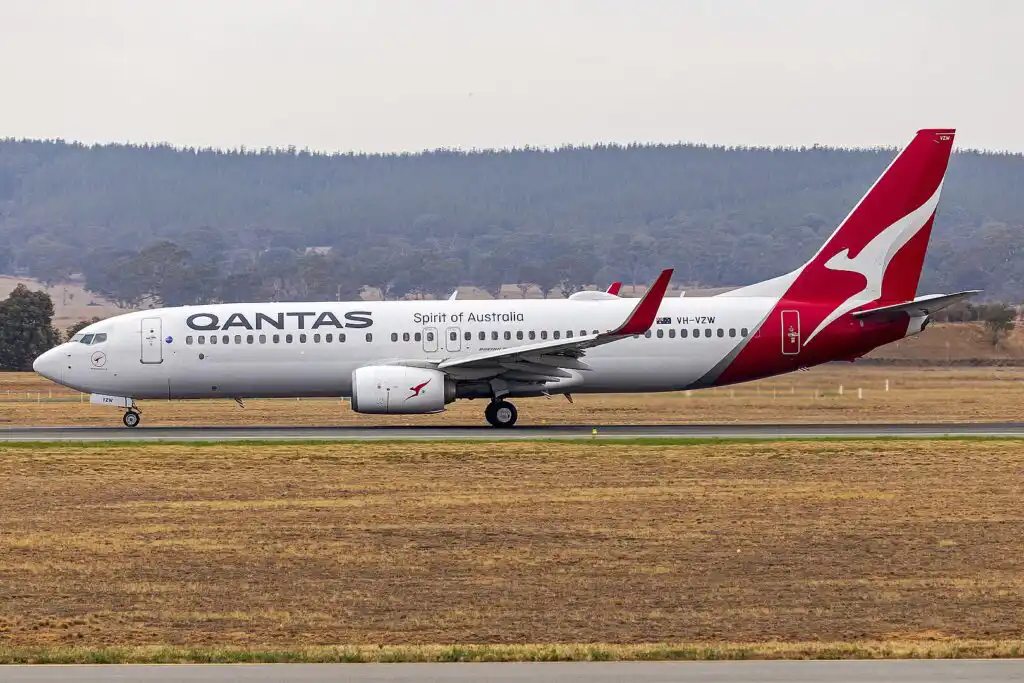
On May 4, 2024, a routine Qantas Boeing 737 flight from Sydney to Brisbane turned into a safety crisis after the aircraft encountered severe and unexpected turbulence during descent, resulting in three injured cabin crew members, including one with a fractured ankle. The event, now formally investigated by the Australian Transport Safety Bureau (ATSB), has exposed serious communication breakdowns and procedural flaws that elevated in-flight and landing risks for both passengers and crew.
Turbulence Strikes at 11,400 Feet: Injuries and Chaos
The turbulence occurred as Qantas Flight QF624 was descending through cloud cover at approximately 11,400 feet, just one minute after the seatbelt signs were activated. Although the pilots had anticipated only mild turbulence, they failed to communicate any expectations or warnings to the cabin crew.
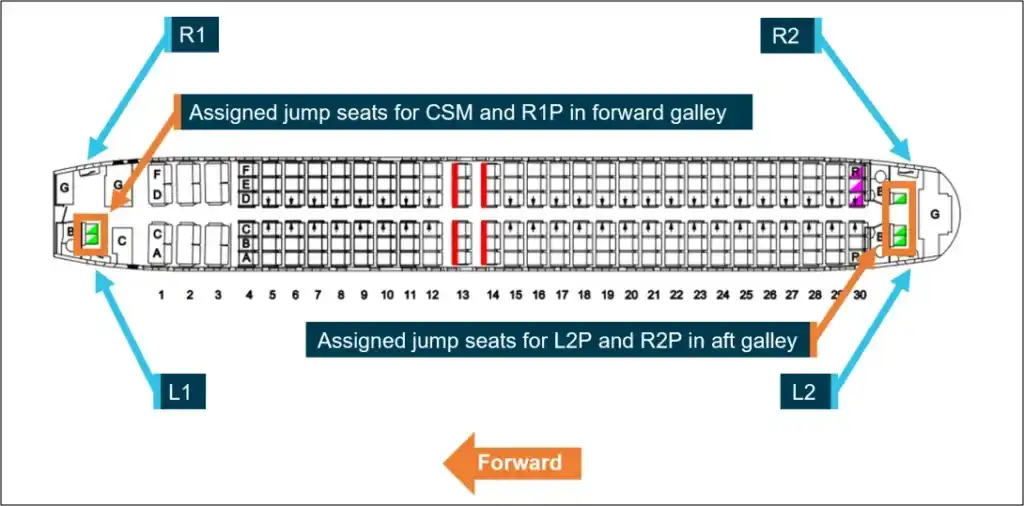
When the aircraft abruptly jolted, three of the four cabin crew members were unrestrained and performing their routine pre-landing checks. The sudden shift in altitude and pressure sent them sprawling. Two crew members sustained facial trauma and concussion, while the third, positioned in the rear galley, suffered a fractured ankle and remained immobile on the floor for the rest of the flight.
Breakdown in Flight-Cabin Coordination
The ATSB report found that the captain had no knowledge of the injured crew’s condition during the descent or the fact that the cabin was not secured for landing. Despite issuing two directives for all crew to take their jump seats, four individuals remained unrestrained: two cabin crew members (including the customer service manager), one off-duty crew member, and one passenger doctor who had voluntarily assisted the injured.
This scenario was a direct violation of Qantas’ standard operating procedures, which mandate the customer service manager (CSM) to inform the flight crew of any impediment to cabin readiness. In this case, the CSM failed to communicate the situation, leaving the captain under the impression that the cabin had been fully secured.
Cabin Secured Assumption Led to Compromised Landing
Qantas landing protocol depends heavily on real-time verification of cabin readiness, particularly in turbulent conditions. Without confirmation of the cabin’s status, the pilot proceeded with landing, unaware of the ongoing emergency in the rear galley. The lack of communication between the cabin and cockpit created a scenario of increased risk, especially during a critical flight phase such as final approach and touchdown.
Elevated Risk of Emergency During Final Approach
According to Dr. Stuart Godley, Director of Transport Safety at the ATSB, the incident “exposed an acute operational vulnerability.” Had an evacuation been necessary during landing, the unrestrained individuals, particularly the immobile crew member, would have been at elevated risk of additional injury and impeded emergency response.
The lack of immediate situational awareness between flight crew and cabin staff not only delayed appropriate medical responses post-landing but also compromised the crew’s ability to perform essential safety duties.
Post-Landing Medical Response Failures
The most severely injured crew member received medical attention upon arrival at Brisbane Airport, transported via ambulance. However, the remaining two injured crew did not receive medical assessments at the scene. One of them, dealing with facial injuries, self-diagnosed the trauma a day later. The second, suffering from concussion symptoms, continued to operate multiple flights without recognising their neurological impairment.
It was only days after the incident that the second injured crew member received a formal diagnosis. This delay in medical attention revealed critical flaws in Qantas’ crew health monitoring protocols, especially following high-impact in-flight incidents.
Qantas Revises Post-Incident Procedures
In the wake of the incident, Qantas has implemented key changes to close the operational gaps exposed by the ATSB investigation:
- A revised post-incident health protocol now mandates that all crew injuries or suspected health issues must trigger immediate consultation with the airline’s on-call doctor.
- No injured crew member may return to active duty without medical clearance, including neurological evaluations in cases of head trauma or suspected concussion.
- Enhanced fitness-for-duty evaluations are now required after turbulence or unplanned aircraft movements, whether or not immediate symptoms are apparent.
These measures aim to prevent future scenarios in which compromised crew members continue flying, potentially jeopardising onboard safety and health.
Communication Gaps Still a Broad Industry Issue
The Qantas incident underscores a broader systemic issue in commercial aviation. ATSB data indicates that 80% of turbulence-related injuries affect cabin crew, most frequently during periods of cabin preparation for landing. These injuries are often exacerbated by a lack of timely communication from the flight deck about upcoming weather or descent-related changes.
While pre-flight briefings cover expected turbulence and landing strategies, the incident illustrates the importance of dynamic, ongoing communication throughout the flight. Relying solely on seatbelt signs, without verbal or procedural context, leaves cabin crew vulnerable during critical operational windows.
Industry Must Learn from ATSB’s Findings
The Qantas case presents a wake-up call to airlines across the globe. The failure to communicate turbulence risk, the decision to proceed with landing despite cabin uncertainty, and the lack of post-incident medical checks highlight the multi-layered vulnerabilities that can arise from complacency in routine operations.
Dr. Godley emphasised that communication lapses, “especially during high workload phases like descent and landing, can escalate routine turbulence into a full-blown safety emergency.”
Strengthening the Safety Chain
This incident reaffirms the safety chain concept in aviation: when one link fails—such as communication—the entire system is at risk. For airlines, regulators, and crews, it’s essential to:
- Treat turbulence risk seriously at all altitudes and during all descent phases.
- Maintain multi-channel communication protocols that require confirmation, not assumption.
- Prioritise medical fitness and immediate assessment after any significant in-flight incident.
Conclusion: A Preventable Injury Event
The Qantas turbulence incident was not an unavoidable act of nature, but a preventable operational failure magnified by human error and communication breakdowns. Three injuries, one of them serious, occurred not due to unprecedented weather, but due to missed warnings, procedural shortcuts, and misaligned assumptions between cockpit and cabin.
ATSB’s report now serves as both a diagnosis and a warning. For Qantas and the aviation sector at large, the response must go beyond policy updates and address the cultural and training gaps that allow such incidents to occur. The lesson is stark: routine must never override safety, and every phase of flight must be anchored by clear, accountable communication.