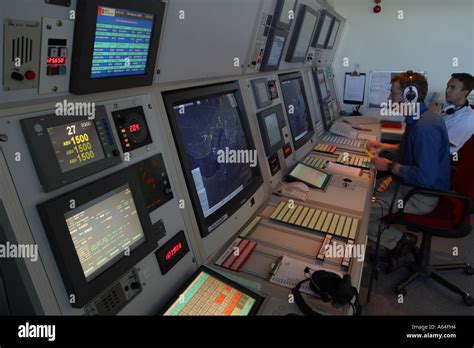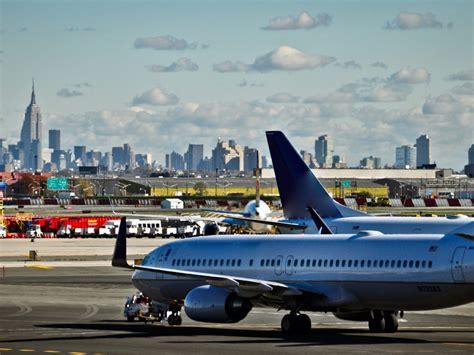
In recent weeks, the aviation industry has been grappling with an alarming issue at one of the busiest air hubs in the United States: Newark Liberty International Airport. A series of communication breakdowns between air traffic controllers and pilots have raised serious concerns about the safety and efficiency of air traffic management at this critical juncture. On April 28, controllers in Area C of the Philadelphia TRACON, the facility that oversees air traffic in and out of Newark, lost all communication with pilots for a period of time that could have resulted in a catastrophic event. The incident, which is now under investigation, was far from an isolated occurrence. According to a veteran air traffic controller, the communications system at Newark has experienced similar failures on at least two other occasions since August, with controllers losing contact with pilots on at least eight or nine other occasions in recent months.
The most recent breakdown, which occurred last week, has drawn widespread attention and criticism, as it highlights a systemic issue that has yet to be resolved. During the breakdown, radar and radio communication with pilots were lost, leaving air traffic controllers in the dark and scrambling to maintain control over the busy airspace. According to the whistleblower controller, the situation was dire. ‘We lost all radios! No backups!’ the controller recounted, describing a chaotic and terrifying moment where the very systems designed to ensure safety were rendered useless. It was a ‘cone of silence,’ the controller said, as they could not hear any of the planes or communicate with the pilots.
The Critical Breakdown of Communication
The severity of the situation became evident when the systems went completely offline, with no backup options available. In an environment where lives depend on flawless communication and coordination, the loss of radio contact between air traffic controllers and pilots for even a brief period can be catastrophic. In the case of last week’s failure, air traffic controllers in Newark lost radar contact with at least three of their four radar screens. As the situation grew more dire, controllers struggled to reestablish communication with pilots, relying on emergency procedures and backup radios that also failed to function properly.
The gravity of the situation became clear in audio recordings that were later released by LiveATC.net. These recordings captured the tense exchanges between controllers and pilots as they navigated through the crisis. In one exchange, an air traffic controller calmly informed the pilot of United Airlines Flight 2243 that they were moving the plane because ‘the approach lost all the radars,’ and that ‘three of the four radar screens went black.’ The pilot, in a calm and collected manner, responded: ‘Alright, we’re ready to move.’ This interaction, while seemingly composed, masks the true gravity of the moment.
Controller Strain and the Rising Risk of Disaster
The whistleblower, a veteran controller familiar with the challenges of managing Newark’s airspace, painted a vivid picture of the strain controllers were under. ‘It felt like time stood still,’ they said. ‘We were trying to reach these planes, and we couldn’t.’ The terrifying reality of navigating 15 to 20 flights without clear communication or radar was a monumental challenge, and despite their professionalism, the emotional toll was evident. As the crisis unfolded, the controller revealed that the sense of panic and fear only hit after the fact. ‘The fear of panic and being scared came afterwards,’ the controller explained. ‘These planes with people, with lives in them, are flying — and no one is talking to them. They were flying in the dark.’
Aftershocks at Newark: A Persistent Crisis
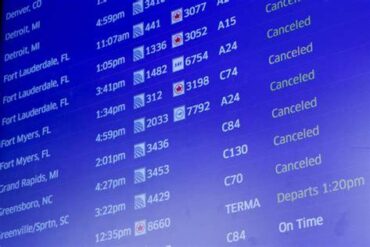
The consequences of the communications breakdown at Newark Liberty Airport are still being felt. Following the incident, air traffic controllers in the region were placed on leave for trauma-related stress, resulting in further delays and disruptions at the airport. For the ninth consecutive day after the event, passengers were faced with significant delays, with incoming flights delayed by more than four hours on Tuesday. United Airlines, a major carrier at Newark, canceled 35 daily roundtrip flights and began waiving change fees for customers wishing to reroute their flights to other airports, including LaGuardia and Philadelphia.
The FAA, which has not yet disclosed how many controllers are out on medical leave for stress, faces significant challenges in replacing the missing staff. According to the whistleblowing controller, the Newark control tower is operating with a skeleton crew, with just four experienced controllers and a trainee left to manage the volume of traffic. Efforts to bring in replacements have been complicated by the time-consuming process of training new air traffic controllers. In order to be reassigned to the Philadelphia TRACON, controllers must undergo additional training at the FAA’s air traffic control training center in Oklahoma City, followed by on-the-job training in Philadelphia. As a result, it could take years before the staffing levels are adequately addressed.
The Staffing Crisis: A Nationwide Issue
The staffing shortages at Newark are part of a broader issue facing the entire air traffic control system in the United States. The FAA has stated that there are currently 3,000 vacant positions nationwide, a gap that has only widened due to decades of underinvestment in air traffic control infrastructure. United Airlines CEO Scott Kirby has been outspoken about the chronic understaffing at the Philadelphia TRACON, noting that it has been an issue for years and warning that Newark may not be able to handle the volume of air traffic in the coming months. Kirby’s comments have sparked further debate about the adequacy of the nation’s air traffic control system, with many experts calling for urgent reform.
New Jersey Governor Phil Murphy echoed these concerns, emphasizing that the failure to modernize air traffic control systems and the lack of adequate staffing were putting the safety of air travel at risk. ‘Decades of underinvestment in the maintenance of critical air traffic control infrastructure, delays in upgrading to modern 21st-century air traffic control technology, and inadequate air traffic control staffing have resulted in a frail system nationwide,’ Murphy said.
The FAA’s Response: Improving Reliability and Safety
In response to the ongoing issues, the FAA has vowed to address the reliability of air traffic control communications, particularly in the New York City area. The agency has acknowledged the challenges posed by the outdated systems and has promised to prioritize improvements to infrastructure and staffing. However, the FAA also warned that, in the short term, delays and disruptions may persist as they work to stabilize operations and fill staffing gaps.
Transportation Secretary Sean Duffy, who was briefed on the April 28 incident, stated that no planes were in danger of crashing, but he acknowledged that the loss of communication for 90 seconds was ‘a wholly filled-up sky of planes literally flying blind over one of America’s busiest airports.’ While the incident could have led to a tragedy, Duffy emphasized that the aviation community was fortunate that nothing catastrophic occurred.
What Needs to Be Done: Urgency in Reform
As Newark’s air traffic controllers struggle to keep pace with a growing volume of flights and deal with the ongoing challenges posed by inadequate staffing and aging technology, it is clear that immediate action is necessary. The FAA’s commitment to addressing these issues is crucial, but more needs to be done to ensure the safety and efficiency of the nation’s air traffic control system. As Senator Chuck Schumer of New York warned, ‘Thank God nothing happened, but we tempt fate if no changes are made.’ It is imperative that the necessary reforms, including increased staffing, modernized equipment, and more investment in infrastructure, be implemented to prevent future disasters and ensure the continued safety of air travel.