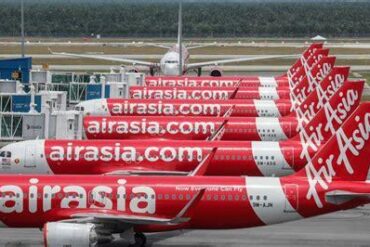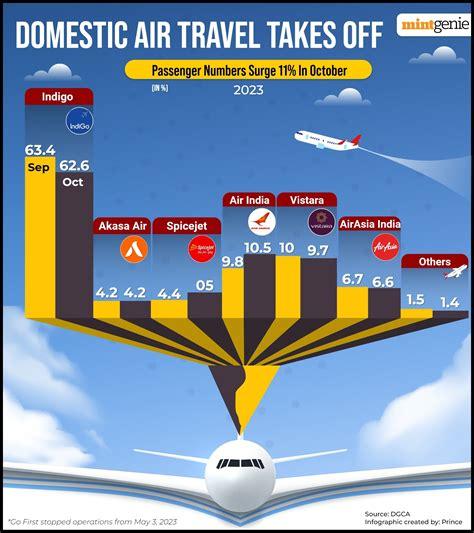
In May 2025, a remarkable resurgence in international passenger traffic was reported across Asia-Pacific airlines, primarily fueled by an increasing demand for leisure travel. According to preliminary data from the Association of Asia Pacific Airlines (AAPA), these carriers collectively transported 31.2 million passengers, reflecting a significant 10.4% increase compared to the same month in the previous year. This surge not only highlights a robust recovery in the aviation sector but also underscores the rising interest in regional travel and tourism as restrictions continue to ease.
The impressive performance of Asia-Pacific airlines can be attributed to a combination of factors, including strong consumer demand and effective capacity management. In May, the region’s airlines witnessed an 11.3% increase in revenue passenger kilometers (RPK), outpacing a 9.5% rise in available seat capacity. Consequently, the average international passenger load factor improved by 1.3 percentage points, reaching an occupancy rate of 80.7%. These statistics illustrate that airlines are not only meeting the growing demand for air travel but are also achieving high operational efficiency.
The Driving Force Behind the Growth: Leisure Travel
At the heart of this growth lies a strong rebound in leisure travel. As tourists eagerly return to popular destinations throughout Asia-Pacific, airlines have seen a marked increase in bookings. Destinations such as Japan, China, and various Southeast Asian countries have experienced a surge in travelers, eager to explore cultural landmarks, natural wonders, and culinary delights. This renewed enthusiasm for travel is a testament to the resilience of the tourism market in the region.

The trend is not limited to leisure travelers alone; business travel has also played a role in the uptick of demand as companies resume their international operations. The burgeoning tourism scene has resulted in increased flight bookings, highlighting the growing popularity of routes servicing Southeast Asia and Japan. This dynamic interplay between leisure and business travel illustrates the vital impact that tourism has on the aviation sector, further solidifying the region’s recovery in the global market.
Year-to-Date Growth: A Positive Outlook
The upward trajectory for Asia-Pacific airlines did not stop in May; it continued through the first five months of 2025. During this period, carriers transported 158 million international passengers, marking a 12% increase compared to the same timeframe in 2024. This growth not only signals a recovery from the pandemic’s impact but also reflects the sustained strength of the Asia-Pacific aviation market.
Industry leaders, including AAPA Director General Mr. Subhas Menon, attribute this growth to robust demand for both leisure and business travel within the region. He emphasized that airlines have adeptly adapted to the shifting landscape, leveraging improved air connectivity and effective capacity management to meet the rising demand. The data paints an optimistic picture for the aviation industry, as experts anticipate that airline performance will remain strong throughout the year.
Challenges Facing the Aviation Sector
Despite the positive news surrounding Asia-Pacific airlines, the sector is not without its challenges. Geopolitical tensions, particularly those stemming from ongoing conflicts in the Middle East, pose potential threats that could lead to fluctuations in fuel prices and disruptions in airspace. Such factors may create obstacles for airlines, impacting their operational costs and flight scheduling.
Moreover, the rise in airspace closures in conflict zones presents additional challenges. Airlines may face longer flight times and increased fuel consumption due to these restrictions. Nonetheless, there is a prevailing sense of optimism regarding the ability of Asia-Pacific airlines to navigate these challenges. The region’s carriers have demonstrated resilience in the face of adversity, often adapting their routes and operations to accommodate shifting geopolitical dynamics.
The strong economic foundations across various Asia-Pacific countries also provide critical support for the aviation industry as it navigates these uncertainties. With solid economic growth, many nations in the region are well-positioned to bolster their tourism sectors, further benefiting airlines operating in these markets.
Looking Ahead: Sustained Growth on the Horizon
The outlook for Asia-Pacific airlines remains bright, with sustained demand for both leisure and business travel anticipated in the coming months. Improving air connectivity and expanding routes will be essential factors in maintaining this growth. Even amid geopolitical challenges and potential disruptions, the region’s airlines are expected to continue thriving into the second half of 2025.
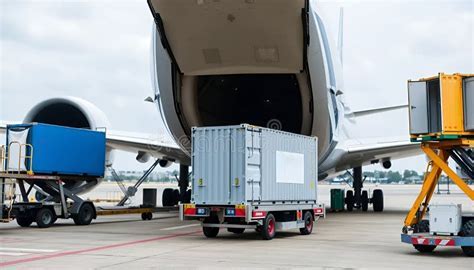
As the importance of air cargo and international freight grows, airlines in the region stand to benefit from an increasing demand for shipping goods globally. The recent 4.5% increase in air cargo volumes in May 2025 further underscores the aviation industry’s pivotal role in global trade.
In conclusion, the latest developments in the Asia-Pacific aviation sector highlight a dynamic and resilient industry. The surge in passenger traffic, primarily driven by the growing interest in leisure travel and regional tourism, showcases how effectively airlines are responding to rising demand. By managing capacity and optimizing performance, Asia-Pacific airlines are well-positioned for sustained success, supported by strong regional economies and an ever-increasing international appetite for travel and cargo services. As the industry continues its recovery, the prospects for Asia-Pacific airlines look promising, signaling a bright future for air travel in this vibrant region.