Government Policies Fueling Growth
The Malaysian government has implemented several strategic measures aimed at enhancing its appeal as a tourist destination. One of the most notable initiatives is the extension of visa exemptions for travelers from China and India. By granting visa-free entry to Chinese tourists for an additional five years, with the possibility of extending this arrangement until 2036, Malaysia is strengthening its relationship with one of its largest tourism markets. Similarly, the visa-free entry policy for Indian travelers has been extended until 2026, which signals the country’s dedication to making travel more accessible to diverse international visitors. These policies are not merely administrative; they reflect a broader strategy to cultivate goodwill and foster tourism growth from key markets.
Diverse Attractions and Unique Offerings
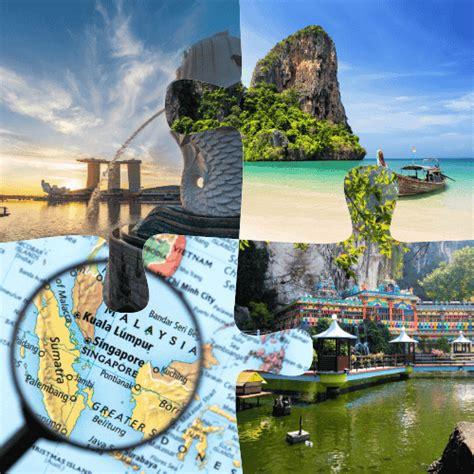
Malaysia’s allure lies in its rich tapestry of attractions that cater to a wide variety of interests. From breathtaking natural landscapes to bustling urban centers, the country presents a well-rounded experience that is hard to resist. Cities like Kuala Lumpur offer a seamless blend of modernity and tradition, showcasing high-end shopping malls, fine dining experiences, and cultural landmarks that celebrate the country’s multicultural heritage. Tourists can explore iconic sites such as the Petronas Twin Towers, the Batu Caves, and various art galleries that reflect Malaysia’s vibrant arts scene.
Moreover, Malaysia is renowned for its stunning natural beauty, with attractions ranging from pristine beaches to lush rainforests. The country boasts numerous eco-tourism spots, including wildlife sanctuaries and diving destinations, making it a haven for eco-conscious travelers. The combination of urban sophistication and unspoiled nature positions Malaysia as a versatile destination that appeals to both leisure and adventure seekers.
A Competitive Edge in the Southeast Asian Market
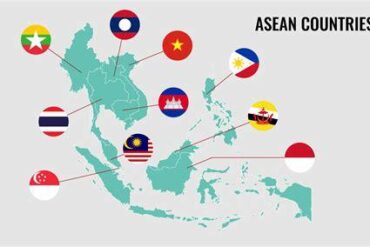
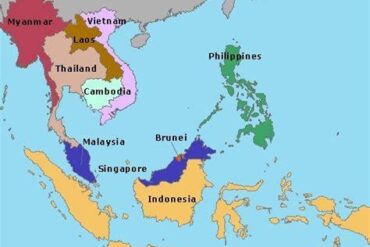
While Thailand has historically dominated Southeast Asia’s tourism rankings, recent statistics reveal a shift in this trend. In the first quarter of 2025, Thailand recorded 9.55 million arrivals, followed closely by Vietnam with 6 million visitors and Singapore at 4.31 million arrivals. In stark contrast, Malaysia consistently attracts millions of tourists, emerging as a dominant force within the region. In just the first few months of 2025, Malaysia welcomed over 4.9 million tourists, with Singapore serving as the largest source of international travelers. Notably, the influx from neighboring countries like China and Indonesia further underscores Malaysia’s growing appeal.
Sustainable Tourism Practices
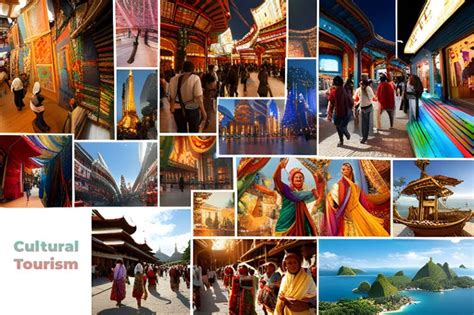
In an era where sustainability is paramount, Malaysia is actively promoting sustainable tourism as a cornerstone of its travel industry. The country’s efforts to integrate cultural experiences with eco-friendly practices resonate well with modern travelers who prioritize sustainability. With an emphasis on preserving natural habitats and promoting local cultures, Malaysia offers travelers opportunities to engage with the environment and communities in meaningful ways. Cultural festivals, traditional performances, and heritage sites provide enriching experiences that connect visitors to the rich traditions of Malaysia’s diverse population.
Infrastructure Development and Visitor Services
To support its booming tourism sector, the Malaysian government is heavily investing in infrastructure improvements and visitor services. These enhancements are designed to elevate the overall tourist experience, ensuring that Malaysia remains an attractive destination for both leisure and business travelers. The country’s commitment to developing world-class facilities for international conferences and corporate events is also noteworthy, positioning Malaysia as a leading hub for global travel. With each passing year, the continuous upgrades to transportation systems, accommodations, and tourist services reinforce Malaysia’s status as a must-visit destination.
Recognition and Global Appeal
Malaysia’s efforts have not gone unnoticed on the global stage. Recently, it was named the “Most Loved Country in Asia for 2024” by Insider Monkey, a U.S.-based financial website. This accolade highlights Malaysia’s picturesque beaches, cosmopolitan cities, and rich cultural experiences, all of which contribute to its widespread appeal. The friendly and welcoming nature of the Malaysian people enhances the overall experience for international tourists, creating an inviting atmosphere that encourages repeat visits.
Conclusion: A Bright Future for Malaysian Tourism
As Malaysia’s tourism boom continues to gain momentum, the country is well-positioned to maintain its leadership role in the Southeast Asian tourism landscape. With ongoing government support, strategic infrastructure development, and a commitment to delivering exceptional visitor experiences, the future of Malaysia’s tourism sector looks exceptionally bright. Whether drawn by the country’s rich cultural heritage, breathtaking landscapes, or dynamic urban centers, travelers will find that Malaysia offers a unique and captivating experience that caters to all interests. As it welcomes an ever-growing number of visitors, Malaysia firmly establishes itself as a must-visit destination in one of the world’s most vibrant regions.