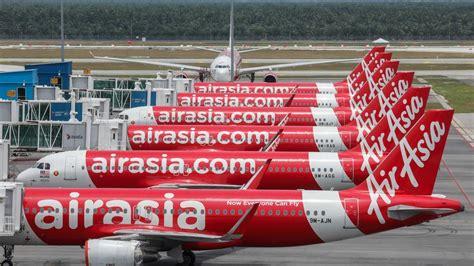
The battle for supremacy among Southeast Asia’s budget airlines has reached unprecedented heights, with carriers racing to expand their fleets while grappling with rising operational costs and intense competition. This fierce rivalry was recently underscored by the high-profile collapse of Jetstar Asia, a subsidiary of Qantas Airways, which announced its closure due to mounting losses in a saturated market. As airlines scramble to dominate this burgeoning sector, the dynamics of the region’s aviation landscape are rapidly evolving.
In recent years, low-cost carriers (LCCs) have surged across Southeast Asia, a trend fueled by increasing disposable incomes and an influx of tourists, particularly from China. The future of air travel in this region looks exceptionally promising, with projections indicating that air traffic will grow faster than in other parts of the globe over the next few decades. Airlines such as Vietnam’s VietJet Aviation and Malaysia’s AirAsia are strategically positioning themselves to capitalize on this opportunity by aggressively ramping up fleet acquisitions and expanding their market presence. Their substantial order books reflect a clear ambition to capture a larger share of the increasing demand for affordable air travel.
However, operating in Southeast Asia is fraught with challenges. Profit margins for airlines in this region are notoriously slimmer compared to those in other parts of the world. According to the International Air Transport Association (IATA), net profit margins for Asia-Pacific airlines are projected at just 1.9% this year, significantly below the global average of 3.7%. This stark difference highlights the financial pressures that airlines face in a highly competitive environment.
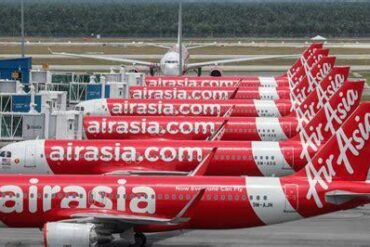
As the competition intensifies, ticket prices are being driven down, much to the delight of price-sensitive travelers. Recent data from ForwardKeys indicates that international airfares in Asia fell by 12% in 2024 compared to the previous year. AirAsia, the region’s largest budget carrier, reported a 9% drop in average airfares during the first quarter of 2024, attributing this decline to its expanded capacity and the benefits of lower fuel prices passed on to customers.
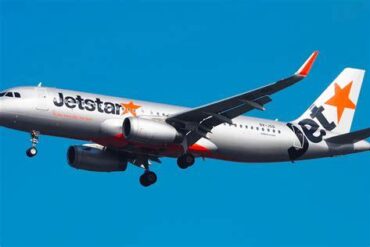
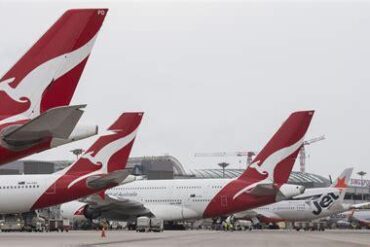
Despite the appealing lower fares, airlines are concurrently facing a slew of rising operational costs. Increased labor expenses, airport charges, and the ongoing shortage of new aircraft are contributing to heightened leasing and maintenance costs. These financial strains have led airlines like Qantas to reassess their operations within Southeast Asia. Last week, the airline announced it would shutter Jetstar Asia by the end of July, opting to redirect resources toward more profitable operations in Australia and New Zealand rather than endure continuous losses in a fiercely competitive market.
Southeast Asia is characterized by a remarkably high concentration of budget flights, a defining feature of its aviation landscape. According to the CAPA Centre for Aviation, approximately two-thirds of international seats within Southeast Asia this year are operated by low-cost carriers, a stark contrast to just one-third of international seats globally. While this prevalence of budget airlines has benefitted travelers through lower fares and increased accessibility, the region’s budget carriers now find themselves wrestling with the growing challenges posed by rising operational costs and relentless competition.
Jetstar Asia, operating only 13 aircraft, was significantly smaller than its competitors. In contrast, budget rivals such as Singapore Airlines’ low-cost arm, Scoot, operate 53 planes, while AirAsia and VietJet boast fleets of 225 and 117 aircraft, respectively, including their Thai subsidiaries. Another key player in the Philippines, Cebu Pacific, operates 99 aircraft. These carriers are not resting on their laurels; they are in the midst of ambitious expansion plans, intending to add even more planes to their fleets in the coming years.
A noteworthy development in the region is VietJet’s recent announcement of a provisional deal at the Paris Airshow to purchase up to 150 additional single-aisle Airbus planes. This strategic move underscores VietJet’s aggressive expansion strategy as it aims to solidify its position in the competitive budget travel market of Southeast Asia. The deal reflects the airline’s commitment to capturing a larger share of the expanding market and responding to the surging demand for cost-effective air travel throughout the region.
The rapid expansion of low-cost carriers in Southeast Asia presents a complex mix of challenges and opportunities. As airlines race to enhance their capacity and meet the burgeoning demand for air travel, they must deftly navigate the rising costs and fierce competition that characterize the industry. The next few years will likely witness further consolidation in the region as some carriers struggle to maintain profitability, while dominant players like VietJet and AirAsia continue to thrive through aggressive growth strategies.
For now, the battle for market share remains fierce, with the low-cost carrier model continuing to play a pivotal role in the aviation industry across Southeast Asia. As these airlines adapt to the evolving landscape, the outcomes of their strategies will shape the future of air travel in the region, offering both challenges and opportunities for growth.

As we observe the unfolding saga of budget airlines in Southeast Asia, it becomes evident that their adaptability and innovative strategies will determine their survival in this highly competitive arena. The ripple effects of Jetstar Asia’s closure serve as a cautionary tale for other airlines, highlighting the need for robust business models that can withstand external pressures. Ultimately, the ongoing evolution of the budget airline market in Southeast Asia will continue to captivate travelers, industry analysts, and stakeholders alike.