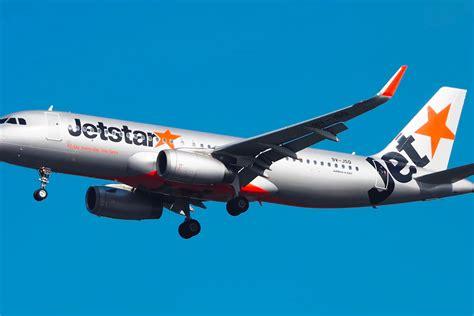
In a remarkable demonstration of solidarity and strategic foresight, Singapore, Australia, and New Zealand are spearheading a robust recovery in the aviation sector following the distressing collapse of Jetstar Asia. This concerted effort aims to not only stabilize the regional aviation landscape but also to preserve vital human resources and operational capabilities that are crucial for future growth. The recent developments signal a transformative moment for the aviation industry in this region, showcasing how collaboration and innovative workforce integration can mitigate the impacts of a crisis.
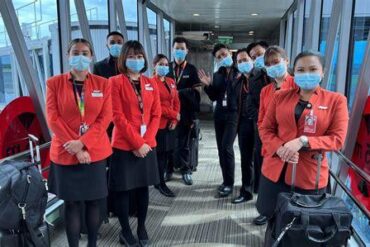
As Jetstar Asia prepares to wind down its operations, Singapore Airlines has stepped up to support the hundreds of employees facing redundancy due to the airline’s closure. In a proactive move, Singapore Airlines announced the creation of approximately 300 new job opportunities specifically tailored for displaced Jetstar Asia staff. This initiative is a testament to the airline’s commitment to maintaining skilled talent within the aviation sector. Of these new roles, 100 positions are earmarked for pilots, while 200 will be designated for cabin crew, effectively redistributing the workforce across Singapore Airlines’ full-service operations and its low-cost subsidiary.
Jetstar Asia’s shutdown, anticipated to impact around 500 workers, is the culmination of ongoing financial struggles, including projected losses of $35 million in underlying earnings before interest and tax (EBIT) for the current financial year. The airline’s operational challenges have been exacerbated by fluctuating travel patterns, volatile fuel costs, and fierce competition within the low-cost airline sector. Despite efforts to recover from the pandemic’s effects, Jetstar Asia found itself unable to achieve sustainable growth and ultimately made the difficult decision to exit the market.
In light of these developments, Singapore Airlines is taking decisive action to absorb the impacted workforce. The airline has set up a dedicated application platform to facilitate swift job applications for affected employees, ensuring a seamless transition into new roles. Between June 17 and 19, Singapore Airlines will conduct in-person meetings with Jetstar Asia employees at the airline’s headquarters, providing an invaluable opportunity for direct engagement with recruiters. This structured approach not only aims to minimize disruption caused by Jetstar Asia’s exit but also reflects a broader strategic goal of preserving regional aviation talent and supporting local employment.
While Jetstar Asia will continue to operate for several weeks, progressively reducing its flight schedule until its final flight on July 31, Singapore Airlines’ rapid response underscores the importance of retaining experienced aviation professionals within the industry. By prioritizing recruitment from within the affected workforce, the airline is making a clear statement about its investment in the future of the aviation sector, reinforcing its operational capacity as travel demand continues to rebound.
In parallel with these workforce initiatives, the Qantas Group is orchestrating the transfer of 13 Airbus A320 aircraft from Jetstar Asia to Australia and New Zealand. This strategic move is designed to bolster Qantas’ low-cost operations, enhancing route flexibility and increasing competitive advantages in key domestic and regional markets. By reallocating these aircraft to areas experiencing strong demand recovery, the Qantas Group aims to improve service offerings while simultaneously creating new job opportunities for pilots and engineers.
For Singapore, the impending closure of Jetstar Asia represents a significant juncture. As a long-established aviation hub in Southeast Asia, the loss of a regional carrier could potentially disrupt passenger volumes and air traffic flows. However, with Singapore Airlines poised to absorb displaced talent and enhance its operational strength, the transition may ultimately fortify the resilience of the city-state’s aviation infrastructure.
The situation illustrates the critical role of cross-collaboration between airlines during periods of upheaval. Singapore Airlines’ swift response to Jetstar Asia’s workforce needs exemplifies a proactive approach to industry challenges. Rather than allowing experienced aviation professionals to exit the sector, the airline is actively investing in their future, thereby ensuring continuity and stability for those affected.
This development also sheds light on the growing recognition of long-term talent shortages within the aviation industry. As airlines globally grapple with the complexities of hiring and retaining qualified personnel, the strategic reallocation of trained professionals emerges as a mutually beneficial solution. Singapore Airlines not only gains access to a ready workforce but also provides affected Jetstar Asia employees with a renewed career trajectory.
Looking forward, the events surrounding Jetstar Asia’s closure underscore the paramount importance of agility, partnership, and workforce development in the recovery process of the aviation sector. With international air travel demand on an upward trajectory, it is essential for carriers to remain adaptable and forward-thinking in their approaches to securing talent and ensuring operational excellence.
Singapore, Australia, and New Zealand are leading the charge in regional aviation recovery by effectively integrating Jetstar Asia’s displaced workforce and redeploying its fleet to maintain service continuity, protect jobs, and strengthen air travel capacity in a post-crisis environment. As Jetstar Asia gears up for its final flight in late July, the response from Singapore Airlines serves as a case study in responsible industry leadership. By transforming a workforce crisis into an opportunity for expansion and support, Singapore Airlines is not only cushioning the impact of market exits but also laying a robust foundation for future growth within the aviation sector.