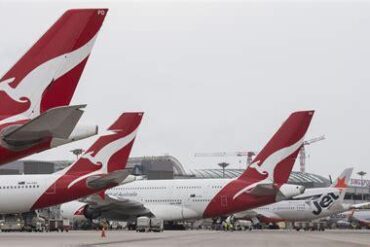
Bali, often hailed as Asia’s most beautiful island, is set to welcome an influx of international travelers as major airlines expand their flight offerings. TUI Airways, Jetstar Australia, and a prominent Chinese carrier are gearing up to introduce new routes connecting Bali with South Korea, England, and China. This significant move comes at a time when Bali is poised for record-breaking tourism numbers, reshaping the way millions will experience this tropical paradise.
The Indonesian Ministry of Tourism has confirmed that these airlines are not merely adding flights; they are paving the way for a transformative era in travel accessibility to Bali. The stunning island, renowned for its breathtaking beaches, vibrant culture, and luxurious resorts, is becoming increasingly sought after by tourists worldwide. With new direct routes opening up, the anticipation is palpable, as travelers look forward to seamless access to Bali’s treasures.
As Bali prepares for this surge in tourism, the implications of these new routes extend beyond simple geography. TUI Airways plans to connect Bali directly with South Korea, while Jetstar Australia aims to establish a first-time link between Newcastle and the island. Meanwhile, an unnamed Chinese airline is set to introduce direct flights from Sichuan, enhancing connectivity from China’s vast interior to Bali’s sun-soaked shores. These strategic additions reflect a broader trend—Bali is no longer just a destination for traditional tourist hubs; it is now a key player attracting middle-class travelers from emerging markets across Asia and Australia.

Bali’s Tourism Growth: A Look at the Numbers
The stakes are undeniably high, and the statistics reveal a compelling narrative. In 2024, Bali shattered previous records by welcoming 6.3 million foreign visitors, surpassing pre-pandemic levels. With new flights on the horizon, Indonesia is setting ambitious goals, targeting 6.5 million visitors for Bali alone in 2025. These numbers are part of a grander vision, as the Indonesian government aspires to achieve 14 to 16 million international tourist arrivals across the country in the same year. Bali is positioned as the jewel in this crown, acting as a catalyst for both economic growth and cultural diplomacy.
Infrastructure Ready for Increased Traffic
Bali’s I Gusti Ngurah Rai International Airport (DPS) is bracing for the anticipated increase in air traffic. As of June 2025, the airport already accommodates 52 airlines, including 47 international carriers, providing connections to cities throughout Asia, Australia, the Middle East, and Europe. This airport is not just a gateway but a vital lifeline for Bali’s flourishing hospitality and tourism sector. The new flights from cities such as Newcastle and Sichuan signify a paradigm shift in travel connectivity, targeting previously overlooked markets and making Bali more accessible than ever before.
Direct flights mean reduced travel times, eliminating the hassle of layovers and making spontaneous getaways a reality. For today’s experience-driven tourists, these improvements are essential, allowing them to explore Bali’s offerings without the burden of lengthy itineraries.
Global Recognition Enhances Bali’s Appeal
Bali’s allure continues to grow, bolstered by its recent accolades. In 2025, DestinAsian Magazine named Bali “Asia’s Most Beautiful Island,” a title that resonates with travelers worldwide. This recognition not only enhances Bali’s prestige but also serves as a powerful marketing tool for airlines and hotels aiming for full occupancy. The luxury sector is thriving, with upscale resorts lining the southern coast, vibrant beach clubs, and Ubud standing out as the cultural heart of the island.
Competing in the Island Paradise Arena
Despite its successes, Bali faces fierce competition from other Asian island destinations. The Travel + Leisure 2025 Luxury Awards Asia Pacific recognized Bali as the top island, outpacing notable contenders like Thailand’s Koh Samui and Vietnam’s Phu Quoc. Other popular islands such as Palawan, Phuket, Langkawi, and Siargao also vie for tourists’ attention. However, Bali’s unique blend of natural beauty, spiritual heritage, and luxurious amenities sets it apart, ensuring it remains a premier choice for vacationers.
The island’s charm extends beyond picturesque landscapes; it encompasses rich traditions, rituals, and the genuine warmth of Balinese hospitality. With new air routes being established, Bali is determined to maintain its status as a leading destination.
Economic Ripple Effects of New Flights
The introduction of new air routes will generate a significant economic ripple effect across Bali and Indonesia. Hotels are preparing for rising bookings, restaurants expect packed dining rooms, and local artisans anticipate increased sales of souvenirs. From airport ground staff to yoga retreat operators, countless Balinese livelihoods depend on the steady stream of international visitors.
Moreover, regional governments view these new routes as crucial for diversifying tourism flows beyond traditional markets. Engaging with travelers from South Korea, Australia’s secondary cities, and inland China provides a buffer against potential disruptions caused by geopolitical tensions or economic fluctuations.
Balancing Growth with Sustainability
However, the rise in tourism brings challenges that require careful management. Bali’s authorities have implemented new guidelines for tourist conduct in response to disruptive behaviors reported in recent years. The goal is to protect the island’s cultural heritage, preserve sacred sites, and ensure that Bali remains a respectful and welcoming destination.
Sustainable tourism practices have become a top priority. Bali’s environment and culture are invaluable assets that must be safeguarded as visitor numbers continue to rise. The Ministry of Tourism’s collaboration with airlines is part of a comprehensive strategy aimed at managing growth sustainably while enhancing connectivity and improving the overall quality of tourism experiences.
A Bright Future for Bali
The message is clear: Bali’s narrative is far from over. TUI Airways, Jetstar Australia, and the Chinese airline are making strategic investments in Bali’s future, and new direct flights will result in increased visitors, revenue, and opportunities for the island to showcase its unparalleled beauty.
Travelers can look forward to shorter journeys, easier access, and fresh experiences around every corner of this enchanting island. Bali is not just a destination; it is a phenomenon, and as we approach 2025, it is set to soar to even greater heights.