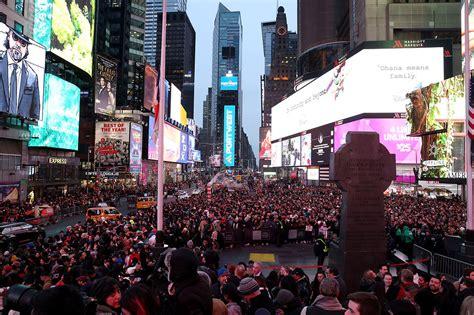
In a moment few anticipated, the United States has positioned itself at the beating heart of global football passion, turning the iconic Times Square into an epicenter of sports tourism. The catalyst? Palmeiras, the storied Brazilian football club, has transformed New York City’s most famous crossroads into a roaring, pulsating sea of green as the 2025 FIFA Club World Cup prepares for kick-off. This unexpected surge in sports tourism underscores a dramatic shift not just in how fans travel, but in how cities like New York capitalize on the emotional power of football to redefine destination marketing.
The phenomenon began as thousands of Palmeiras supporters descended upon Manhattan, their chants, drumming, and vibrant green attire weaving a spectacle beneath the glow of towering LED screens. Locals and tourists alike found themselves swept up in a scene that rivaled the city’s legendary New Year’s Eve celebrations. But unlike fireworks and ball drops, this was raw, unfiltered football fervor spilling onto the streets, signaling a profound transformation in global sports travel.
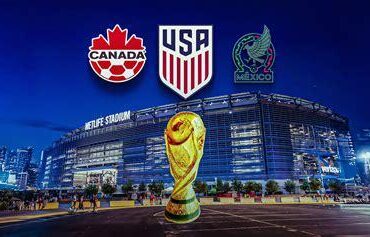
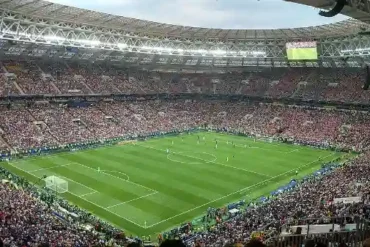
What makes this moment especially significant is that it unfolded in Times Square, miles from where Palmeiras would face Porto at New Jersey’s MetLife Stadium. The match itself wasn’t even hosted within city limits, yet New York’s magnetic pull and cultural symbolism turned it into a rallying ground for fans from across the globe. The collision of sport, culture, and tourism painted a vivid picture of how sporting events can supercharge entire cities, not just the venues where matches are played.
Times Square Becomes Football’s Newest Cultural Stage
This wasn’t merely a pre-game gathering. Times Square evolved overnight into a living, breathing symbol of football as a universal language. The roar of Palmeiras fans blended with curious tourists, astonished locals, and a growing media presence eager to capture this slice of sports history. Even as storm clouds threatened to dampen the festivities, the energy refused to fade.
The scene took on deeper meaning as supporters from Tunisia’s Esperance joined the throng. Though their team’s clash would take place hours away in Philadelphia, their presence in Manhattan highlighted football’s unmatched power to unite cultures, transcending borders and languages.

What unfolded was more than a fan rally. It was a manifestation of cultural tourism, where a sport became the glue bonding diverse communities in one of the world’s most recognized public spaces. It sent a message that the U.S., long seen as peripheral to global football passion, had arrived on the world stage as a legitimate destination for fan-driven pilgrimages.
The Economic Ripple Effect of Sports Tourism
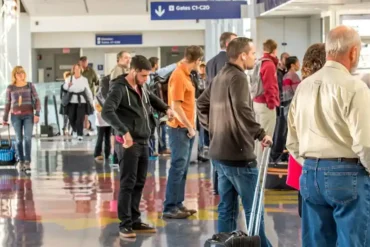
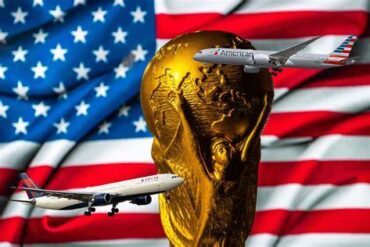
The influx of Palmeiras supporters didn’t just create memorable images—it delivered a massive jolt to the local economy. Hotels in Midtown Manhattan, Secaucus, and East Rutherford reported unprecedented demand, with room rates surging more than 40% compared to non-tournament weekends. Airlines including LATAM, Azul, and Air Canada saw spring bookings soar as fans flocked to the East Coast, with carriers like WestJet and United adding extra capacity to meet demand.
Restaurants, retailers, and attractions felt the surge as well. From Brazilian steakhouses overflowing with diners to souvenir shops selling out of green apparel, the Palmeiras faithful weren’t merely visiting—they were investing in a full-fledged experience. The data tells a striking story: in a single weekend, football fans injected millions of dollars into New York and New Jersey’s tourism and retail sectors.
MetLife Stadium: The Catalyst for Regional Travel Frenzy
Just across the river, MetLife Stadium became the focal point of this sports tourism boom. The Palmeiras vs Porto clash drew not only Brazilian fans but also football lovers from across Europe and North America. Tickets, stadium shuttle packages, and train seats from Penn Station to the Meadowlands vanished within hours of going on sale.
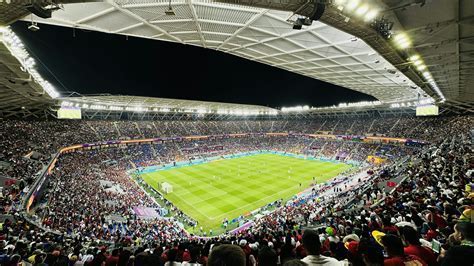
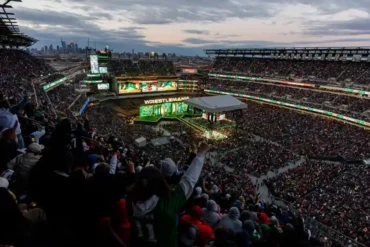
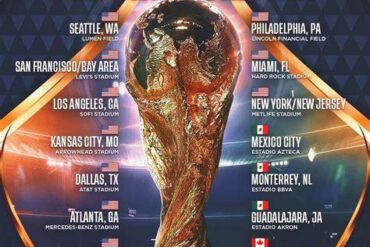
The effect rippled beyond New York. Cities like Cincinnati, Seattle, Los Angeles, Philadelphia, and Miami reported similar spikes in tourism as Club World Cup fixtures brought fans to their doorsteps. This decentralized hosting strategy spread economic benefits widely, transforming a tournament into a nationwide travel boom that engaged local communities and businesses at every stop.
A New Blueprint for Destination Tourism
What makes this sports tourism explosion so remarkable is its shift in focus. Where Times Square once stood as a generic attraction—bucket-list fodder for selfie-hunters—it now serves as a model for cultural convergence and fan engagement. The rally of Palmeiras supporters created a living fan zone, an amphitheater of football passion where the city itself became part of the spectacle.
This moment demonstrated that cities don’t need to host matches to reap the rewards of global sports events. Proximity, accessibility, and cultural cachet are enough to draw fans seeking a shared experience. Travel planners, tourism boards, and hospitality leaders are already taking note. Future itineraries are being mapped not around monuments and beaches, but around team schedules, supporter hubs, and the living heartbeat of football culture.
Airlines, Hotels, and the Sports Tourism Pivot
In response to this dramatic shift, airlines and hotels acted with unprecedented agility. LATAM, Azul, and other carriers boosted flight frequencies into JFK, Newark, and LaGuardia, while U.S. and Canadian airlines followed suit, ensuring fans could make the journey. Hotels rolled out football-focused packages: early check-ins timed to match schedules, shuttle services direct to stadiums, and themed stays complete with club memorabilia and fan perks.
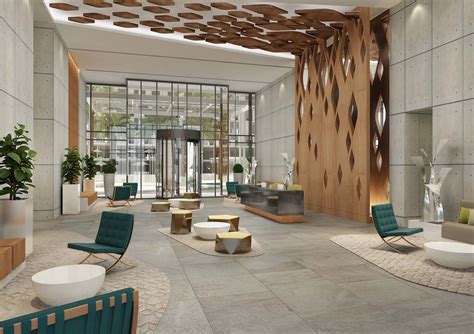
This alignment of air and hotel offerings with sports schedules represents a new era of targeted travel services, borrowing strategies from major European tournaments but scaling them for the vast U.S. market. As the Club World Cup’s expanded format draws fans from every corner of the globe, this nimble approach positions the U.S. as not just a host, but a global hub of sports tourism innovation.
Club World Cup’s Expanded Reach and Its Lasting Legacy
The 2025 edition of the FIFA Club World Cup is rewriting the playbook. With more teams, more matches, and more host cities than ever, the tournament is not just a celebration of football—it’s an economic and cultural engine. From Bayern Munich’s match in Cincinnati to PSG’s showdown with Atletico Madrid in Los Angeles, each fixture drives local engagement, tourism, and spending.
The strategy of decentralization means fans are exploring cities they might never have considered, injecting cash into new markets and leaving behind not just dollars, but deep connections with local culture. The legacy of this tournament will be measured not only in trophies, but in how it redefined the map of global fan travel.
The Future of Sports-Driven Tourism
What we are witnessing is not a fleeting trend—it is the future of tourism itself. Emotional, shared, immersive: sports travel now sits at the center of a reimagined global tourism industry. The chant of Palmeiras fans in Times Square was not an isolated event; it was the opening note in a symphony that will echo through host cities for years to come.
Destinations that understand this shift, that blend culture with accessibility and embrace the energy of the global football crowd, will own the next generation of tourism. Airlines, hotels, and cities ready to pivot toward this emotionally charged, experience-first model will not just benefit economically—they will help shape the next chapter of the global travel story.