As the 2026 FIFA World Cup approaches, a shadow of uncertainty looms over the event due to potential U.S. travel bans affecting fans from several nations. With a growing apprehension regarding the implications of these restrictions, the international football community is bracing for challenges that could hinder participation from key supporters. The U.S. administration, under President Donald Trump, has imposed travel bans on countries deemed security threats, including Iran, which has already qualified for the tournament. The ramifications of these policies not only impact players but also the loyal fans yearning to support their teams on the world stage.
Current regulations have placed Iran, along with Cuba, Haiti, Sudan, and Sierra Leone, under travel restrictions that complicate matters for those nations actively vying for spots in the World Cup. Should these countries qualify, their supporters may find themselves unable to travel to the United States, significantly diminishing the tournament’s spirit of inclusivity and cultural exchange. Furthermore, the potential for additional nations to be added to the ban list could exacerbate this situation, creating an even more complex landscape for the global tournament.
Players vs. Supporters: A Disparity in Travel Access
While players who hold formal roles within their national teams may navigate around these travel restrictions through special visas, it is the supporters from these banned nations who stand to suffer the most. The barriers to entry for everyday fans are substantial; obtaining travel visas to the U.S. is fraught with complications and uncertainties. Many fans have spent years looking forward to the chance to witness their teams compete on the grandest stage, and the thought of being denied this opportunity creates a palpable sense of disappointment and frustration. The FIFA World Cup is not merely a sporting event; it embodies a celebration of unity and shared passion for the game, and any restrictions that prevent fans from attending threaten to undermine this ethos.
Discrimination and Selective Enforcement: A Growing Concern
Compounding the issue is the potential for discrimination and selective enforcement based on nationality or political views. Ronan Evain, executive director of Football Supporters Europe, has raised alarms about the risks of unfair treatment of fans from affected countries. Such policies could lead to a scenario where individuals are singled out, facing scrutiny solely due to their country of origin or political affiliations. This not only raises ethical concerns but also transforms what should be a joyous occasion into a politically charged environment. The prospect of racial, ethnic, or political profiling among World Cup supporters is alarming, reflecting broader tensions regarding immigration and national policies that often seep into the realm of sports.
Historical Context: Previous World Cups and Security Fears
The unease surrounding the 2026 World Cup echoes fears experienced during past tournaments. Roger Bennett, a noted broadcaster and commentator, has articulated how each World Cup has historically been met with skepticism regarding safety and stability. The 2010 World Cup in South Africa was characterized by widespread anxiety over crime rates and political unrest, while the 2014 tournament in Brazil saw protests against government spending and civil discontent. Similarly, the 2018 World Cup in Russia was marred by concerns over governmental control and surveillance. Despite these apprehensions, Bennett emphasizes the transformative power of the tournament itself, as once the matches begin, they engender a collective excitement that often overshadows pre-event fears.
U.S. Policies: A Double-Edged Sword for Global Sports
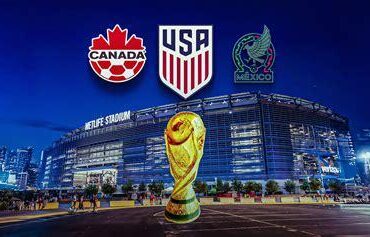
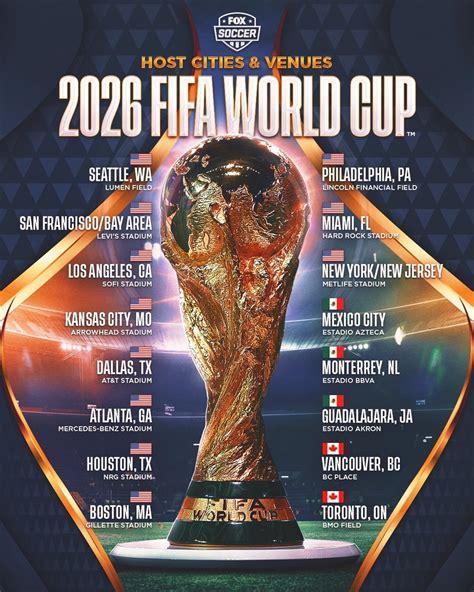
The implications of U.S. travel bans extend beyond individual fans; they signal broader tensions between sports and politics. As the first World Cup to feature three host nations—Canada, Mexico, and the United States**—the ability of the U.S. to facilitate international travel is crucial. The essence of the World Cup lies in its ability to unite diverse nations, fostering connections through a shared love for football. If travel restrictions persist, they could dilute the tournament’s unifying message and create diplomatic strains with countries affected by these policies.
Football Diplomacy: A Test for U.S. Leadership
For the United States, hosting the 2026 World Cup represents a pivotal opportunity to showcase leadership in global sports diplomacy. The nation is eager to assert its role in promoting inclusivity and welcoming international visitors. However, maintaining this commitment may prove challenging if travel bans continue to alienate fans from certain countries. The potential for diplomatic rifts is significant, particularly with nations that have historical ties to the sport. The exclusion of fans from these countries could adversely affect the atmosphere of the tournament, undermining the diversity that characterizes the World Cup experience.
Looking Ahead: A Call for Unity in Football
As anticipation builds for the 2026 World Cup, the future of U.S. travel bans remains uncertain. Football enthusiasts from affected nations are hopeful for resolutions that allow them to participate in this monumental event. For many, football transcends borders, offering a platform for connection and camaraderie, and the upcoming tournament serves as a chance for the world to come together. The FIFA World Cup is a celebration of unity, representing a moment where nations can set aside differences and revel in the joy of sport. Embracing a spirit of cooperation and dismantling barriers will be critical in ensuring the tournament lives up to its promise as a true global celebration, reaffirming the power of football to bridge divides and foster understanding among diverse cultures. Ultimately, the world’s passion for the game may prove to be a formidable force against the political obstacles that seek to fragment it, reinforcing the significance of the World Cup as an event that transcends boundaries and brings people together in celebration.