The United States is considering a dramatic aviation policy shift that could reshape international travel across the country’s busiest gateways. A developing proposal under discussion within the Department of Homeland Security would remove Customs and Border Protection officers from airports located in so-called sanctuary jurisdictions, potentially stripping several major hubs of their ability to process international arrivals.
If implemented, the plan would affect some of the most recognizable airports in America, including New York JFK, Los Angeles International Airport, San Francisco International Airport, and Chicago O’Hare. The consequences would ripple far beyond immigration policy debates, reaching airlines, tourism operators, global business travelers, and millions of passengers preparing for the peak summer season and the upcoming FIFA World Cup 2026.
The proposal remains under review, and no final decision has been announced. Even so, the possibility alone has triggered widespread concern throughout the aviation industry because of the enormous operational disruptions such a move could create.
The airports under consideration collectively process hundreds of millions of travelers every year and serve as primary entry points into the United States for passengers arriving from Europe, Asia, Latin America, and the Middle East.
Major US International Gateways Could Lose Customs Processing
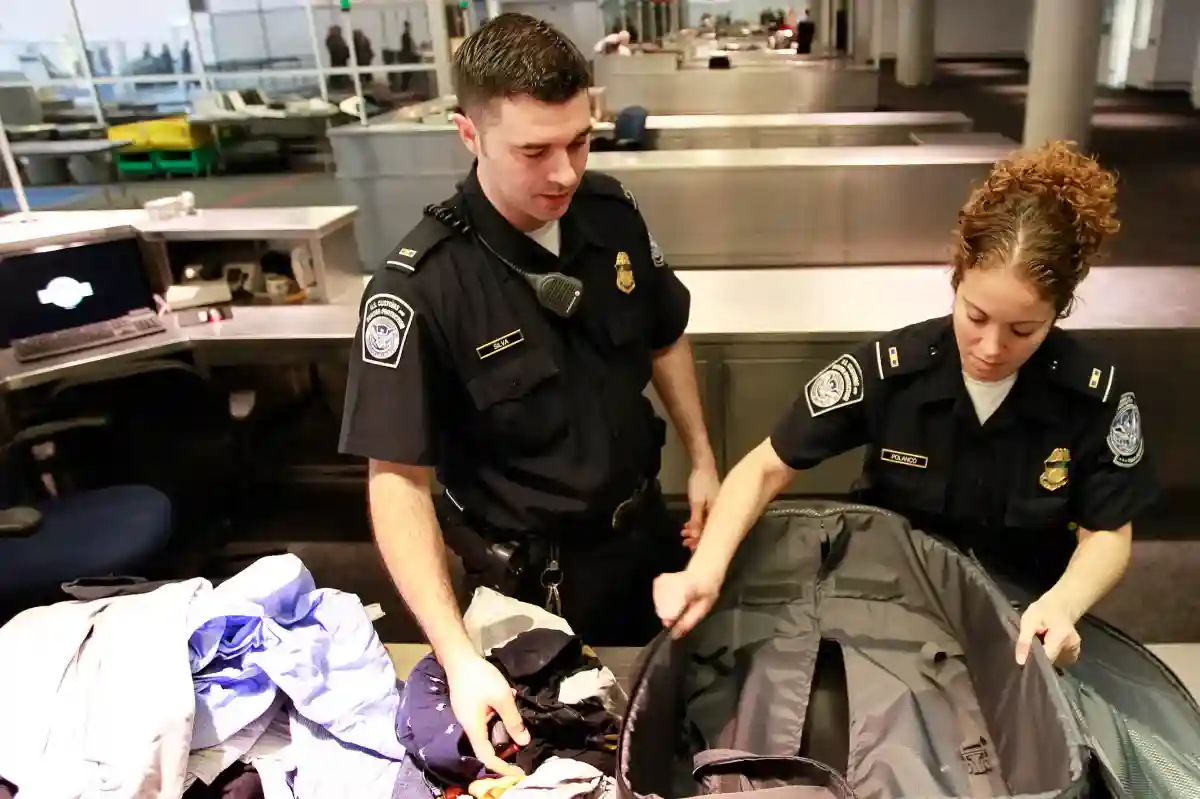
According to officials familiar with the discussions, the Trump administration is evaluating whether to withdraw CBP personnel from airports located in cities viewed as uncooperative with federal immigration enforcement efforts. Without customs officers present, airports would effectively lose authorization to receive international flights because arriving passengers must legally clear immigration and customs inspections upon entering the country.
The airports reportedly under evaluation include:
- Boston Logan International Airport (BOS)
- Denver International Airport (DEN)
- Philadelphia International Airport (PHL)
- Chicago O’Hare International Airport (ORD)
- Chicago Midway International Airport (MDW)
- Los Angeles International Airport (LAX)
- New York John F. Kennedy International Airport (JFK)
- Newark Liberty International Airport (EWR)
- Seattle-Tacoma International Airport (SEA)
- San Francisco International Airport (SFO)
These airports are not secondary facilities with limited global relevance. They are among the pillars of the American aviation system, supporting transatlantic and transpacific routes, cargo operations, business travel corridors, and tourism flows worth billions of dollars annually.
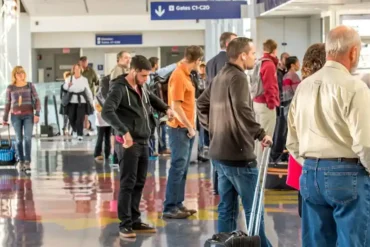
For travelers, the impact could be immediate and chaotic. International flights scheduled into affected airports would either need to be rerouted to alternate gateways or canceled entirely. Airlines would face major scheduling disruptions during one of the busiest travel periods of the year.
Airlines Face Massive Operational Disruption
The proposal carries particularly high stakes for US legacy carriers. United Airlines appears especially vulnerable because several of its most important hubs are included on the list. Newark, Denver, Chicago O’Hare, San Francisco, and Los Angeles all play critical roles within United’s domestic and international network strategy.
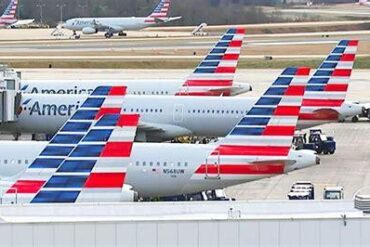
Delta Air Lines would also face serious consequences through its operations at JFK, Los Angeles, Seattle, and Boston, while American Airlines could encounter disruptions at Chicago O’Hare and Philadelphia.
The scale of traffic moving through these airports highlights the severity of the potential impact. Chicago O’Hare, Denver, Los Angeles, and JFK alone handled more than 183 million passengers in 2025 when combining domestic and international traffic figures.
For international airlines, the uncertainty could force rapid network adjustments. Carriers from Europe, Asia, and the Gulf region rely heavily on these gateways for access to the American market. Losing customs processing capabilities at even one major airport could create cascading delays throughout global route systems.
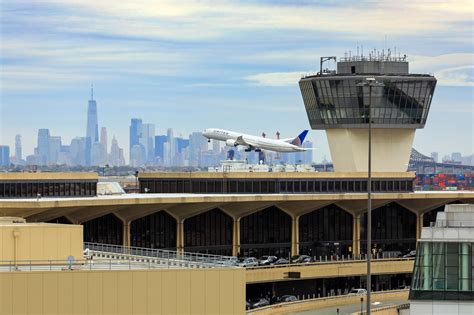
Aviation analysts warn that rerouting long-haul traffic is not as simple as moving flights to nearby airports. Many alternate airports lack sufficient gate capacity, customs infrastructure, or staffing levels to absorb sudden spikes in international arrivals.
The proposal could also intensify congestion at unaffected airports such as Miami International Airport, Dallas/Fort Worth International Airport, and Atlanta Hartsfield-Jackson International Airport, all of which already experience heavy passenger volumes during summer peaks.
FIFA World Cup 2026 Adds Pressure To US Airport System
Timing is one of the most controversial aspects surrounding the proposal. The discussions are emerging only weeks before the United States begins co-hosting the FIFA World Cup 2026 alongside Canada and Mexico.
The tournament is expected to generate one of the largest international travel surges in North American history. Millions of supporters are projected to enter the United States during the competition, creating extraordinary pressure on airport infrastructure nationwide.
Travel demand was already forecast to surge during the summer holiday season. TSA projections previously estimated more than 18.5 million passengers would move through US airports during the Fourth of July travel period alone. With the World Cup approaching, industry observers expect even higher numbers.
Removing customs officers from key international gateways during this period could dramatically reshape arrival patterns for overseas visitors. Fans traveling from Europe or South America may suddenly face longer layovers, additional domestic connections, or rerouted itineraries through unaffected airports.
For cities hosting World Cup matches, reduced international accessibility could also carry economic consequences. Tourism boards, hotel operators, restaurants, and local transportation networks have spent years preparing for increased visitor traffic tied to the tournament.
Sanctuary City Conflict Moves Into Aviation Sector
The administration’s justification centers on ongoing disputes over immigration enforcement cooperation between federal authorities and sanctuary jurisdictions. Officials argue that cities resisting federal immigration actions should not continue benefiting from large-scale international processing operations supported by federal staffing resources.
Supporters of the proposal claim the move would pressure local governments into greater cooperation with immigration authorities. Critics, however, argue that aviation infrastructure should not become entangled in political battles because the consequences extend far beyond local governance disputes.
Airport executives and airline industry groups are expected to lobby aggressively against any implementation. International airports are economic engines supporting regional employment, tourism, cargo logistics, and corporate investment. Restricting international access could affect thousands of aviation-related jobs.
There are also logistical concerns regarding how quickly airlines could adapt. International schedules are planned months in advance, with aircraft rotations, crew assignments, and airport slot allocations carefully coordinated across continents.
Even temporary changes to customs staffing could force widespread operational rewrites.
Travelers Could Be Forced Into Limited Entry Points
If the proposal advances, international travelers may find themselves funneled through a much smaller number of airports still equipped with active CBP operations. This could increase wait times, strain terminal infrastructure, and create bottlenecks at immigration checkpoints nationwide.
Passengers departing from select foreign airports with US Preclearance facilities may experience fewer disruptions because they complete customs procedures before boarding flights to America. Airports in Canada, Ireland, and parts of the Middle East already participate in the Preclearance program.
Still, for most international passengers, the options would narrow significantly if major hubs like JFK, LAX, or SFO lost customs processing capabilities.
For now, the aviation industry remains in a holding pattern, watching closely as federal officials continue evaluating one of the most consequential airport policy proposals in recent years.