
The global travel industry in 2025 is witnessing unprecedented turbulence and transformation, as a wave of crises, cultural clashes, and climate challenges converge to redefine how, where, and why people travel. From backlash against American tourists to flight disruptions across Asia, aviation emergencies in Spain, and record-breaking heatwaves in Europe, the tourism landscape has never been more volatile. Yet, amid the chaos, nations like Colombia and Indonesia are emerging as unexpected tourism powerhouses, fueled by strategic investments and rising global demand.
US Tourists Face Global Resentment as Overtourism and Politics Collide
Frustration toward American tourists is intensifying across popular international destinations, marking a sharp rise in hostility driven by overtourism, cultural insensitivity, and geopolitical divisions. In hotspots like Barcelona, graffiti telling tourists to “go home” has become common, while viral social media content from Southeast Asia criticizes disruptive behavior and environmental disregard.
Locals in Europe, Asia, and Latin America increasingly associate American visitors with price inflation, ecological strain, and disregard for local customs. The backlash is compounded by perceptions linked to divisive US politics, gun violence, and immigration controversies, all of which have made American tourists more conspicuous—and often unwelcome—abroad.
Industry analysts warn that this growing resentment could reshape global tourism dynamics, with American travelers facing heightened scrutiny, limited access, and changing hospitality trends. In some cities, residents have organized protests or policy campaigns to curb tourist inflows, citing overcrowding and cultural erosion.
US Faces Tourism Revenue Decline Amid Perception Crisis
The United States itself is grappling with an alarming slump in inbound tourism, risking multi-billion dollar economic losses. Cities like New York, Los Angeles, and Miami—once magnets for global visitors—are experiencing declining hotel occupancy, lower entertainment spending, and fewer international arrivals.
Experts cite several compounding factors:
- Stricter visa regulations and entry barriers
- Global safety concerns tied to gun violence and political instability
- A deteriorating perception of the US as an inclusive, safe destination
Unless policymakers and tourism boards act swiftly with strategic image overhauls and regulatory reforms, the US risks ceding its dominant position in the global travel economy.
British Tourists Clash with Cash-Dependent Greek Businesses
In Greece, a different kind of culture clash is unfolding as British tourists, accustomed to cashless convenience, confront a reality where many businesses still operate on physical currency. While urban hubs like Athens and Santorini accept digital payments, rural towns and islands often lack reliable card infrastructure.
Small businesses, resistant to card transaction fees, are pushing back, leaving tourists struggling to pay for essentials like transport, meals, and local goods. The divide reflects broader challenges in aligning modern travel preferences with traditional economies, and underscores Greece’s ongoing struggle to modernize post-pandemic.
United Airlines Lawsuit Spotlights Loyalty Program Failures
A high-profile $500,000 lawsuit against United Airlines is igniting debate over the obligations airlines hold toward their most loyal customers. Filed by an elite frequent flyer, the suit alleges that repeated summer cancellations disrupted crucial international meetings, family events, and hotel bookings.
The complaint accuses United of failing to honor elite-tier benefits, including upgrade guarantees and priority rebooking, exposing cracks in loyalty programs strained by systemic airline disruptions.
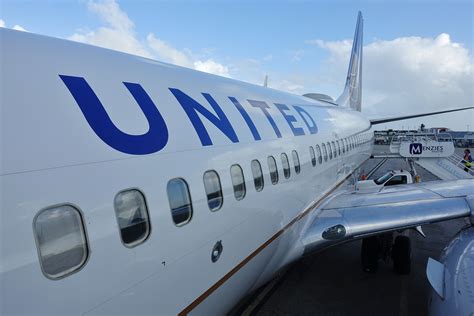
Legal experts suggest the case could set a precedent for how airlines compensate premium passengers during operational crises—a growing concern as flight reliability falters worldwide.
Spain’s Airport Crisis Escalates After Ryanair Jet Fire
Chaos gripped Palma de Mallorca Airport, one of Spain’s busiest tourist hubs, when a Ryanair Boeing 737 suffered an engine fire during taxiing. The emergency evacuation left 18 passengers injured, igniting fresh scrutiny over airline safety amid peak summer travel.
Eyewitnesses described plumes of smoke and panic as passengers scrambled down inflatable slides. Spanish aviation authorities have launched investigations, while Ryanair faces pressure to address mechanical reliability and crew preparedness.
The incident exacerbates concerns over airport readiness during high-traffic periods, with experts warning that infrastructure strain and inadequate contingency plans are exposing systemic vulnerabilities.

Asia’s Air Travel Meltdown: 3,300+ Flight Cancellations Paralyze Region
Across Asia, over 3,300 flights have been canceled within days as China, Japan, India, and Singapore grapple with an aviation crisis fueled by extreme weather, staffing shortages, and congested airspace.
Major airlines including ANA, Air China, Singapore Airlines, and IndiGo are struggling to maintain schedules, leaving airports like Beijing, Tokyo Haneda, Delhi, and Singapore Changi overwhelmed.
Passengers report chaotic rebooking, missing luggage, and prolonged airport stays, compounding frustration during the region’s peak travel season. Authorities are urgently reviewing crisis protocols as forecasts predict continued turbulence amid rising travel demand.
European Heatwaves Transform Summer Tourism Dynamics
Record-breaking heatwaves are reshaping tourism in France and Italy, where soaring temperatures are straining infrastructure and altering visitor behavior.
In Paris, the city has opened designated swimming zones along the Seine River, transforming riverbanks into urban bathing hotspots. Extensive water treatment and safety investments have made this iconic waterway accessible for recreation—a novel adaptation to intensifying summer heat.
Meanwhile, Italy faces growing tourist dissatisfaction as many historic accommodations in Rome, Florence, and Siena lack air conditioning. Heritage protection laws complicate modernization, leaving travelers enduring 40°C (104°F) heat with limited relief.

Local businesses are under pressure to balance preservation with guest comfort, as climate change accelerates the frequency and severity of Mediterranean heatwaves.
Colombia Emerges as a Latin American Tourism Powerhouse
In stark contrast to global travel disruptions, Colombia is experiencing a tourism boom, positioning itself as a leading destination in Latin America. Cities like Cartagena, Medellín, and Bogotá report surges in hotel bookings, cultural events, and international arrivals.
The success is attributed to:
- Major infrastructure upgrades
- Expanded airline routes
- Digital nomad visa incentives
- Enhanced safety protocols
Colombia’s appeal extends beyond urban centers, with growing interest in eco-tourism, adventure travel, and cultural heritage experiences. Regional cooperation with neighbors like Brazil, Peru, and Ecuador further strengthens its market presence.
Indonesia Breaks Tourism Records Despite New Taxes
Indonesia has joined the ranks of global tourism leaders, smashing previous arrival records despite introducing new visitor taxes ranging from $10 to $50 in 2024.
Hotspots like Bali, Jakarta, and Yogyakarta remain in high demand, while lesser-known islands such as Flores and Lombok are gaining traction among adventure and eco-conscious travelers.
The government’s strategic initiatives include:
- Eco-tourism development incentives
- Extended digital nomad visas
- Airport expansions
- Global airline partnerships

Indonesia’s success underscores how proactive policies and destination marketing can override deterrents like taxation, reshaping the archipelago’s global tourism profile.
A Travel Landscape Defined by Crisis and Opportunity
The year 2025 marks a pivotal moment for global tourism, shaped by climate extremes, geopolitical tensions, infrastructure gaps, and cultural clashes. From aviation emergencies in Spain and Asia, to escalating backlash against American tourists, to tourism booms in Colombia and Indonesia, the travel sector faces profound disruption and reinvention.
For travelers, industry leaders, and policymakers, the message is clear: adaptation is no longer optional—it is essential. In an era where climate, culture, and crisis dictate mobility, destinations that invest in resilience, inclusivity, and sustainability will define the future of global travel.