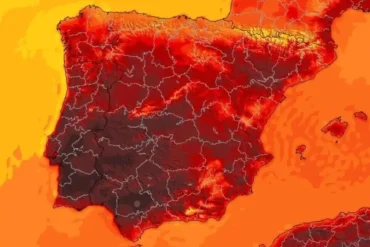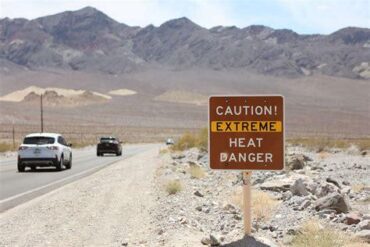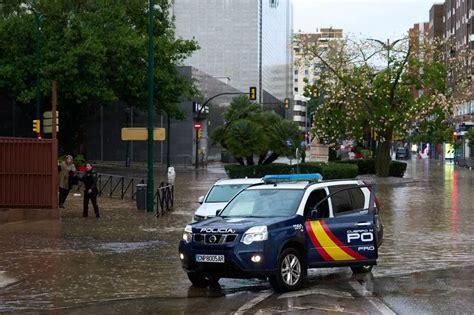
Spain’s most iconic travel destinations are currently under high alert as a relentless and unforgiving heatwave blankets the country, prompting urgent government warnings and raising alarms across health and tourism sectors. As record-breaking temperatures sweep across the Iberian Peninsula, the Spanish government has issued critical advisories through the AEMET national meteorological agency and other official channels. Travelers arriving this week or already within Spain’s borders have been strongly urged to “be very careful”, especially during peak afternoon hours when ultraviolet radiation levels soar and heatstroke risks are highest.
The situation coincides with the height of Spain’s tourism season, with millions of international visitors—especially from the United Kingdom—flocking to cultural hubs, sun-drenched beaches, and celebrated city centers. Popular regions such as Barcelona, Madrid, Seville, and the Balearic Islands are experiencing intense heat surges that threaten both public health and the travel experience itself.
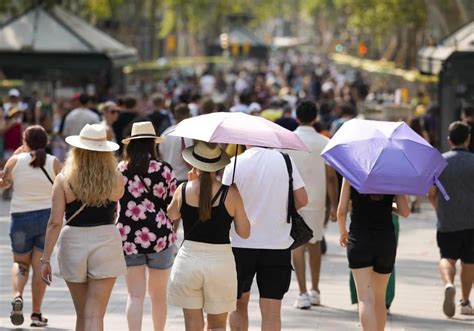
Spain’s Summer Tourism Surge Meets Dangerous Heat Extremes
With June and July representing the traditional apex of international arrivals, Spain is bracing for unprecedented tourist volume amid dangerously high temperatures. Tourism experts expect a record-breaking summer as global travel rebounds post-pandemic, yet the scorching weather has added an unexpected layer of complexity. For those unaccustomed to southern Europe’s dry, searing climate, the risks can be particularly acute.
Government-issued advisories focus on preventative health measures, including limiting time outdoors during midday, staying hydrated, wearing light and breathable fabrics, and applying high-SPF sunscreen. Crucially, vulnerable populations such as children, seniors, and those with pre-existing medical conditions are being given priority in public safety messaging.
Emergency Protocols Activated Across Tourist Zones
Spain’s extensive hospitality infrastructure is now pivoting toward heat-related crisis preparedness. Hospitals in cities such as Valencia, Malaga, and Granada are ramping up emergency response capabilities in anticipation of heatstroke, dehydration, and exhaustion cases. Local clinics are receiving increased supplies of electrolyte solutions, intravenous fluids, and air-conditioned triage zones to handle potential surges in patient numbers.
The Health Ministry has issued strict guidance against leaving children or elderly individuals in parked vehicles, emphasizing that internal car temperatures can spike to fatal levels within minutes. Mobile patrols and law enforcement units in parking zones are also under directive to monitor for at-risk individuals.

Forecast: Little Relief in Sight for Most Regions
According to Spain’s meteorological authorities, the current heatwave is expected to persist until at least June 29. While brief dips in temperature are projected for northern and some central areas, the eastern coastline, southern provinces, and Balearic Islands will continue to experience oppressive heat throughout the period.
Meteorologists warn that even in regions that briefly cool, the respite will be short-lived. A second heatwave surge is anticipated by the weekend, which could escalate emergency conditions further, especially in densely populated tourist corridors. AEMET continues to issue real-time temperature tracking and has promised immediate updates should the geographic range of impact expand.
Tourist Behavior Becomes Key to National Safety Effort
With government infrastructure strained by climate pressures, tourists are now being called upon to participate actively in public safety. Travel agencies, airlines, and hotel chains have begun distributing heat safety kits that include hydration packs, cooling towels, and multilingual advisories for international guests.
Municipal governments are also stepping in, with cities like Madrid and Palma de Mallorca opening air-conditioned public centers, extending library and mall hours, and deploying volunteers to distribute water in popular pedestrian zones. Tourists are advised to research and bookmark local emergency services numbers, as well as familiarize themselves with the nearest clinics before embarking on outdoor activities.

Cultural Itineraries Shift Indoors
In response to the growing threat of heat-related illness, many travelers are adjusting their plans by focusing on indoor cultural activities. Museums such as Museo del Prado in Madrid, Museu Picasso in Barcelona, and Guggenheim Bilbao are reporting a surge in ticket demand, while indoor flamenco venues and culinary schools are witnessing renewed interest.
Tour operators are rapidly revising schedules to include early morning walking tours and late evening excursions, avoiding the heat-stricken midday entirely. Cities like Cordoba have even begun offering twilight sightseeing packages, turning the challenge into an opportunity to reimagine tourism through a climate-resilient lens.
Rising Temperatures Add Pressure to Tourism Industry
Despite being well-prepared for typical Mediterranean summers, the intensity of this heatwave has put considerable strain on Spain’s tourism economy. Smaller hospitality providers without robust air conditioning infrastructure are facing cancellations or poor guest reviews. Restaurants with outdoor patios are struggling to retain customers as diners retreat indoors.
The Balearic hospitality association has called for urgent funding to help small operators install climate-control systems, arguing that the weather poses a systemic threat to regional tourism resilience. Meanwhile, travel insurers are beginning to field queries about policy coverage for climate-related disruptions, including heat-related health emergencies.
Collaborative Solutions and Local Adaptation
Spain’s response to the heatwave demonstrates the importance of coordinated public-private collaboration. From the national tourism board to grassroots neighborhood groups, efforts are underway to ensure that both residents and visitors remain safe without compromising the country’s reputation as a world-class destination.
Some innovative approaches gaining attention include:
- Temporary urban misting stations in plazas and public parks
- Heat-sensitive route recommendations on GPS apps and hotel concierge services
- Distribution of UV index maps in multiple languages
These measures are being praised for their immediacy, accessibility, and community involvement, all of which contribute to a safer and more informed travel experience during extreme conditions.
Looking Ahead: A Test for Sustainable Tourism
As the climate crisis brings more frequent and intense heatwaves, Spain’s current challenge offers a preview of the future of global tourism. The question is no longer just how to attract travelers, but how to protect them. Spain’s handling of the current crisis will likely shape new international benchmarks for tourist safety during climate extremes.
Experts urge governments, travel companies, and destination marketers worldwide to watch closely. The ability to combine real-time public health guidance with adaptive tourism services may determine which countries remain viable tourist destinations as climate volatility increases.

Final Word: Stay Vigilant, Stay Informed
Spain remains an alluring destination with its rich culture, legendary cuisine, and breathtaking landscapes. But as temperatures soar beyond comfort and into crisis territory, both visitors and locals must pivot toward mindful travel and responsible tourism practices.
The message from Spanish authorities could not be clearer: this is not the time for carefree holidays under the sun. This is a moment for informed decisions, strategic planning, and mutual cooperation. If followed, these precautions could allow travelers to still enjoy the beauty of Spain—safely, responsibly, and without compromising their well-being during one of the hottest periods in recent memory.