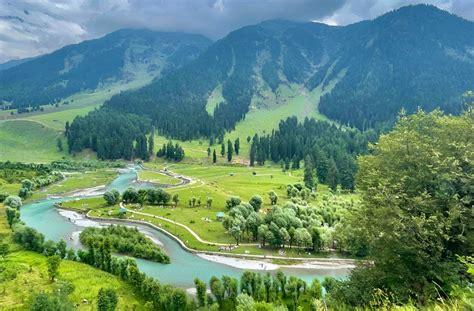
In a significant step towards recovery and resilience, Jammu and Kashmir Lieutenant Governor Manoj Sinha officially reopened 16 of the 48 tourist destinations previously closed following the devastating terror attack in Pahalgam that claimed 26 civilian lives on April 22, 2025. This decisive action is part of a phased plan to fully revive tourism, an essential economic lifeline for the region.
Restoring Confidence in Tourism
On June 14, 2025, in a ceremonial move filled with symbolism and reassurance, Lt. Governor Sinha reopened destinations across both Jammu and Kashmir regions. The decision followed extensive security assessments, reflecting careful planning and a commitment to ensuring the safety of visitors and local communities alike. The Lieutenant Governor’s initiative underscores a broader effort to restore confidence among tourists and residents. This gradual reopening aims to rejuvenate the region’s economy, heavily reliant on tourism, by encouraging visitors to return to some of India’s most picturesque landscapes.
Destinations Reopened: Diverse Offerings Across Regions
The first phase of reopening saw equal attention given to both Jammu and Kashmir divisions, reflecting balanced regional development. In Jammu, reopened destinations include:
- Sarthal
- Baggar Devi
- Pindi
- Sehar Baba Waterfall
- Sulha Park
- Gul Danda
- Jai Valley
- Panchari
Meanwhile, the Kashmir division has welcomed back visitors to iconic locales in Srinagar such as:
- Badamwari Garden
- Duck Park
- Taqdeer Park near Hazratbal
This strategic selection highlights culturally rich, scenic spots, catering to diverse tourist interests from adventure and spirituality to leisure and historical exploration.
Emphasizing Security and Safety
The decision to close many tourist destinations initially stemmed from serious security concerns post the tragic Pahalgam attack. Lt. Governor Sinha emphasized the government’s careful and responsible approach, stating the closures were precautionary measures necessary to ensure safety and security. The gradual reopening strategy reflects meticulous security evaluations, reinforcing government commitment to visitor safety. By ensuring robust security measures, the administration aims to rebuild traveler confidence, thus sustaining tourism’s crucial role in Jammu and Kashmir’s economy.
Economic and Community Impact
Tourism is the backbone of Jammu and Kashmir’s economy, significantly impacting local businesses, employment, and regional prosperity. The abrupt halt caused by the April attack severely impacted thousands of families dependent on tourism. The phased reopening is expected to reinvigorate local economies, providing much-needed financial relief and employment opportunities to residents. Enhanced visitor numbers resulting from these actions will also indirectly benefit various related sectors, including hospitality, transport, handicrafts, and food services, vital to the region’s economic well-being.
Community Engagement: The Amarnath Yatra
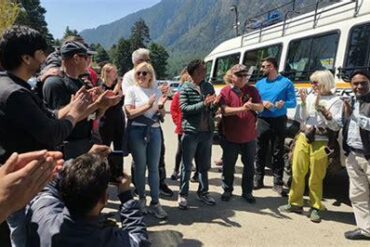
Lt. Governor Sinha’s recent visit to Pahalgam not only marked the reopening of destinations but also encouraged public participation in ensuring the peaceful and successful conduct of the upcoming Amarnath Yatra. Emphasizing the Yatra as belonging to Kashmir’s people, he highlighted its economic and symbolic importance. In a heartfelt gesture, the Lieutenant Governor personally handed over a government job letter to the widow of Adil Ahmad, a pony rider who tragically lost his life in the attack. This act symbolized solidarity with affected families, affirming the administration’s commitment to support those impacted by the tragedy.
Political Unity and Collaboration
Political leaders, despite occasional differences, showcased unity during this period of recovery. The ruling National Conference highlighted its proactive role, emphasizing collaborative efforts in securing employment for the families of victims, underscoring the importance of compassion and cooperation over political differences. Statements from political figures like Zadibal MLA Tanvir Sadiq reinforced the necessity of prioritizing humanitarian needs, demonstrating maturity and responsiveness in governance during crises.
Future Steps: Gradual and Responsible Reopening
The administration plans to continue the phased reopening of the remaining tourist spots based on detailed security assessments. This careful and methodical approach aims to maintain stability and public trust, critical for long-term recovery and sustainable tourism. Simultaneously, the central government continues to support Jammu and Kashmir through initiatives like facilitating official visits and parliamentary delegations. Such efforts further boost confidence, signaling stability and the region’s readiness to welcome back domestic and international tourists.
Sustaining Tourism Amidst Challenges
The recent developments reflect broader global tourism trends, emphasizing safety, resilience, and adaptability post-pandemic and amidst geopolitical tensions. Jammu and Kashmir’s experience serves as an insightful case study for other regions globally, emphasizing the necessity of careful planning, strong security measures, and community engagement to revive tourism sustainably.
Conclusion: Resilience and Revival
Jammu and Kashmir’s phased reopening of tourist destinations represents a powerful statement of resilience in the face of adversity. By prioritizing safety, fostering community engagement, and supporting impacted families, the administration sends a strong message of solidarity and hope. As the region carefully navigates its recovery path, Jammu and Kashmir demonstrate the possibility of harmonizing economic revival with security imperatives, setting a positive precedent for other tourist-dependent regions facing similar challenges worldwide.