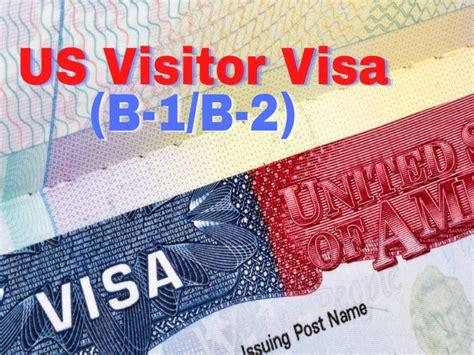
Traveling to the United States has long been a dream for many, particularly for UAE nationals and residents. However, this journey now requires careful planning and adherence to new visa regulations. The B2 tourist visa is mandatory for anyone from the UAE intending to visit the U.S. for leisure purposes. This article outlines essential application guidelines and updated information on B2 visa fees, ensuring that potential travelers are well-informed before embarking on their journey.
Understanding the New Visa Requirements
The introduction of the B2 visa requirement marks a significant shift in how international travel from the UAE to the U.S. is approached. The United States remains one of the most sought-after destinations globally, but this increased regulation has implications for both individuals and the broader travel industry. The visa process is no longer a mere formality; it necessitates early action and meticulous documentation.
Travelers must now consider various factors such as interview availability, documentation gathering, and potential delays. These new regulations are expected to reshape traditional booking patterns, making spontaneous travel more challenging and encouraging tourists to plan their trips well in advance.
Financial Commitment: B2 Visa Fees
A critical aspect of the B2 visa process is the non-refundable application fee, currently set at $185. Although this fee may seem manageable for individual travelers, it can quickly accumulate for families or groups, thereby necessitating careful financial planning. Here are some key details regarding the visa fee:
- Visa Type: B2 (Tourism)
- Fee: $185 (non-refundable)
- Eligible Applicants: UAE nationals and residents
This financial commitment may influence travel behavior, prompting travelers to opt for longer, more meaningful trips rather than short, casual getaways. With a substantial investment in the visa application, travelers are likely to seek experiences that justify the effort and expense involved in obtaining the visa.
Who Needs to Attend the Visa Interview?
An important detail in the visa application process is the age-related interview requirement. Generally, applicants aged between 14 and 79 are required to attend an in-person visa interview at a U.S. Embassy or Consulate. Children under 14 years old and seniors aged 80 or above are typically exempt from this requirement, although exceptions may apply at the discretion of the consular office. This requirement significantly impacts families traveling with children or elderly relatives, necessitating extra planning to ensure that all parties understand what is expected during the visa application process.
Preparing Your Application: Key Requirements
Securing a B2 visa involves more than merely filling out an online form. Applicants must compile a comprehensive array of documents to support their application. Essential requirements include:
- A valid passport that must remain valid for at least six months beyond the intended stay in the U.S.
- Completion of the DS-160 form, submitted online along with the confirmation page.
- Proof of visa fee payment.
- A passport-style photo, which can be uploaded digitally or printed and brought to the interview if needed.
In certain cases, additional documentation may be requested. This can include employment verification, proof of financial means, or evidence of strong ties to the UAE, such as family responsibilities or long-term residency. Such documents aim to demonstrate the applicant’s intent to return home, a crucial factor in securing visa approval.
Timing is Everything: Apply Early
For residents of Dubai and other parts of the UAE, it is advisable to initiate the U.S. visa process several months prior to the planned departure date. The time required to secure an appointment can vary significantly based on seasonal demand and geographic location. This aspect of the visa policy encourages travelers to avoid last-minute plans, leaning instead towards more structured, pre-planned trips.
As a result, early bookings, consultations, and pre-application strategies may become the norm, particularly among Middle Eastern travelers with frequent international itineraries. By taking proactive steps in the visa application process, travelers can minimize the risk of delays and complications that could impact their travel plans.
Implications for the Travel Industry
The recent changes in visa requirements necessitate adjustments within the travel industry. Travel providers and service companies may need to rethink their offerings in light of these new regulations. Key adjustments might include:
- Integrating visa advisory support into travel packages.
- Extending booking timelines to accommodate visa processing times.
- Offering documentation checklists and consultation services to clients.
- Building in flexible travel dates for clients facing potential consular delays.
The anticipated effect on tourist flow from the UAE is significant, as travelers may become more selective about when and why they travel. In response, the travel industry is likely to focus on education and awareness, helping clients navigate the increasingly complex landscape of international travel requirements.
A New Era in Travel Planning
The introduction of mandatory visa steps for UAE residents and nationals wishing to visit the United States signifies more than just a bureaucratic update; it heralds a new era in how individuals prepare for international travel. For the U.S., it ensures a controlled and verified entry process, while for travelers, it underscores the importance of meticulous preparation.
Although the process may initially seem intricate, it provides clearer expectations for all involved—travelers, officials, and industry professionals alike. As global mobility becomes increasingly intertwined with security and regulation, this shift offers valuable insights into how future international travel policies may evolve.
In summary, the journey from Dubai to New York, Los Angeles, or Miami now begins not merely with packing a suitcase, but with a detailed checklist, several months of planning, and an understanding that even leisure travel is subject to its own set of rules. By embracing this new reality, travelers can ensure a smoother, more rewarding experience as they explore the vibrant landscapes and cultural treasures of the United States.