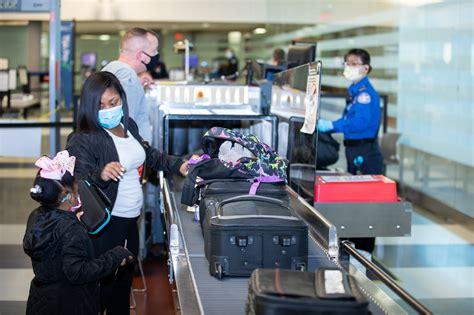
As millions of Americans gear up for summer travel, the Transportation Security Administration (TSA) has issued a stark new warning: public USB charging stations and unsecured Wi-Fi networks pose an increasingly dangerous threat to travelers’ digital security. In an era where convenience and connectivity are essential to the travel experience, these commonly used features have become prime targets for hackers employing sophisticated methods such as juice jacking and Wi-Fi spoofing.
Why the TSA Is Sounding the Alarm This Summer
The TSA’s alert comes amid a record-setting summer travel season, where crowded terminals and layovers are prompting more people than ever to plug in at public charging stations or connect to free Wi-Fi. While these amenities may appear harmless, they are now high-risk vectors for cybercriminal activity. TSA’s internal cybersecurity team, along with federal IT experts, emphasizes that compromised ports and unsecured networks can easily be manipulated to steal personal data, hijack accounts, or even deploy malware.
What was once a minor concern has escalated into a major national cybersecurity issue as attackers develop more covert and potent tools to breach devices. These digital threats can be difficult to detect and devastating once activated, potentially granting hackers access to everything from passwords and banking credentials to medical data and private photos.
Juice Jacking: The Hidden Danger in USB Ports
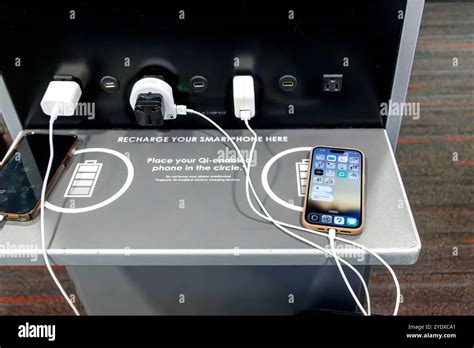
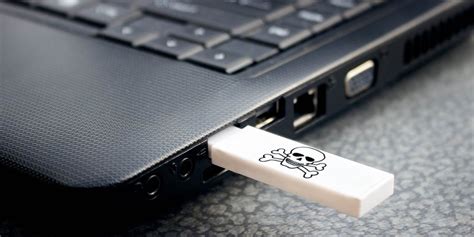
Perhaps the most insidious tactic currently making the rounds is juice jacking—a type of attack that targets unsuspecting travelers via public USB ports. These are commonly found at airport gates, hotel lobbies, transit stations, and cafés. In a juice jacking incident, a modified USB port transmits malicious code to your device as soon as it’s plugged in. The malware can then bypass security systems, exfiltrate sensitive files, and even take control of the device remotely.
What makes this method particularly troubling is its stealth. Unlike phishing scams or spam emails, juice jacking requires no interaction from the user. Simply connecting your phone to a rigged USB port can silently compromise the device, leaving users unaware until it’s too late.
The Deceptive Web of Public Wi-Fi
In parallel with USB-based threats, Wi-Fi spoofing has emerged as another highly effective cyberattack. Many travelers use public Wi-Fi networks in airports, restaurants, and hotels without questioning their legitimacy. But hackers have caught on. They now set up rogue Wi-Fi hotspots with names nearly identical to official ones—like “FreeAirportWiFi” or “HotelGuestNet”—that trick users into connecting.
Once connected, the attacker can monitor and intercept every action taken on the device, including logins to banking apps, emails, corporate portals, and even health records. Even secure sites (those starting with HTTPS) are not immune if an attacker uses tools to strip encryption or inject malicious content into sessions.
Cybersecurity professionals stress that many people underestimate the risk because they assume public networks provided by reputable locations must be secure. However, open Wi-Fi networks are rarely encrypted, and even legitimate access points can be infiltrated or cloned.
Digital Travel Tips From TSA Cybersecurity Experts
In response to this growing concern, TSA’s cybersecurity division has issued a set of practical recommendations for travelers who want to safeguard their personal information while on the go. These strategies are designed to minimize risk without sacrificing connectivity or convenience:
- Bring Your Own Charger: Use TSA-approved wall adapters or personal portable power banks instead of public USB ports. Charging directly from an AC outlet is far safer than using a shared USB terminal.
- Use USB Data Blockers: Known as “USB condoms,” these adapters allow power to flow into your device without transmitting any data, effectively neutralizing juice jacking attempts.
- Choose Encrypted Wi-Fi: Only connect to password-protected networks that show a secure connection (indicated by a padlock icon or “https” in the browser). When in doubt, verify the exact network name with a staff member.
- Avoid Sensitive Activity on Public Networks: Don’t access bank accounts, enter credit card details, or check email when connected to open Wi-Fi. Wait until you’re on a private or VPN-protected network.
- Disable Auto-Connect: Many devices are set by default to automatically join known Wi-Fi networks. Turn this feature off so your phone doesn’t unknowingly connect to a malicious hotspot.
- Enable Two-Factor Authentication (2FA): Add an extra layer of protection to your accounts. Even if your credentials are stolen, 2FA can prevent unauthorized access.
- Update Software Regularly: Always ensure your operating systems and apps are current, especially security patches. Hackers often target devices running outdated firmware.
- Use a Reputable VPN: A Virtual Private Network encrypts all internet traffic, offering a secure tunnel that hides your activity even on questionable networks.
Summer Travel: The New Frontier of Cybercrime
Digital theft has become as serious a threat as pickpocketing or baggage loss. As more personal data is stored on mobile devices—including itineraries, vaccination records, identity documents, and payment apps—the potential damage from a compromised smartphone can far exceed physical loss.
The TSA’s advisory is a crucial reminder that modern travel safety must include digital security planning. It is no longer enough to lock your suitcase or watch your passport. You must also guard against invisible attackers who prey on your connectivity.
Why Hackers Target Travelers in Peak Season
Cybercriminals are opportunistic. The summer travel season provides a perfect storm: high device usage, limited situational awareness, and increased reliance on public infrastructure. Airports are especially attractive targets due to their crowded environments and the vast number of unprotected devices in circulation.
Travelers, often fatigued or in a hurry, are more likely to ignore warning signs or skip best practices. This makes them ideal targets for “man-in-the-middle” attacks, malware injection, or credential harvesting. Many of these tactics occur without any obvious signs—until a bank account is drained or a personal email is hijacked.
An Ongoing Federal Effort Against Cyber Threats
This new TSA travel alert is part of a broader federal campaign to boost cyber hygiene among the public. Agencies including the Cybersecurity and Infrastructure Security Agency (CISA) and the Federal Trade Commission (FTC) have also launched outreach programs urging Americans to understand the risks of digital exposure.
In tandem, airport authorities are beginning to audit and secure public charging stations more rigorously, although this is far from universal. Until such safeguards are ubiquitous, experts recommend that travelers treat every public tech access point as potentially compromised.
Protecting Your Digital Identity Is Now Part of Your Travel Checklist
Just as you wouldn’t leave your luggage unattended in a crowded terminal, you shouldn’t leave your phone defenseless on a public network or charging port. The TSA’s warning isn’t merely a caution—it’s a wake-up call to travelers that digital security is now essential to personal safety.
Before heading to your next vacation, be sure to pack a power bank, install a VPN, update your device, and disable auto-connect. The extra preparation might mean the difference between a smooth trip and a digital disaster.
In an age where data is currency, protecting your digital identity has become just as important as safeguarding your passport.
Stay informed. Stay protected. And this summer, travel smart—both physically and digitally.