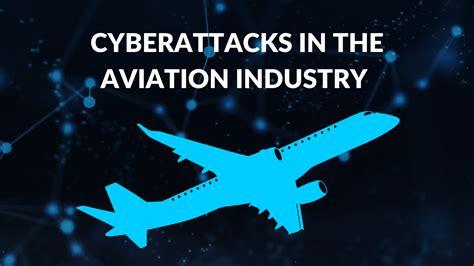
Hawaiian Airlines has become the latest high-profile target in a wave of cyberattacks crippling the global aviation sector, as the carrier confirmed a significant cybersecurity breach that disrupted internal IT systems. The incident, announced late on June 27, 2025, follows closely after a similar cyberattack on Canadian carrier WestJet Airlines, raising alarm across the industry about the vulnerabilities of airlines to increasingly sophisticated cyber threats.
Despite the gravity of the breach, Hawaiian Airlines has emphasized that flight operations remain unaffected, and there is currently no evidence suggesting that passenger data has been compromised. The airline, however, remains locked in an intensive investigation, working alongside cybersecurity experts and federal authorities to assess the full extent of the disruption and prevent future incidents.
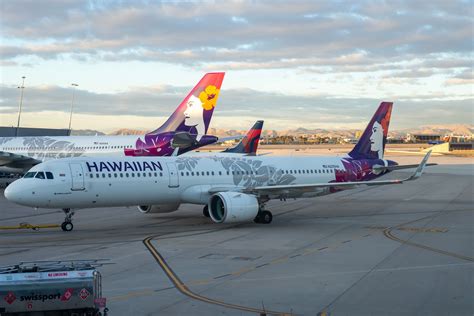
Growing Threats: Hawaiian Airlines Cybersecurity Breach Unfolds
The breach reportedly occurred after regular business hours, a strategic window often exploited by cybercriminals to minimize immediate detection and maximize system disruption. Hawaiian Airlines disclosed that certain internal IT systems were impacted, although the airline has refrained from revealing precisely which functions were affected. This lack of detail has fueled speculation among cybersecurity analysts, many of whom warn that airlines are increasingly lucrative targets for organized cybercriminal groups and state-sponsored hackers.
According to Hawaiian Airlines’ official statement, while some internal operations experienced interruptions, flight schedules remained intact, ensuring minimal inconvenience for passengers. The carrier was quick to initiate its emergency response protocols, which included engaging both internal IT teams and external cybersecurity firms to contain the threat.
Passengers were assured that there was no immediate risk to their safety or flight schedules. However, the incident has reignited concerns regarding the aviation sector’s preparedness to fend off large-scale cyberattacks.
Authorities Mobilize as Cyberattack Investigation Deepens
In the aftermath of the breach, Hawaiian Airlines collaborated closely with multiple federal agencies, including the Federal Aviation Administration (FAA). The FAA issued a public statement confirming its active monitoring of the situation while emphasizing that there was no indication of risks to flight safety.
Hawaiian Airlines has also engaged specialized cybersecurity firms to conduct a comprehensive forensic analysis of the breach. These efforts aim to:
- Identify the entry point of the attack.
- Assess whether sensitive operational or passenger data was accessed.
- Implement immediate and long-term defensive measures to bolster system resilience.
The airline has pledged transparency throughout the investigation, committing to provide regular updates to both passengers and regulatory bodies. While no direct evidence of data theft has emerged, experts caution that threat actors often remain embedded within compromised networks for extended periods before fully revealing their intentions.
Aviation Industry on High Alert: A Widening Cybersecurity Crisis
The Hawaiian Airlines incident is not isolated. In recent years, airlines worldwide have reported a surge in cyberattacks targeting their increasingly complex digital infrastructures. From flight scheduling and crew management to ticketing and passenger data systems, modern airlines depend heavily on integrated IT platforms, making them high-value targets for cybercriminal organizations.
WestJet Airlines, which suffered a cyberattack mere days before Hawaiian Airlines, experienced significant data exposure, with customer information reportedly leaked online. Although Hawaiian Airlines insists no similar breach of personal data has occurred, the proximity of these incidents underscores a disturbing trend.

Cybersecurity experts argue that the aviation sector’s reliance on digital systems has outpaced its investment in cyber defense mechanisms. As airlines digitize operations to enhance efficiency and customer experience, they inadvertently expand the attack surface vulnerable to exploitation.
Analysts warn that airlines’ interconnected networks, combined with third-party service providers and legacy systems, create complex vulnerabilities that sophisticated attackers can exploit. The consequences of a successful cyberattack extend beyond operational disruptions to potentially catastrophic safety risks, should flight navigation or communication systems be compromised.
Hawaiian Airlines’ Swift Response: Containment and Reassurance
Hawaiian Airlines’ response to the incident has drawn cautious praise from industry observers. By acting swiftly to engage federal authorities, cybersecurity experts, and regulatory agencies, the airline demonstrated its commitment to mitigating the fallout and maintaining public trust.
The airline’s crisis response included:
- Immediate isolation of affected systems to prevent further infiltration.
- Deployment of cybersecurity teams to investigate and contain the breach.
- Continuous coordination with the FAA and Department of Homeland Security.
- Regular public updates to inform passengers of developments.
Despite these measures, the attack’s broader implications continue to reverberate across the aviation sector. With cyberattacks on airlines increasing in frequency and sophistication, stakeholders are demanding more robust regulatory frameworks and industry-wide security protocols.
Wider Industry Implications: Calls for Enhanced Cyber Defenses
The Hawaiian Airlines incident reignites longstanding debates about aviation cybersecurity preparedness. Industry leaders, security analysts, and government agencies have repeatedly warned that airlines are ill-equipped to fend off persistent, well-funded cyber adversaries.
Aviation cybersecurity challenges include:
- Legacy systems that lack modern security features.
- Highly interconnected global networks with third-party vulnerabilities.
- A shortage of specialized cybersecurity personnel within airline IT departments.
- The complexity of securing both operational technology (OT) and information technology (IT) systems.
The International Air Transport Association (IATA) has previously advocated for comprehensive cybersecurity strategies, urging airlines to invest in advanced threat detection, incident response capabilities, and employee training. However, resource constraints and the high costs of modernizing infrastructure often hinder progress.
The Hawaiian Airlines breach, alongside recent incidents involving carriers like WestJet, serves as a stark reminder that cyberattacks can disrupt critical aviation infrastructure, even if flight schedules remain unaffected initially.
Flight Operations Uninterrupted, But Caution Advised
For now, Hawaiian Airlines has succeeded in containing the immediate fallout, with no reports of flight delays or cancellations linked to the breach. Passenger safety, according to both the airline and FAA, remains uncompromised.
However, cybersecurity experts caution travelers to remain vigilant. Past cyber incidents have revealed that attackers may use breaches to harvest passenger data for phishing campaigns, identity theft, or financial fraud. Passengers are advised to:
- Monitor their travel-related accounts for unusual activity.
- Avoid clicking on unsolicited emails or messages claiming to be from the airline.
- Regularly update passwords and enable two-factor authentication where possible.
While Hawaiian Airlines maintains that no passenger data has been confirmed as compromised, the investigation remains ongoing, and further updates are expected.
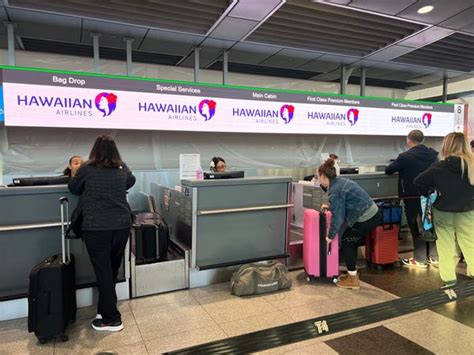
Conclusion: Hawaiian Airlines Navigates Cyber Turbulence
The cyberattack on Hawaiian Airlines represents yet another wake-up call for the aviation industry, underscoring the urgent need for enhanced cyber defenses and crisis response capabilities. Although the airline’s rapid reaction and collaboration with federal authorities have contained the immediate threat, the breach exposes systemic vulnerabilities that extend beyond a single carrier.
With cyberattacks on airlines becoming more frequent and sophisticated, regulators, airlines, and cybersecurity experts must collaborate to fortify aviation’s digital infrastructure. As investigations continue, Hawaiian Airlines’ transparent communication and proactive security measures will be closely scrutinized, shaping how the industry evolves to meet the escalating cybersecurity challenges of the modern era.
For passengers, the immediate message is one of reassurance—flights remain unaffected, safety is not at risk, and the airline is committed to safeguarding its systems and customer information. But beneath the surface, the Hawaiian Airlines cyberattack signals that the battle for aviation cybersecurity is far from over.