
Hawaiian Airlines has found itself at the epicenter of a cybersecurity crisis, an event that has raised alarm bells across the aviation sector. Disclosed on June 26, 2025, the airline admitted that a malicious cyber event had compromised parts of its IT infrastructure. While the airline affirms that all flights are operating safely and on schedule, the deeper implications of this breach stretch beyond immediate travel disruptions, touching on broader concerns about the resilience of aviation cyber defenses and passenger data protection.
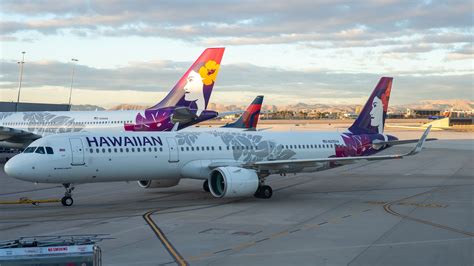
Immediate Fallout: Hawaiian Airlines Responds to the Cybersecurity Event
As the incident unfolded, Hawaiian Airlines wasted no time activating its crisis response protocols. With passenger safety at stake, the airline quickly deployed cybersecurity experts and engaged federal authorities to investigate the breach. In a public statement, the airline acknowledged the attack had disrupted “some of its IT systems,” although the specific nature of the attack—whether ransomware, data exfiltration, or a systems compromise—remains undisclosed.
Despite operational setbacks behind the scenes, flight operations have continued without interruption, thanks to the airline’s pre-established contingency planning. Critical systems such as flight planning, crew scheduling, and communication networks appear to have been isolated or shielded from the attack’s impact. This swift response underscores the airline’s commitment to minimizing service disruption and maintaining customer trust during a moment of technological vulnerability.
Federal Aviation Administration Assures Safety, Enhances Oversight
In the aftermath, the Federal Aviation Administration (FAA) has taken an active role, monitoring the situation in close coordination with Hawaiian Airlines. According to the FAA, flight safety has not been compromised, and the National Airspace System (NAS) continues to operate with full integrity.
This reassurance is not merely procedural. The NAS is a complex, interwoven network of radar systems, air traffic control operations, digital flight plans, and airport management software. Any breach in an airline’s systems—even those unrelated to in-flight systems—has the potential to ripple into this national framework. FAA officials confirmed that they have verified compliance with cybersecurity protocols and continue to audit Hawaiian Airlines’ systems as part of a broader federal oversight campaign into aviation-related cyber threats.
Behind the Firewalls: What’s at Stake in an Airline Cyberattack
Although no customer data theft has yet been confirmed, the risks posed by such breaches are immense. Airline IT systems manage a wealth of sensitive information, including:
- Passenger identification data (PID) and frequent flyer account details
- Payment processing and billing records
- Flight manifest and crew scheduling software
- Gate operations, baggage tracking, and logistics tools
- Real-time maintenance diagnostics and aircraft performance data
If any of these databases were accessed, the implications could include identity theft, fraud, operational disruption, and even national security concerns. Airlines, like hospitals and critical infrastructure providers, are increasingly targeted by sophisticated cybercriminal organizations, some with possible state sponsorship.

Alaska Air Group and the Domino Effect
The breach has also sparked questions surrounding Alaska Air Group, the parent company that acquired Hawaiian Airlines in 2024. While Alaska Airlines’ systems remain unaffected at the time of writing, interconnected data sharing, common vendor platforms, and shared network resources mean that a breach in one airline could potentially pose risks to others within the same group.
Cybersecurity analysts warn that attackers often use initial breaches as footholds to expand their access laterally across a corporate network. This is especially dangerous when companies operate joint loyalty programs, share maintenance systems, or centralize HR and payroll IT functions. As such, Alaska Air Group has likely activated its cyber defense protocols, running internal audits to ensure containment of the threat and cross-platform integrity.
A Growing Pattern in the Aviation Industry
Hawaiian Airlines is not the first airline to face a cybersecurity breach, but this event fits into a worrying pattern of increasing cyber incidents targeting aviation.
In recent years:
- British Airways suffered a massive data breach in 2018, compromising over 400,000 customer records.
- Air India reported a data breach in 2021 involving passenger data stored by a third-party service provider.
- SITA, a major IT provider for global airlines, disclosed a breach affecting multiple major carriers.
These attacks highlight a crucial fact: airlines are data-rich, infrastructure-heavy targets, making them extremely attractive to cybercriminals. In the digital age, airlines must defend not only their aircraft but also the entire digital ecosystem that underpins their operations.
The Hidden Costs: Rebuilding Trust and Infrastructure
The true cost of a cybersecurity breach in aviation goes far beyond the financial penalties or technical repair bills. It involves rebuilding trust—with customers, regulators, investors, and employees. Passengers who entrust airlines with personal information and rely on them for safe, reliable transportation may hesitate to book flights with carriers perceived as vulnerable.
Moreover, the process of forensic investigation, regulatory reporting, system audits, and codebase patching can stretch over months or even years. Airlines must collaborate with law enforcement, cybersecurity vendors, IT contractors, and international regulators, particularly when international routes and data cross-border jurisdictions are involved.
There are also implications for insurance costs, compliance penalties under laws like GDPR and the California Consumer Privacy Act (CCPA), and potential class-action lawsuits if customer data is confirmed to have been compromised.
Lessons for the Future: Hardening Aviation Cybersecurity
This crisis serves as a wake-up call for the entire aviation industry to take cybersecurity more seriously. The attack on Hawaiian Airlines is just one episode in a growing theater of cyber warfare aimed at civilian infrastructure. Experts recommend a multi-tiered approach to cyber defense in aviation:
- Zero-trust architecture for all internal IT systems
- Regular penetration testing and third-party audits
- Encryption of sensitive customer and operational data
- Redundancy and backup systems for critical flight operations
- Staff training to recognize phishing and social engineering tactics
Additionally, collaboration between airlines, federal agencies, and the private cybersecurity sector is vital. Information sharing platforms, coordinated incident response playbooks, and real-time threat intelligence can mean the difference between isolated damage and industry-wide collapse.
Final Thoughts: A Crisis Contained, But Not Forgotten
As Hawaiian Airlines continues to manage the fallout from this cybersecurity event, it’s clear that the damage was contained early and mitigated professionally. With no compromise to passenger safety and flight operations ongoing, the airline has demonstrated a resilient and rapid response. However, this incident is far from trivial. It shines a spotlight on the aviation industry’s increasing exposure to digital threats and the urgent need for comprehensive protection strategies.
Both Hawaiian Airlines and Alaska Airlines are likely to emerge more cyber-hardened, and the FAA’s proactive stance reaffirms public confidence in air travel. Still, the question remains: How prepared is the rest of the industry for the next digital attack? The skies may remain clear for now, but the battle for cybersecurity superiority is far from over.