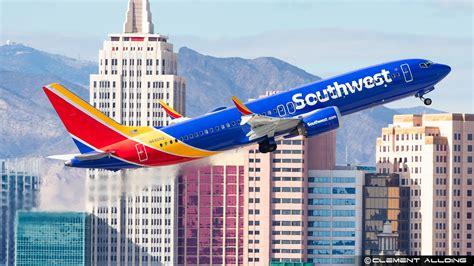
For years, Southwest Airlines represented something almost unique in the aviation industry: an airline brand built less around luxury and more around trust, simplicity, and customer-friendly policies. While competitors invested heavily in premium cabins, airport lounges, and complex fare structures, Southwest created loyalty by promising passengers an easier experience. The airline became famous for its straightforward approach, including free checked bags, simple fares, and a consistent product that millions of travelers understood.
However, that long-standing reputation has now changed. According to Brand Finance’s Airlines 50 2026 report, Southwest Airlines is no longer ranked as the world’s strongest airline brand. After holding the top position for several years, the US carrier has fallen behind All Nippon Airways (ANA), which claimed the highest brand strength ranking with a score of 90.2 out of 100 and a prestigious AAA+ rating.
Southwest remains one of the strongest airline brands worldwide, earning an 89.1 Brand Strength Index (BSI) score and an AAA rating, but the shift represents a significant moment in the company’s history. The airline’s decline was not caused by a sudden operational failure or customer service collapse. Instead, it reflects a deeper transformation: Southwest began changing the very policies that made its brand different from every other major airline.
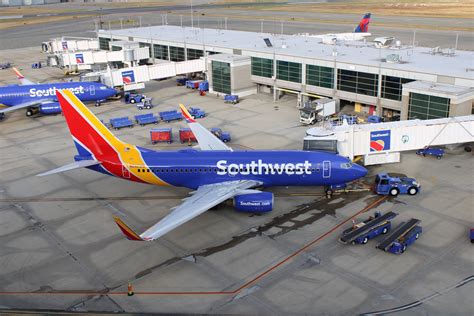
ANA Becomes the World’s Strongest Airline Brand With Exceptional Customer Experience
The rise of All Nippon Airways to the top of the airline brand rankings highlights a major trend in global aviation: passengers increasingly value quality, reliability, and premium experiences when judging airline brands.
ANA achieved its leading position through consistent performance across multiple categories measured by Brand Finance. The organization evaluates airline brands using factors such as customer reputation, emotional connection, passenger preference, recommendation likelihood, and operational performance. These combined measurements create the Brand Strength Index, which reflects how strongly customers perceive an airline.
ANA’s success has been built over many years rather than through a single campaign or product launch. The Japanese airline expanded its international network throughout the 2020s while maintaining the service standards that have traditionally defined Japanese aviation. Routes connecting Tokyo with major destinations across North America and Europe helped strengthen ANA’s global presence, while investments in cabin products improved its reputation among international travelers.
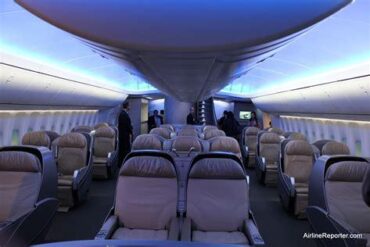
The airline’s premium offerings have also played an important role. ANA’s The Room business class on the Boeing 777-300ER became one of the most recognized long-haul business class products in the world, offering private seating, direct aisle access, and a high level of comfort. Future products such as the Room FX business class suite on the Boeing 787-9 demonstrate ANA’s continued focus on improving the passenger experience.
ANA’s achievement shows that airline brands can grow stronger when they consistently deliver value through service, innovation, and reliability. The airline did not become number one by changing what customers loved about it. Instead, it strengthened the qualities that passengers already associated with the brand.
Why Southwest Airlines Dropped From First Place to Second Place
Southwest Airlines’ fall in the rankings was relatively small in numerical terms but significant in symbolic importance. The airline’s BSI score declined from previous levels to 89.1, placing it behind ANA and tied with Japan Airlines (JAL) for second place globally.
The difference between Southwest and ANA was only 1.1 points, showing that Southwest remains highly respected among airline brands. However, the ranking revealed a shift in passenger perception. The policies that once separated Southwest from traditional airlines became the same policies the company decided to remove.
The biggest changes involved two areas that were central to Southwest’s identity: Bags Fly Free and the airline’s traditional single-class cabin model.
In 2025 and 2026, Southwest began moving away from its historic approach by introducing checked baggage fees and creating more differentiated fare options, including basic economy-style products. These decisions were designed to increase revenue and align Southwest more closely with the rest of the airline industry.
From a financial perspective, these changes made strategic sense. Airlines around the world have increasingly relied on additional fees and segmented products to improve profitability. Charging for checked bags, selling preferred seating, and offering different levels of service allow carriers to capture more revenue from passengers willing to pay for additional benefits.
However, from a branding perspective, the changes created a challenge. Southwest’s strength came from being different. The airline was not simply another carrier offering flights between destinations. It represented a simpler alternative to the complicated pricing structures used by competitors.
For many passengers, Southwest’s promise was easy to understand: pay for a ticket, bring your bags, and enjoy a straightforward travel experience. Removing those benefits changed the emotional connection customers had developed with the airline.
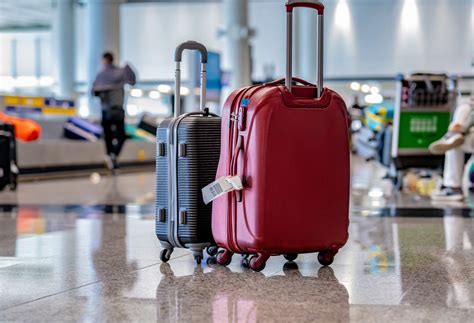
How Bags Fly Free Became Southwest’s Most Powerful Brand Symbol
Southwest’s Bags Fly Free policy was more than a pricing decision. It became one of the most successful airline marketing strategies of the modern era.
When Southwest introduced the policy in 2008, the airline made a deliberate choice not to follow competitors that were adding checked baggage fees. At the time, major US airlines were searching for new sources of revenue, and baggage charges quickly became common across the industry.
Southwest turned its refusal to charge bag fees into a competitive advantage. Through nationwide advertising campaigns, the airline transformed a simple policy into a powerful message: customers could trust Southwest to avoid unnecessary fees.
The strategy worked because it addressed one of the biggest frustrations travelers had with flying. Airline tickets often appeared inexpensive at first, only for passengers to discover additional costs during the booking process. Southwest positioned itself as the airline that offered transparency.
The same philosophy applied to Southwest’s traditional operating model. The airline operated a single economy-style cabin without first class, premium economy, or basic economy restrictions. Passengers did not need to understand complicated fare rules or pay extra simply to select a seat.
This simplicity became Southwest’s brand identity. The company was not competing with airlines such as Delta Air Lines or United Airlines by offering better lounges or luxury cabins. Instead, Southwest competed by making air travel easier to understand.
That approach created strong emotional loyalty. Many customers recommended Southwest because they believed the airline treated passengers more fairly than competitors. This type of trust contributed directly to the airline’s strong brand strength scores.
Japan Airlines Joins ANA Among the World’s Strongest Airline Brands
The 2026 rankings also revealed a broader success story for Japanese aviation. Alongside ANA’s first-place position, Japan Airlines achieved a major improvement by reaching a BSI score of 89.1, tying Southwest for second place.
Japan Airlines’ rise demonstrates how airlines can strengthen their brands through investment in customer experience and innovation.
JAL expanded international services while improving its onboard products. The airline introduced advanced premium cabins, including new business class suites on the Airbus A350-1000, while maintaining the high service standards associated with Japanese hospitality.
The airline has also invested in digital improvements. Initiatives such as integrated travel platforms that connect air transportation with other forms of mobility have helped JAL become more useful throughout the entire travel journey, not only during the flight itself.
The contrast between Japanese carriers and Southwest is one of the most important lessons from the rankings. ANA and JAL improved their positions by adding value through better products and services. Southwest’s ranking declined because it removed some of the features that customers most strongly connected with its identity.
The issue was not that Southwest became a weaker airline. Instead, it became a different airline.
Southwest’s Brand Value Is Rising Despite Lower Brand Strength
Although Southwest lost its position as the strongest airline brand, the company’s overall brand value continues to grow.
This difference between brand strength and brand value is important. Brand strength measures how customers feel about and interact with a brand. Brand value measures the financial worth of the brand as an asset, influenced by revenue, market performance, and future earning potential.
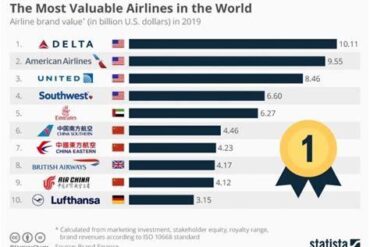
According to the 2026 report, Southwest’s brand value increased by approximately 5% to $6.7 billion despite the decline in brand strength rankings.
The reason is simple: the same changes that weakened some aspects of customer perception may increase revenue. Baggage fees generate additional income. Basic economy fares create more pricing flexibility. Assigned seating allows Southwest to charge for preferred locations and additional services.
From a business perspective, Southwest is attempting to evolve its model to compete in a more financially demanding airline environment.
The challenge is whether the airline can maintain customer loyalty while adopting practices that passengers historically associated with other carriers. Southwest’s future success may depend on finding a balance between higher revenue and preserving the trust that built the brand.
Southwest Airlines Is Entering a New Era of Brand Transformation
Southwest Airlines’ decline from the world’s strongest airline brand does not represent the end of its reputation. An AAA rating and a second-place global ranking still place the airline among aviation’s elite brands.
The more important question is whether Southwest can successfully redefine itself without losing the qualities that made it famous.
For nearly five decades, Southwest succeeded because it offered something simple: a more friendly, transparent, and predictable way to fly. That identity separated it from competitors and created a rare level of passenger loyalty.
Now the airline is entering a new chapter. It must prove that modernization does not require abandoning the customer-focused philosophy that made Southwest successful.
ANA’s rise shows that strong airline brands are built through consistency and meaningful improvements. Southwest’s challenge is different: it must transform its business model while convincing passengers that the airline they trusted is still there.
The company may no longer be the world’s strongest airline brand according to Brand Finance, but the story is far from finished. The next few years will determine whether Southwest’s changes represent a successful evolution or a costly trade-off between financial growth and brand identity.