Southwest Airlines, as the largest domestic carrier in the United States, operates an extensive network of hub airports that play a crucial role in its point-to-point strategy. Unlike traditional legacy carriers that rely heavily on a centralized hub-and-spoke system, Southwest utilizes multiple key focus cities to optimize connectivity across regions. Yet, not all hubs are created equal—especially from a layover perspective, which can differ dramatically based on airport amenities, ease of navigation, food options, and crowd control.
In this deep dive, we rank Southwest’s most notable hubs strictly from a transit passenger’s viewpoint, setting aside origin-based factors like TSA wait times or ground transport access. Our analysis is shaped by firsthand reports, airport infrastructure quality, and consistent passenger experiences.
Dallas Love Field (DAL): The Gold Standard of Southwest Hubs
Dallas Love Field, or DAL, reigns supreme among Southwest hubs. As the airline’s spiritual and operational nucleus, DAL is practically synonymous with the Southwest brand. With 95% of gates operated by Southwest, it’s essentially a single-carrier airport, leading to an unusually seamless and efficient passenger experience.
The terminal layout is straightforward, ensuring travelers won’t get lost or waste time between gates. This simplicity is invaluable during short layovers. Dining options, notably Whataburger and Dickey’s Barbecue Pit, provide regional flair without resorting to overpriced chains.
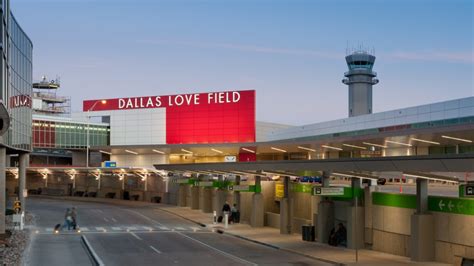
Beyond dining, travelers note fast-moving TSA lines, logical gate organization, and minimal walking distances—critical for quick turnarounds or tight connections. Though some users complain about limited restroom availability, savvy travelers know where to find quiet, often-empty facilities immediately post-security.
Verdict: DAL sets the gold standard for Southwest layovers. Its compact design, dining variety, and efficient security make it a top-tier experience.
Denver International Airport (DEN): Spacious, Reliable, and Well-Equipped
Denver International Airport (DEN) is a strategic powerhouse in Southwest’s network. Known for reliability and space, it caters exceptionally well to connecting passengers. Despite being one of the largest airports in North America by land area, Southwest’s gates are conveniently centralized, mostly within Concourse C.
The Centurion Lounge, a rare luxury in Southwest-heavy terminals, adds a premium touch for eligible travelers. Moreover, DEN offers ample seating, clean facilities, and abundant food options, which is crucial during layovers exceeding 90 minutes.
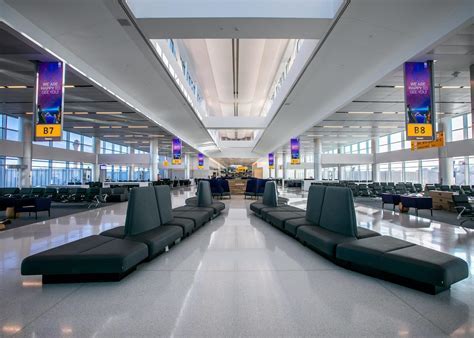
While navigating the airport train system may intimidate newcomers, seasoned flyers appreciate how efficiently DEN handles volume. Unlike Orlando or LAX, it rarely feels chaotic, even during peak hours. Its weather resilience and punctual operations further elevate its reputation.
Verdict: A well-designed hub with comfort, space, and solid dining/lounges. Excellent for long layovers and high passenger volumes.
Baltimore/Washington International (BWI): Affordable Eats and East Coast Convenience
Located strategically between two major metro areas, BWI has earned praise for its reasonable food prices and intuitive layout. Unlike many U.S. airports, BWI enforces street-level pricing, allowing travelers to enjoy meals without typical airport markups—a rarity that makes layovers here more enjoyable.
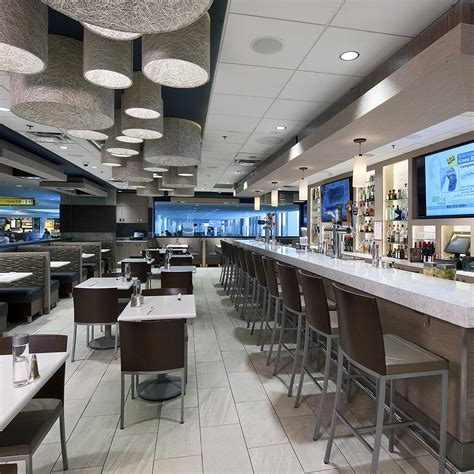
Though BWI’s amenities aren’t flashy, efficient gate access, decent seating, and quiet corners for productivity earn it high marks. The terminal’s east coast proximity allows quick access to major cities, making it a functional midpoint in Southwest’s routing matrix.
However, some passengers have flagged limited West Coast connections, which can require multiple stops. Also, inconsistent luggage handling has marred a few experiences, although this appears to be the exception rather than the rule.
Verdict: Solid mid-tier hub with uniquely affordable dining and efficient gate transitions. A dependable layover option, especially for East Coast travel.
Houston Hobby (HOU): A Texas Staple with Culinary Surprises
Houston Hobby Airport (HOU) delivers a laid-back yet effective layover experience, anchored by solid infrastructure and unexpectedly diverse food options. Travelers have noted the presence of Buffalo Wild Wings and other unique spots rarely seen in airport terminals.
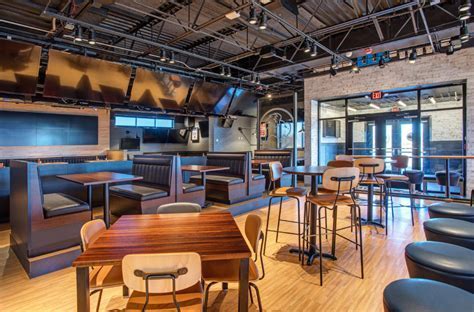
While HOU may lack the polish of DAL, its manageable size ensures stress-free transfers. Despite being in a bustling metro area, the airport often feels calm and is easy to navigate. TSA checkpoints tend to be moderately paced, but gate congestion is minimal.
Though its appearance feels dated to some, the hub is functional. The terminal underwent significant renovations, and the improvements in seating, Wi-Fi, and restrooms have been appreciated.
Verdict: An underrated layover hub with great food and minimal confusion. Strong performer among mid-sized Southwest terminals.
Oakland International (OAK): The Quiet Efficiency of the Bay Area
While not as expansive as SFO, Oakland International Airport (OAK) is Southwest’s Bay Area stronghold. It’s consistently ranked high for ease of use and overall comfort. With low congestion and an uncluttered terminal, travelers often describe it as a “breath of fresh air.”
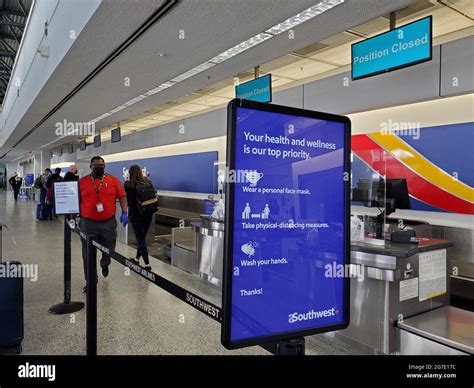
Though dining is limited, clean facilities and minimal walking distances make it ideal for quick stops. The lack of delays, relative quiet, and easy gate navigation combine to offer a peaceful reprieve during a cross-country journey.
However, OAK’s biggest drawback is its limited amenities, especially compared to DEN or DAL. There are few high-end food outlets, and the terminal feels outdated. Still, it remains a top-tier layover hub thanks to operational smoothness and simplicity.
Verdict: Simple, calm, and reliable—ideal for travelers prioritizing function over frills.
Phoenix Sky Harbor (PHX): A Southwest Fortress with Room to Grow
PHX serves as a massive transit center in Southwest’s system. The airline commands an impressive footprint across Terminals 3 and 4, providing numerous direct options and plenty of available gates.
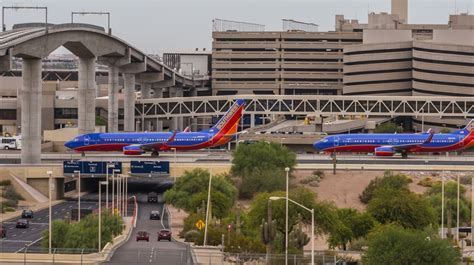
On the ground, PHX is clean and well-staffed, but the passenger experience varies by terminal section. Some concourses offer decent seating and food options; others lag behind. Construction and modernization efforts are ongoing, which sometimes disrupt the flow.
PHX performs well for basic needs, though it lacks standout amenities or a clear design philosophy. However, its reliability in weather, quick taxi times, and solid on-time performance help offset the weaker spots.
Verdict: A reliable but uneven experience, with strong routing potential but inconsistent passenger comforts.
Chicago Midway (MDW): Functional Chaos at Its Peak
Chicago Midway is a divisive hub. On one hand, its central location and large Southwest presence offer immense connectivity. On the other, travelers consistently complain about poor food, cramped space, and frequent delays.
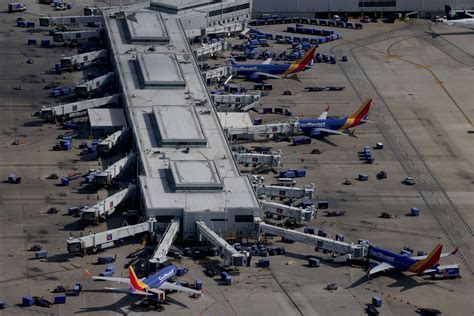
The WWII memorial is a rare highlight, but otherwise, the terminal suffers from aging infrastructure, slow medical response protocols, and understaffed dining services. TSA lines are notoriously long—even PreCheck passengers have waited 45 minutes or more.
Despite its logistical importance, MDW is viewed by many as a last-resort connection point rather than a preferred hub.
Verdict: High volume, low comfort. Efficient only if everything goes smoothly. One of the weaker Southwest layover experiences.
Los Angeles International (LAX): Designed for Departures, Not Connections
Though a major market, LAX is fundamentally an origin/destination (O&D) airport, not a layover hub. Terminal 1, used by Southwest, is modern but poorly integrated with the rest of the airport. There’s little seating, underwhelming dining, and poor signage for transfers.
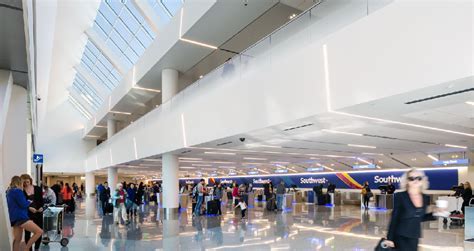
LAX’s strength lies in its destination appeal rather than convenience. Long walks, security bottlenecks, and lack of cohesive design make it a frustrating experience for transiting passengers. Unless you’re ending your journey in LA, this is best avoided for layovers.
Verdict: Visually improved but logistically flawed. Not designed for connecting traffic and it shows.
Orlando International (MCO): Kid-Packed and Loud
MCO is one of Southwest’s busiest destinations, yet it remains a polarizing layover hub. Designed primarily to funnel tourists into Central Florida, it is not tailored for layover convenience. Passengers cite crowded terminals, screaming children, and limited quiet spaces as core issues.
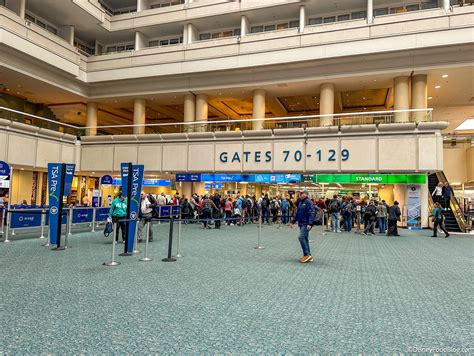
Its dining options are serviceable, but overrun with lines. Boarding processes are chaotic, and the gate areas lack sufficient seating. The overall energy is one of constant rush and noise, exacerbated by a surge of infrequent travelers unfamiliar with basic airport etiquette.
Verdict: Layover hell for the peace-seeking traveler. Functional only if you’re flying with kids or en route to Disney.
Nashville International (BNA): Under Construction and Underwhelming
Once known for its southern charm and modest terminal size, BNA is now a construction zone. Ongoing expansions have led to frequent delays, tight gate areas, and uncertain boarding procedures. While the finished result may be worth the wait, it’s currently an unstable layover experience.
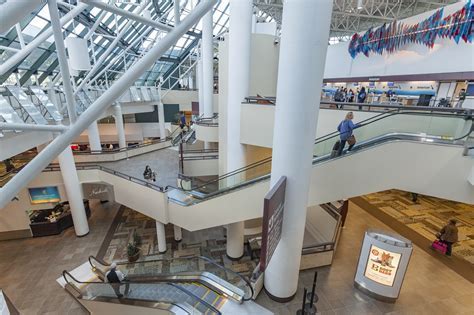
Though delays plague many flights, some travelers still appreciate the airport’s regional food outlets and music-themed décor. But until the renovations are complete, BNA remains an avoid-if-possible hub for connections.
Verdict: A hub in transition—literally. One of the least dependable choices until improvements stabilize.
Final Rankings: The Best and Worst Southwest Hubs for Layovers
Top Tier
- Dallas Love Field (DAL)
- Denver International (DEN)
- Baltimore/Washington (BWI)
Mid Tier
- Houston Hobby (HOU)
- Oakland International (OAK)
- Phoenix Sky Harbor (PHX)
Bottom Tier
- Chicago Midway (MDW)
- Los Angeles International (LAX)
- Orlando International (MCO)
- Nashville International (BNA)
Each of these hubs plays a vital role in Southwest’s national network. But from a layover standpoint, convenience, comfort, and amenities matter most—and the airports at the top of this list deliver where it counts.