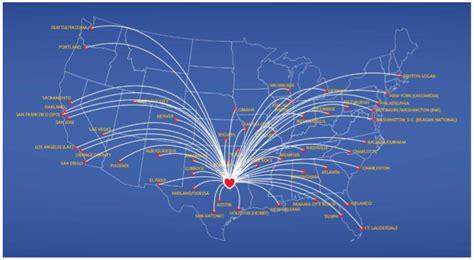
Southwest Airlines is dramatically reshaping its international operations, announcing the removal of 11 international routes as it recalibrates its network toward more profitable domestic hubs. Since launching its first international flight in July 2014, Southwest has carried nearly 40 million international passengers, yet these flights have consistently represented a modest 2% of total traffic, highlighting the limited role global markets have played in the airline’s expansion strategy. Despite steady growth over the years, 2025 saw the airline carry just four million international passengers, a decline of 12% from its 2018 peak, illustrating a broader retrenchment in its overseas ambitions.
Strategic Pullback from Key Markets
The cuts span critical routes from Baltimore, Chicago, and Colorado Springs, reflecting a strategic decision to streamline operations and consolidate flights where demand and efficiency are strongest. Routes such as Baltimore to Los Cabos, Chicago Midway to Los Cabos, Chicago O’Hare to Cancun, and Colorado Springs to Cancun have been discontinued. Notably, the Colorado Springs-Cancun service, which marked the city’s first international route, struggled with one of the lowest load factors across Southwest’s network, underscoring why the airline chose to exit these markets.
The shift away from Chicago O’Hare International Airport is particularly significant. Southwest will consolidate its Chicago operations at Midway (MDW), which ranks as the airline’s fourth busiest airport by departures. ORD, introduced to Southwest’s network in 2021, had hosted 13 routes, yet the lone international connection to Cancun saw load factors drop to 83.4% in 2025, the lowest in four years, signaling reduced profitability and demand.
Additional International Reductions
Beyond these major hubs, seven other international routes have been terminated. Fort Lauderdale to Montego Bay, Indianapolis to Los Cabos, and Kansas City to Montego Bay are among those impacted, with several routes operating seasonal or limited flights. Some of these reductions may also have been influenced by external factors such as hurricanes impacting Caribbean destinations, particularly Jamaica, which saw multiple services curtailed. Additional cuts include Milwaukee to Cancun, Nashville to Montego Bay, Nashville to San José in Costa Rica, and St. Louis to Puerto Vallarta, many of which only operated on a weekly or Saturday-only schedule, leaving room for possible seasonal reinstatement in 2027.
Q3 2026 International Operations
Looking ahead to Q3 2026, Southwest plans an average of 40 daily international departures, reflecting a diverse but selectively targeted international network. Flight activity will vary, with the lowest numbers on Tuesdays and Wednesdays (22 departures) and the highest on Saturdays (87 departures), largely influenced by weekend-only routes. Southwest’s network will cover 65 international routes across 21 U.S. airports, with Orlando, Houston Hobby, and Atlanta among the top hubs. Orlando will host up to 15 daily flights to international destinations, while Baltimore and Phoenix will maintain more modest activity levels.
The airline’s approach highlights a deliberate shift toward efficiency and concentration of resources, reducing low-performing international routes while maintaining strategic access to key vacation and business destinations. This adjustment not only aligns with Southwest’s historically domestic-focused business model but also reflects broader trends in the U.S. airline industry, where carriers are increasingly prioritizing profitability over route proliferation.
Implications for Passengers and Future Expansion
For passengers, the cuts may require adjustments in travel planning, particularly for Caribbean and Mexican resort destinations formerly served from secondary airports. While some of the limited-schedule routes may return seasonally, the emphasis will likely remain on high-demand corridors where Southwest can achieve optimal load factors. Analysts note that the consolidation could strengthen the airline’s operational efficiency, allowing it to reinvest in domestic growth and more profitable international routes, ultimately benefiting frequent flyers with more reliable service on key hubs.
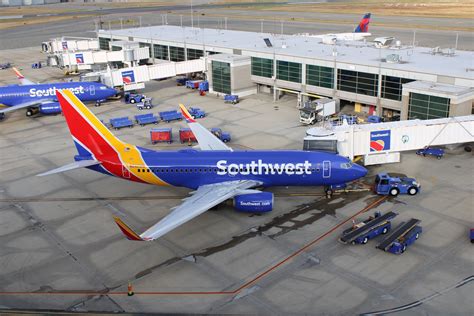
As the airline recalibrates its international footprint, it becomes evident that Southwest is embracing a focused, data-driven strategy, balancing customer demand with operational sustainability. By streamlining less profitable international services and reinforcing core domestic hubs, Southwest aims to solidify its competitive advantage, ensuring that growth remains sustainable while maintaining its reputation for affordable and reliable air travel. The airline’s evolution signals a pragmatic acknowledgment that while international markets offer visibility, domestic efficiency remains the backbone of Southwest’s long-term strategy.