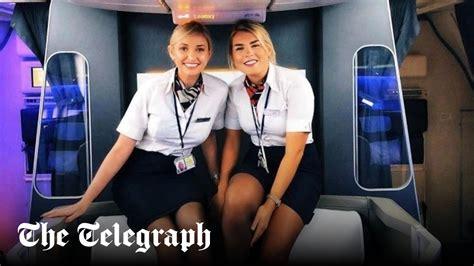
In a move that underscores growing concerns about crew security in the digital age, British Airways has implemented a sweeping new social media policy that bans its cabin crew from sharing any photos or videos taken within or around their layover hotels. The decision, which has already stirred debate both inside and outside the aviation industry, signals a dramatic tightening of the airline’s previously semi-lenient guidelines regarding employee-generated content.
This latest directive prohibits crew members from posting seemingly innocent content such as GRWM (Get Ready With Me) videos, poolside selfies, and even neutral shots from inside hotel rooms. British Airways justifies the measure as a proactive step to mitigate the risk of terrorists and malicious actors using advanced AI-driven image recognition tools to identify hotel locations, potentially endangering staff.
A Heightened Response to AI-Driven Threats
The airline’s updated stance reflects broader anxieties about how artificial intelligence can be leveraged to extract geographic metadata or identify visual patterns from backgrounds in photos. According to internal communication, British Airways fears that even the most innocuous post — like a view from a window or a patterned carpet — could offer clues that geolocate crew accommodation.
Previously, employees were already banned from naming or tagging the exact location of their layover hotels. However, the policy allowed for anonymous photos from within hotel premises, provided that no identifying information was shared. That flexibility has now vanished.
Crew are instructed to go back through their social media history and delete all visual content that even remotely links to a layover hotel. This includes:
- Videos of crew preparing in bathrooms or bedrooms.
- Sunset shots from hotel balconies or pools.
- Candid photos with colleagues in hotel lobbies.
- Transit bus images ferrying them from the airport to hotels.
GRWM and OOTD Videos Now Off-Limits
Among the most notable casualties of this new policy are the immensely popular GRWM and OOTD (Outfit of the Day) videos. These formats, where cabin crew document their morning routines or uniforms before duty, have become viral staples on platforms like Instagram, TikTok, and YouTube.
Many of these videos, while polished and aspirational, were filmed in hotel rooms across destinations like Singapore, Cape Town, and the Maldives. British Airways now deems such content a potential security liability.
Legacy of Social Media Tensions at British Airways
This isn’t the airline’s first crackdown. In February 2023, British Airways enacted a strict policy banning cabin crew from posting any content while “professionally engaged”. This included:
- Videos of pre-flight security checks.
- Time-lapse clips from the galley.
- Photos inside aircraft engines or on tarmacs.
- Crew rest bunk tours.
These bans were justified as safeguarding brand reputation and operational security, but they ignited a firestorm within the crew community. Staff members argued that such policies damaged morale and suppressed authentic employee storytelling.
In response to the backlash, British Airways offered a partial retreat, allowing social media content to be posted as long as employees were off duty, in correct uniform, and followed basic decorum. Now, however, this latest edict completely overrides those concessions.
A Policy at Odds with Global Airline Norms
While protecting crew identities and accommodation details is a reasonable safety precaution, British Airways’ heavy-handed policy places it in stark contrast with many international carriers.
Competitors like Emirates, Lufthansa, and Delta have leaned into social media, often amplifying content shared by crew members to humanize their brand. Some even run dedicated employee influencer programs to bolster recruitment and engagement.
Ironically, Qatar Airways—long seen as one of the most controlling airlines regarding staff social presence—has recently taken a more relaxed approach. In a bid to enhance employee happiness and brand loyalty, Qatar has softened restrictions and embraced curated content from staff, particularly in lifestyle contexts.
The Logic — And Limits — of Secrecy
It’s no secret within the aviation world that crew often stay at the same handful of hotels in major cities. These locations are frequently used by multiple airlines, and many can be identified simply by spotting a group of uniformed crew walking through the lobby.
Thus, critics argue that British Airways’ policy may be largely symbolic rather than functional. Even without photos, the actual locations of crew hotels remain discernible to any observer with patience and knowledge of the industry.
One unnamed crew member told a popular aviation forum:
“We don’t go incognito. Everyone at the hotel knows who we are, and so do the locals. This policy is punishing us for a risk that already exists, whether we post or not.”
Crew Community Reacts with Disappointment and Disbelief
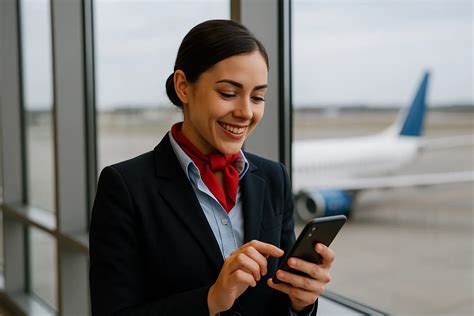
The latest ban has sparked frustration among British Airways staff, many of whom see social media as a harmless way to connect with friends, showcase their travels, and inject personality into their demanding job. For junior crew especially, these platforms are also a form of digital memory-keeping.
One cabin crew influencer with over 30,000 followers expressed dismay:
“I never posted anything that gave away our exact location. Now I’m expected to go back and delete hundreds of posts that meant something to me. It feels like control for control’s sake.”
Another crew member added:
“If safety is the concern, why not just restrict new posts and allow existing ones to fade into irrelevance? Forcing deletions makes it seem like BA wants total erasure, not just caution.”
Striking a Balance Between Safety and Expression
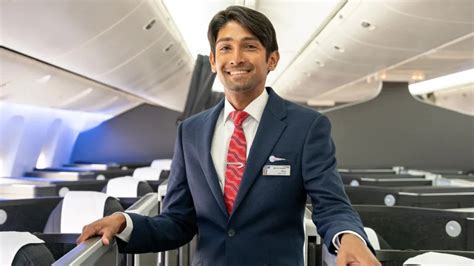
The tension between corporate security and employee expression is not new, but British Airways’ current policy pushes the pendulum firmly toward control. While the threat posed by advanced AI tools is real, critics argue that this could have been managed with moderation, not blanket censorship.
A more balanced approach might involve:
- Educating crew on AI-driven threats without issuing mandates.
- Providing curated content guidelines rather than bans.
- Using a whitelist of acceptable content types.
- Encouraging internal posting channels for morale-building content.
Ultimately, British Airways’ policy raises profound questions about how much control employers should exert over employee identities — especially in industries where lifestyle and brand are inherently intertwined.
A Cultural Shift in the Skies
British Airways has long been a symbol of British tradition, elegance, and discretion. But this policy reveals a shift toward institutional paranoia, potentially at odds with the more transparent, open era of aviation branding.
For an airline striving to attract younger talent, especially Gen Z workers who grew up online, these restrictions could have unintended consequences — alienating prospective employees who see digital storytelling as part of who they are.
The skies may be friendly, but the feed is now forbidden.