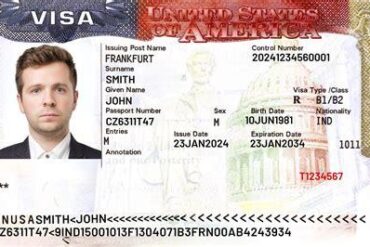
The United States has officially lifted the suspension on processing student visas, heralding a new chapter for countless international students who faced uncertainty during the previous hiatus. This resumption of the F-1 visa program brings relief, yet it comes hand-in-hand with a controversial requirement that applicants must now grant consular officers access to their social media accounts. This significant change is part of a broader initiative aimed at enhancing national security and ensuring that incoming travelers align with American values. While the intention behind this policy shift is to bolster safety, it raises pressing concerns regarding privacy and the implications for students preparing to study abroad.
In May 2025, the U.S. government temporarily paused processing student visas as part of an effort to implement more rigorous digital background checks. This decision, which originated during the Trump administration, left thousands of prospective students in limbo, unable to move forward with their plans for education in the United States. The suspension had a profound impact, causing delays in travel arrangements, housing situations, and class registrations just as the academic year was on the horizon.
With the lifting of the suspension, students are now expected to navigate the new landscape of visa applications under heightened scrutiny. The U.S. State Department has mandated that all applicants for student and exchange visitor visas must set their social media profiles to public, allowing consular officers to peruse posts, messages, and interactions to identify any potential security risks or indications of opposition to U.S. values. The ramifications of failing to comply with this request are severe; non-compliance could lead to outright denial of the visa application, as the government emphasizes that cooperation is essential for national security.
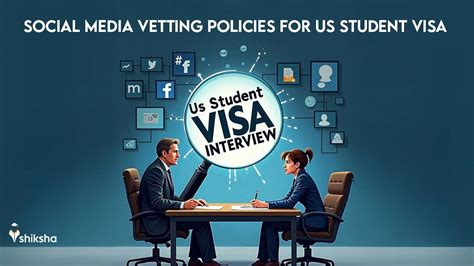
So, what exactly are consular officers looking for in the vast sea of online content? Under these new measures, there is a clear focus on identifying specific types of posts that could signal hostility towards the United States or its governing systems. Consular officers will scrutinize social media accounts for:
- Posts or messages that exhibit animosity toward the U.S. or American culture.
- Comments that challenge or undermine the political systems or societal norms of the United States.
- Any content that might suggest ideological extremism or security concerns.
The U.S. State Department has positioned this policy as a vital element in safeguarding national interests, asserting that every individual entering the country should reflect values consistent with those of the nation. As global security concerns continue to mount, the need for thorough vetting of potential visitors has never been more pronounced.
Despite the procedural changes, the fundamental steps for applying for an F-1 student visa remain relatively unchanged. However, applicants must ensure that their social media profiles are publicly accessible before attending their visa interview. Here’s a brief overview of the application process:
- Acceptance at a U.S. School: Begin by securing acceptance into a U.S. institution certified by the Student and Exchange Visitor Program (SEVP).
- Obtain Form I-20: Upon acceptance, the school will issue a Form I-20, a critical document for visa processing.
- Pay the SEVIS Fee: This mandatory fee can be settled online and is required for all F-1 visa applicants.
- Complete the DS-160 Form: Fill out the DS-160 form available on the U.S. visa website, a necessary step for your application.
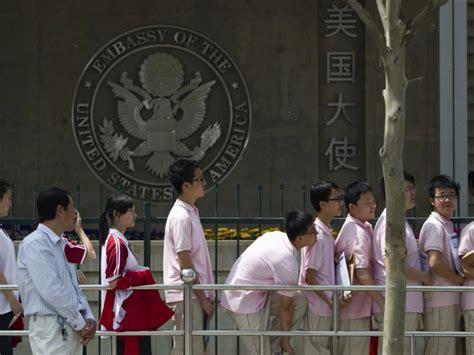
- Schedule a Visa Interview: After submitting the DS-160, arrange for a visa interview at the nearest U.S. embassy or consulate.
- Provide Documents: Bring essential documents to the interview, including your passport, Form I-20, proof of financial support, and academic records.
- Adjust Social Media Settings: Prior to the interview, make sure your social media profiles are public to comply with the new transparency requirements.
The reaction from the global student community has been one of concern and alarm. The requirement for social media transparency raises significant questions about privacy rights and the potential for misinterpretation of online content. Students and advocates for educational rights have voiced apprehensions about how past posts, taken out of context, might jeopardize their chances of obtaining a visa. The ambiguity surrounding what constitutes “hostile” content further complicates matters, leaving many unsure of how to express opinions or engage in political discourse without facing repercussions during the visa application process.
For prospective applicants, careful preparation is paramount under this new rule. Here are some practical steps students can take to navigate the complexities of the application process:
- Review Social Media Activity: Before initiating the visa application, take time to thoroughly review your social media posts and messages. It may be wise to remove any content that could be interpreted as controversial or offensive to U.S. authorities.
- Be Transparent: Avoid making sudden changes to your profiles or deleting content, as these actions may raise suspicions among consular officers.
- Ensure Profiles are Public: Confirm that your social media accounts are accessible to consular officers, complying with the transparency requirement as you prepare for your visa interview.
The United States has long been a favored destination for international students seeking quality education and diverse cultural experiences. However, the increased scrutiny over digital activity necessitates that applicants exercise greater caution and awareness in managing their online presence. The resumption of student visa processing represents a positive development for many eager learners, yet the added requirement for social media transparency marks a significant shift in how the visa application process is conducted.
As the balance between national security and individual privacy becomes increasingly delicate, international students must stay informed and proactive. The new regulations underscore the importance of curating an online image that aligns with the expectations of U.S. consular officers, ensuring a smoother application process. In this new era of U.S. student visas, the interplay of digital transparency and educational opportunity presents both challenges and opportunities for future scholars aiming to study in America.