In a decisive move that has sent ripples across the travel landscape, Ireland implemented new visa requirements for nationals of South Africa and Botswana in July 2024. This policy shift came as a response to rising application volumes, extended processing delays, and intensifying security concerns within Dublin’s immigration framework. Previously, South Africans enjoyed visa-free access to over 100 countries, with Ireland being one of the last European destinations allowing such freedom. This sudden imposition of visa regulations marks a significant change, particularly for travelers merely transiting through Ireland, who are now required to secure a visa in advance.
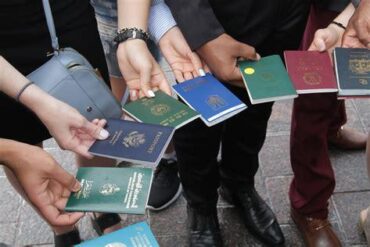
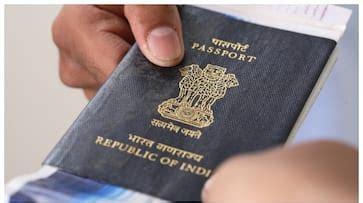
The Irish government cited growing security issues as the primary motivator behind this shift. The increased use of counterfeit South African passports had raised alarm bells within the immigration system. Reports indicate that from 2022 to 2024, several individuals from India and Pakistan attempted to exploit the system by using falsified South African documents to gain entry into Ireland. Such incidents led to a substantial erosion of trust in the legitimacy of documentation presented by travelers from these nations. In an effort to verify authenticity, some airlines even resorted to controversial measures, such as introducing an Afrikaans language test for South African travelers—though this approach was quickly abandoned and not officially sanctioned.
Amid these security concerns, asylum applications from South African nationals surged dramatically, with reports indicating a staggering 100% increase in individuals seeking international protection upon arrival in Ireland. This escalation has put immense pressure on an already stretched immigration system, which is still recovering from post-pandemic influxes. Additionally, the unique travel arrangement known as the Common Travel Area between Ireland and the United Kingdom necessitated this policy alignment; as the UK had already imposed similar restrictions, it became essential for Ireland to maintain consistency in its border protocols.
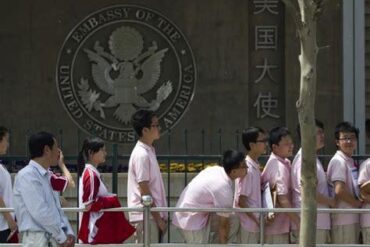
To facilitate the transition to the new visa system, Irish authorities established a specialized “South Africa desk” at the Dublin Visa Office, along with the opening of three Visa Application Centres across South Africa. The aim was to process visa applications within three months. However, the volume of requests quickly exceeded expectations, leading to processing times extending to 16 weeks. This delay resulted in a wave of cancellations affecting family vacations, business trips, and other important travel plans. In response to this bottleneck, the Irish government doubled its visa processing resources, setting a new target of reducing waiting times to four to six weeks. Furthermore, officials announced plans to merge systems for work permits and business travel, streamlining approval processes for those needing expedited service.
The ripple effects of this policy change extend beyond individual travelers, creating substantial challenges across the global travel industry. Travel agencies specializing in Irish tourism have reported increased uncertainty as many clients delay bookings for flights and accommodations, waiting to secure their visas first. This unpredictability disrupts travel forecasting and complicates planning for both agencies and travelers alike.
Moreover, some tourists are opting to switch destinations entirely, seeking countries with quicker visa processing or no visa requirements at all. This shift has diverted vital tourism revenue away from Ireland, impacting its economy during a crucial recovery phase. Travel agents find themselves burdened with added administrative responsibilities, assisting clients with complex visa paperwork and managing frequent follow-ups, particularly for travelers in transit through Ireland to other destinations.
For businesses, the ramifications are equally serious. Delays in visa processing have led to missed conferences, postponed deals, and cancelled training sessions, posing significant risks to companies that rely on short-term mobility. South African businesses with interests in Ireland, viewed as a promising gateway for growth, may need to rethink their expansion strategies or scale back operations temporarily due to the challenges of coordinating logistics and in-person meetings.
The hospitality sector in Ireland is also feeling the impact, with airlines reporting lower passenger loads from South Africa and hotels adjusting forecasts as booking rates fluctuate due to uncertainties surrounding visa processing. As the travel industry grapples with these changes, there remains cautious optimism that the doubling of processing resources and workflow integration will lead to greater efficiency in the visa application process.
If Ireland succeeds in reducing waiting periods to six weeks or less, the situation could stabilize and eventually restore confidence in the country as a secure and welcoming destination. For now, industry stakeholders are advised to remain agile, incorporating contingency time into itineraries, updating clients regularly, and considering local partnerships to support applicants through the visa process.
In the long term, the tightening of security measures may ultimately enhance Ireland’s standing as a safe travel destination, but the industry must navigate the current disruptions with care, especially as global mobility remains delicate in the wake of the pandemic. The true implications of this policy shift will unfold in the coming months, influencing not only the destinations people choose but also how they plan their journeys.