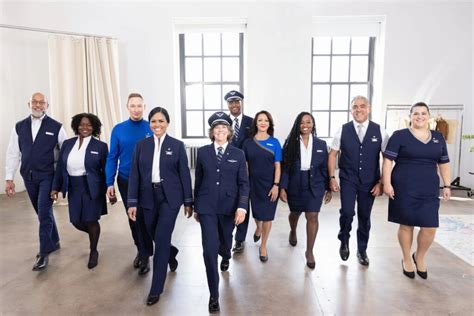
Flight attendants at United Airlines are raising alarms over a contentious clause in the tentative 2025–2030 collective bargaining agreement, which introduces a new ‘on call’ layover rule. Under this provision, flight attendants are expected to be “reasonably available” during layovers, including in major international hubs such as London Heathrow (LHR), Rome Fiumicino (FCO), and Chicago O’Hare International Airport (ORD). While seemingly innocuous, this clause has ignited fierce backlash among crews who view it as a direct infringement on their already limited rest rights.
The Association of Flight Attendants-CWA (AFA-CWA), representing United’s cabin crew, has found itself at the center of this controversy, with members criticizing the union’s about-face on language it previously deemed unacceptable. The clause demands that after federally mandated rest periods, crew members must be reachable and responsive to crew scheduling, a move that potentially opens the door to involuntary reassignments during what was once considered protected downtime.
Rest or Duty? The Blurred Lines of ‘Reasonable Availability’
The heart of the disagreement lies in the ambiguity of the term “reasonable availability”. While the contract doesn’t obligate flight attendants to be on call 24/7, it does require them to acknowledge communications from scheduling after rest periods. This wording has been widely interpreted as creating a gray area between official duty and rest, a loophole that could be exploited to impose additional responsibilities without officially classifying them as work.
This approach marks a sharp contrast to previous communications from the union, which had taken a hardline stance against such provisions. Months ago, the AFA-CWA called similar proposals “unheard of” and publicly celebrated their exclusion from the negotiation table. The sudden reversal has created a rift between union leadership and its members, many of whom now accuse the union of compromising essential quality-of-life protections in favor of marginal gains.
Immediate Reassignments: New Scheduling Policies Stir Concerns
In addition to the layover clause, the agreement includes a requirement for crew members to check their schedules after each flight, even during multi-day trips. The obligation to regularly monitor potential reassignments adds another layer of unpredictability to an already turbulent lifestyle.
Previously, flight attendants could rely on set layovers to recuperate or manage personal needs. Now, the risk of being called back into duty—even during time off in a different country—compromises personal autonomy. The constant connectivity requirement risks turning layovers into another form of workplace presence.
Are Pay Increases Enough?
The deal boasts an average 26.9% pay increase, with a structured scale stretching from year one through year thirteen. By DOS+4, the top pay rate exceeds $96/hour, aligning with what major competitors such as Delta Air Lines currently offer. But for many flight attendants, the monetary gains fail to compensate for what they see as erosions in quality of life.
While on paper the raise appears substantial, industry analysts point out that it merely brings United up to parity, rather than giving it a competitive edge. For many, this reality undermines the negotiation’s perceived value, especially given the extensive changes to rest and availability expectations. Flight attendants expected more robust gains, particularly considering the increased workloads and inflationary pressures experienced in the post-pandemic travel surge.
Improvements to International Layovers
Not all changes in the agreement have drawn criticism. A notable improvement is United’s commitment to enhance lodging quality during extended international layovers. Flight attendants will no longer be placed in suburban or second-rate hotels, a long-standing grievance especially prevalent in cities like Amsterdam (AMS) and London (LHR).
Instead, crews will now have access to hotels located closer to city centers, making layovers more comfortable and practical. This move reflects growing recognition of the toll that poor accommodation logistics can take on crew wellness, performance, and morale. It’s a win that resonates across the workforce, though critics argue it’s not enough to outweigh the contract’s more invasive demands.
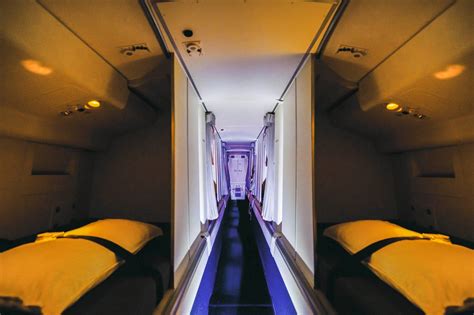
Growing Dissent Among the Ranks
As the July 7 to July 29 voting window approaches, discontent simmers across the airline’s sprawling base of flight attendants. Union roadshows are making stops at major United hubs to explain the contract’s full contents and answer questions, but early feedback reveals a workforce deeply divided over what’s on offer.
Many crew members say the agreement reads more like a cost-cutting blueprint than a contract designed to improve working conditions. The most vocal critics fear that acceptance will set a dangerous precedent—institutionalizing permanent accessibility for flight attendants under the guise of flexibility.
Some union members are also calling for a renegotiation before the vote, arguing that United should not be allowed to redefine rest without legal or regulatory intervention. For others, the issue touches on a larger cultural battle within the aviation industry: one that pits corporate efficiency against worker dignity.
Context: The Labor Landscape in U.S. Aviation
The conflict at United is not occurring in a vacuum. It mirrors wider labor tensions within the U.S. airline industry, especially as legacy carriers attempt to meet skyrocketing post-pandemic travel demand. Airlines face growing scrutiny for practices that push staff to the brink while reporting record profits.
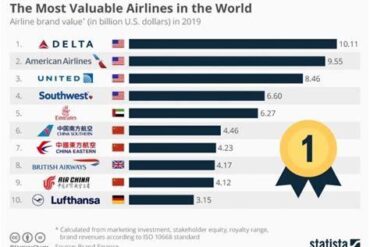
Labor unions across the sector are watching the United negotiations closely, aware that its outcome could influence bargaining dynamics at other carriers. Should the tentative agreement pass, similar “on call” layover clauses might surface at American Airlines, Southwest, and others. Conversely, a rejection could force companies to rethink how far they can stretch labor flexibility.
Union Trust at a Crossroads
At the core of the controversy is a crisis of trust between union leadership and its members. The AFA-CWA has publicly stood behind the deal, framing it as a balanced step forward. Yet, leaked communications and online forums paint a different picture—a growing faction of flight attendants who feel betrayed by what they view as inadequate resistance to company demands.
If the union fails to rally enough support for ratification, it may face internal leadership challenges in the wake of a failed vote. Many see this moment as a litmus test of whether the AFA-CWA is still aligned with the needs of its members or more concerned with appeasing corporate counterparts. The stakes, both immediate and long-term, are high.
The Final Countdown
As the July vote looms, United flight attendants are being urged to carefully examine the full agreement before deciding. While the improvements to pay and lodging are tangible, the erosion of rest sanctity has become the deal’s defining controversy.
Crew members now find themselves at a pivotal crossroads: accept a deal that offers short-term financial benefits but introduces long-term lifestyle compromises, or reject the agreement in hopes of reopening negotiations to secure more robust worker protections. The coming weeks will reveal whether United’s crew is willing to trade availability for advancement—or whether they draw a line in the sand.