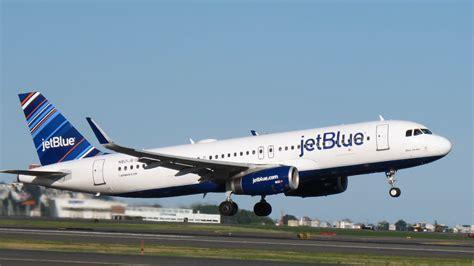
The escalating conflict between JetBlue Airways and its pilot workforce has entered a decisive legal phase, as the airline faces a lawsuit from its own union over the increasingly scrutinized Blue Sky partnership with United Airlines. At the heart of the dispute lies a fundamental question: does collaboration with another carrier come at the expense of pilot job security and contractual protections?
This lawsuit arrives at a precarious moment for JetBlue, which is still navigating the financial and operational fallout from its failed merger with Spirit Airlines and the collapse of its earlier Northeast Alliance. The convergence of legal, financial, and labor pressures is rapidly transforming what was intended as a strategic partnership into a high-stakes corporate challenge.
Blue Sky Partnership Sparks Contractual Showdown
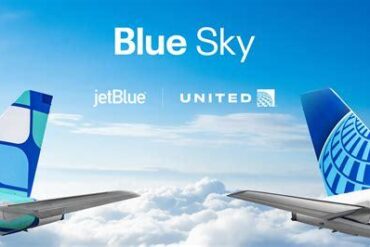
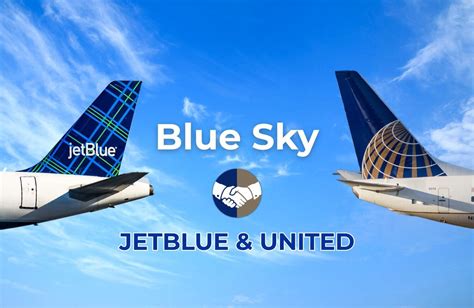
The Blue Sky arrangement was designed to enhance connectivity, expand loyalty offerings, and optimize route networks between JetBlue and United. However, pilots—represented by the Air Line Pilots Association—argue that the deal crosses a critical boundary by outsourcing or “farming out” flying opportunities to another airline, directly undermining their contractual rights.
Unlike typical codeshare agreements, the Blue Sky framework is perceived by pilots as a deeper operational integration. Their concern is not theoretical—it strikes at the core of career progression, income stability, and long-term job security. The union has emphasized that JetBlue has failed to provide binding assurances that its pilots will benefit from, or even be protected under, the arrangement.
When JetBlue declined to submit the dispute to arbitration under the System Board of Adjustment, the union interpreted this as a refusal to engage within established legal frameworks. Under the Railway Labor Act, arbitration is not optional—it is the legally mandated mechanism for resolving such disputes. The lawsuit, therefore, is not just a protest but a procedural move to force the airline into compliance with federal labor law.
Labor Negotiations Intensify After Spirit Merger Collapse
The legal confrontation unfolds against the backdrop of ongoing contract negotiations that began in April 2024, following the abandoned Spirit merger. With mediation support from the National Mediation Board, discussions have centered on substantial improvements in compensation, retirement benefits, and scheduling flexibility.
JetBlue pilots had previously paused contract advancement while the airline pursued strategic expansion through mergers and alliances. That patience has now expired. Union leadership, including Captain Justin Houck, has made it clear that pilots expect industry-aligned pay scales and enforceable job protections, especially as partnerships like Blue Sky introduce operational complexity.
The pilots’ demands reflect broader industry trends, where workforce shortages have shifted bargaining power toward labor groups. In this environment, JetBlue’s strategy of leveraging partnerships to expand capacity may inadvertently intensify its dependence on a workforce that is increasingly willing to assert its leverage.
Echoes of the Northeast Alliance Collapse
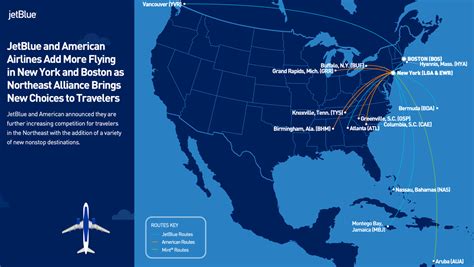
The current dispute bears striking similarities to JetBlue’s previous entanglement with American Airlines under the Northeast Alliance (NEA). That partnership, which coordinated operations in major hubs like New York and Boston, was ultimately dismantled following a federal ruling that it violated antitrust laws.
The legal fallout did not end there. American Airlines subsequently filed a $100 million lawsuit against JetBlue, alleging unmet financial obligations after the alliance’s termination. This sequence of events established a legal and operational precedent that now looms over the Blue Sky controversy.
For pilots, the NEA dispute served as a warning. The same concerns—outsourcing of flying, erosion of bargaining power, and lack of contractual clarity—have resurfaced with Blue Sky. The union is effectively leveraging that historical “blueprint” to strengthen its current legal position, signaling that JetBlue’s past alliances continue to shape its present labor risks.
Regulatory and Legal Risks Surround Blue Sky
Beyond labor concerns, Blue Sky faces potential scrutiny from federal regulators. Critics, including Spirit Airlines, have argued that the partnership resembles a merger in all but name. Should authorities determine that the level of integration violates antitrust thresholds, the alliance could face forced dissolution.
This regulatory uncertainty compounds JetBlue’s legal exposure. If the court compels arbitration and rules in favor of the pilots, the airline may be required to either restructure the partnership or provide financial compensation. Both outcomes would erode the economic rationale behind Blue Sky, which was conceived as a revenue-generating strategy during a period of financial strain.
At the same time, the broader industry context cannot be ignored. A persistent pilot shortage across the United States means that prolonged disputes carry operational risks. Attrition or reduced morale among pilots could directly impact JetBlue’s ability to maintain schedules and compete effectively.
JetBlue’s Strategic Crossroads
JetBlue now faces a defining decision: double down on strategic partnerships or recalibrate its approach to prioritize labor alignment. The airline’s financial pressures make Blue Sky an attractive proposition, but the cost of alienating its pilots may ultimately outweigh the benefits.
A negotiated settlement appears increasingly likely, as both sides have strong incentives to avoid prolonged disruption. For JetBlue, securing labor stability is essential to sustaining growth. For pilots, the lawsuit represents an opportunity to lock in protections that will shape their careers in an era of evolving airline alliances.
The outcome of this dispute will extend far beyond a single partnership. It will redefine how airlines balance collaboration with competitors against their obligations to employees—setting a precedent that could influence the entire industry for years to come.