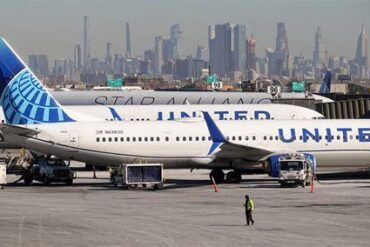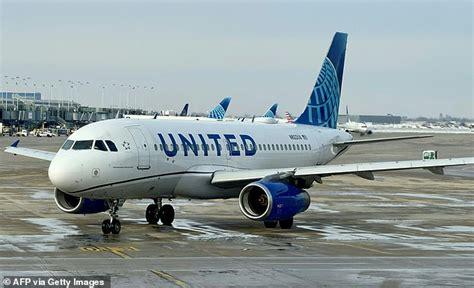
As international skies turn into contested legal battlegrounds, United Airlines now faces a formidable $75,000 lawsuit following a scalding incident aboard its Johannesburg to Newark route. What began as a standard request for hot tea morphed into a medical emergency that severely burned Angela McConnell, raising unsettling questions about in-flight safety protocols, crew training, and airline accountability.
Passenger’s Nightmare Unfolds at 35,000 Feet
The incident occurred on July 13, 2023, a mere two hours into the grueling 14.5-hour transatlantic flight. McConnell, a routine passenger on United Flight UA 187, received a cup of hot tea served directly to her tray table. Allegedly, due to a precarious placement or turbulence, the scalding liquid tipped suddenly and soaked her lap. The result: second-degree burns and torn skin—a horrifying scenario unfolding thousands of miles from immediate medical aid.
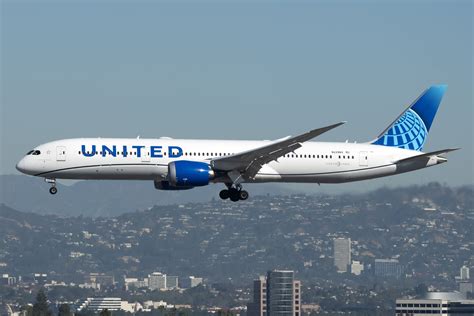
According to legal filings, the injuries not only caused intense physical pain but have also left McConnell haunted psychologically long after the aircraft touched down at Newark Liberty International Airport. Her lawsuit, seeking damages upwards of $75,000, aims to hold United Airlines accountable for alleged lapses in safety and medical response procedures.
The Montreal Convention’s Role in Legal Battle
Central to McConnell’s case is Article 17 of the Montreal Convention, a vital international treaty dictating airline liability during cross-border flights. The treaty stipulates strict liability for physical injuries resulting from onboard accidents. In McConnell’s argument, the spilled hot tea incident qualifies unequivocally as an “accident,” establishing United Airlines’ automatic liability regardless of demonstrated negligence.
For the aviation industry, this isn’t a trivial legal footnote. The invocation of Article 17 opens the door to precedent-setting interpretations, potentially increasing exposure to lawsuits for airlines globally. Failing to uphold passenger safety—even during routine cabin service—could soon lead to costly settlements and intensified regulatory scrutiny.
Inadequate Medical Response Deepens Airline Crisis
What transforms this mishap into a potential public relations disaster for United Airlines is its allegedly poor in-flight medical response. Instead of administering medically recommended burn care, crew members reportedly offered only a small bag of ice—a move experts criticize as counterproductive. Applying ice directly to burns risks exacerbating tissue damage, with standard first aid calling for cool running water over the affected area for at least ten minutes.
McConnell further claims no professional medical assistance was summoned onboard. Despite worsening injuries, which eventually caused her skin to tear and left exposed wounds, she reportedly received only gauze bandages three hours later. Even upon landing, United’s staff allegedly refused to open the first aid kit or dress her wounds, citing rigid company policies.
Such accounts raise troubling questions about airline emergency training and whether existing corporate procedures prioritize liability shielding over passenger care. For McConnell, the lack of meaningful medical attention onboard transformed her ordeal from painful to life-threatening.
Prolonged Medical Fallout and Long-Term Impact
McConnell’s distress did not end upon disembarkation. She journeyed onwards to San Francisco before seeking urgent care at Palo Alto Medical Foundation, eventually being admitted to the Santa Clara Valley Medical Center burn unit. Diagnosed with second-degree burns, she required specialized wound care and now faces potential permanent scarring.
Her treatment underscores a crucial point: incidents that appear minor inside an aircraft cabin can evolve into profound medical crises. For McConnell, the lasting physical damage is matched only by the psychological trauma of a medical emergency unfolding without proper assistance far above the Atlantic.
Airlines’ Policies Under The Microscope
While United Airlines maintains that its crew adhered to established procedures, this lawsuit thrusts airline policies into sharp focus. Are current protocols sufficient for addressing in-flight medical crises? Should airlines adopt more flexible response strategies that empower crews to apply common-sense care during emergencies?
The answers may reshape operational standards across the industry. With ultra-long-haul flights like the Johannesburg to Newark route becoming more common, passenger expectations for safety and care are rising. Rigid policies may no longer suffice when flights stretch beyond 14 hours, leaving passengers reliant solely on cabin crews for immediate medical help.
Broader Industry Implications: Trust at Stake
This lawsuit is more than a dispute over $75,000. It’s a bellwether event signaling deeper concerns about passenger safety, corporate responsibility, and medical readiness in international aviation. In an era where transparency and accountability are non-negotiable, stories like McConnell’s erode public trust in airlines’ capacity to prioritize passenger well-being.
For United Airlines, the reputational risks may far outweigh the financial damages. Airlines are closely watched by consumers and regulators alike, especially as the industry seeks to rebound from the COVID-19 pandemic’s disruption. Mishandled onboard emergencies could undo years of trust-building, with travelers turning to competitors who demonstrate more robust safety measures.
Moreover, travel partners—including hotels, tour operators, and insurance companies—are monitoring such lawsuits. Incidents onboard flights influence perceptions of safety throughout the travel journey. As passengers become increasingly vocal about their rights, the aviation ecosystem must adapt to ensure service quality doesn’t nosedive when emergencies strike.
Balancing Safety with Operational Realities
Airlines must grapple with complex challenges: maintaining operational efficiency while safeguarding human lives at 35,000 feet. For cabin crews, who juggle safety compliance and customer service in constrained spaces, flexibility in responding to emergencies is essential. However, current protocols may leave crews ill-equipped or reluctant to deviate from rigid procedures due to fear of litigation or disciplinary action.
McConnell’s ordeal starkly illustrates that compassion and timely medical care aren’t mere extras—they’re integral to passenger safety. For United Airlines, this case serves as a painful reminder that crew training, policy frameworks, and onboard resources must evolve to meet modern expectations.
United Airlines’ Strategic Silence and Industry Watchfulness
As legal proceedings advance, United Airlines has refrained from extensive public comment. The outcome hinges on judicial interpretation of the Montreal Convention and the airline’s adherence to both written procedures and industry best practices. Behind closed doors, however, risk analysts, legal experts, and corporate strategists across the industry are undoubtedly scrutinizing every development.
For United, the stakes are clear: financial penalties, potential procedural overhauls, and reputational harm await if the court rules in McConnell’s favor. For the broader industry, the case sets a precedent, signaling whether airlines can continue relying on outdated protocols or must innovate in the realms of passenger safety and emergency medical care.
Conclusion: A Wake-Up Call for the Skies
Ultimately, the $75,000 lawsuit against United Airlines is more than a single passenger’s quest for compensation. It’s a referendum on how airlines safeguard travelers during emergencies that strike without warning. As the courtroom drama unfolds, aviation stakeholders worldwide watch nervously, aware that today’s verdict could shape tomorrow’s in-flight safety standards.
In a world where a cup of tea can lead to catastrophe, McConnell’s case demands that airlines do more than apologize post-incident. They must proactively refine protocols, prioritize passenger care, and ensure that no traveler ever suffers unnecessarily due to procedural rigidity or insufficient crew training. The skies, after all, should be a domain of safety—not silent suffering.