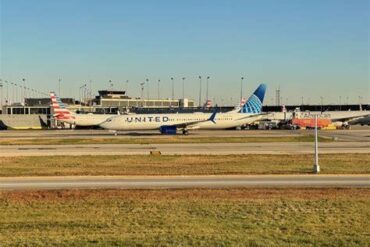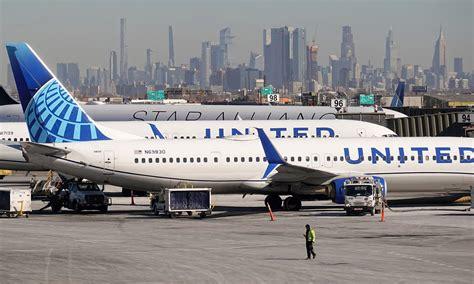
The controlled calm of a routine international arrival was abruptly shattered when a violent onboard disturbance escalated into a full-scale security emergency aboard a United Airlines flight bound for New Jersey. What began as an unruly episode evolved into a flight attendant assault and attempted cockpit breach, forcing the crew to act decisively during one of the most critical phases of flight—final approach.
Operating as Flight 1837, the aircraft departed from Puerto Plata in the Dominican Republic and proceeded uneventfully for most of its journey. However, as the Boeing 737 MAX 9 descended toward Newark Liberty International Airport, the situation deteriorated rapidly. A 48-year-old passenger reportedly became aggressive, culminating in physical contact with a flight attendant and an alarming attempt to push toward the forward cabin area.
Emergency Declared Mid-Descent as Situation Intensifies
The cockpit crew quickly recognized the severity of the threat and declared an onboard emergency. Air traffic control recordings later revealed the urgency in the pilots’ voices as they communicated that a passenger had attacked crew members and attempted to access the flight deck—a scenario that aviation security protocols treat with absolute seriousness.
The aircraft, carrying approximately 170 passengers and six crew members, continued its descent under heightened alert. Despite the escalating tension inside the cabin, the pilots maintained control and ensured a safe and stable landing at Newark. Law enforcement units were already mobilized, awaiting the aircraft’s arrival on the ground.
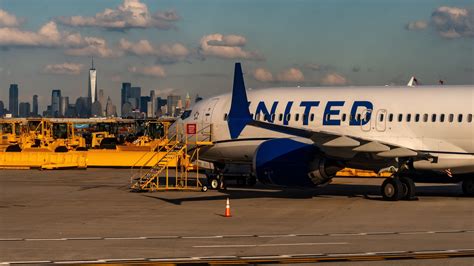
Swift Law Enforcement Intervention at Newark Airport
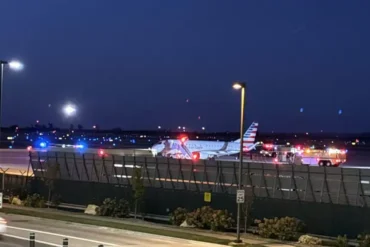
Upon landing, Port Authority Police boarded the aircraft without delay. The suspect was detained without further incident, preventing any continuation of the disruption once on the ground. Authorities later transported the individual to a nearby hospital for psychiatric evaluation, indicating that mental health factors may have played a role in the escalation.
Passengers onboard described a tense but controlled environment, with crew members acting swiftly to isolate the individual and prevent further harm. Notably, while one passenger declined medical assistance, there were no reports of severe injuries, underscoring the effectiveness of the crew’s intervention.
Crew Professionalism Prevented a Potential Catastrophe
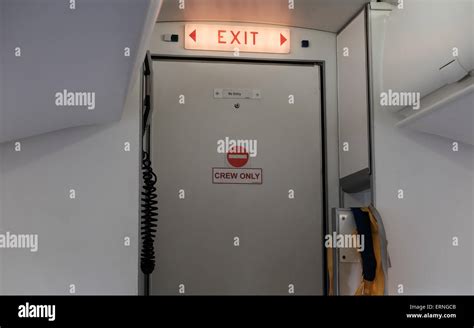
Incidents involving attempts to breach the cockpit are among the most high-risk scenarios in modern aviation. Since the events of September 11, 2001, commercial aircraft have been equipped with reinforced cockpit doors and strict access protocols specifically designed to prevent unauthorized entry.
In this case, those safeguards proved critical. The passenger’s attempt to reach the cockpit was unsuccessful, largely due to the rapid response and coordination of the cabin crew. Their actions ensured that the disturbance did not escalate into a broader threat to the aircraft or its occupants.
The ability to contain such incidents relies heavily on training, situational awareness, and adherence to established security procedures. This event highlighted how layered defense systems, both human and mechanical, function together to maintain safety even under extreme pressure.
FAA’s Zero-Tolerance Policy in Focus
The incident arrives amid continued scrutiny from the Federal Aviation Administration regarding unruly passenger behavior. While the number of reported cases has declined from pandemic-era peaks, authorities continue to record hundreds of incidents annually, ranging from verbal abuse to physical violence.
Passengers who engage in such conduct face severe consequences, including federal charges, substantial fines, and potential lifetime bans from airlines. Assaulting crew members or interfering with flight operations is classified as a serious federal offense, reflecting the high stakes involved in maintaining order within the confined environment of an aircraft cabin.
Recent cases across multiple U.S. carriers—including diversions and emergency landings—demonstrate that disruptive behavior remains an operational and safety challenge for airlines. Each incident reinforces the need for strict enforcement and continued vigilance.
Aviation Security Systems Tested—and Proven Effective
Despite the alarming nature of the event, the outcome underscores a critical point: modern aviation security systems are designed to absorb and neutralize threats without compromising flight safety. From reinforced cockpit doors to real-time coordination with ground authorities, every layer functioned as intended.
Flight tracking data confirmed that the aircraft arrived on schedule, with no deviation required despite the onboard emergency. This reflects not only the technical resilience of modern aircraft but also the disciplined execution of emergency protocols by the flight crew.
The Persistent Challenge of Inflight Disruptions
While rare, such incidents carry disproportionate risk due to the environment in which they occur. At cruising altitude or during descent, options for intervention are limited, and every decision must balance passenger safety, aircraft integrity, and operational continuity.
The Newark event serves as a stark reminder that even a single disruptive individual can create a chain reaction of security responses, involving pilots, cabin crew, air traffic control, and law enforcement. It also reinforces the importance of passenger responsibility in ensuring a safe travel environment.
As aviation continues to recover and expand globally, maintaining order onboard remains as critical as ever. This incident, though resolved without tragedy, highlights the thin margin between disruption and disaster—and the professionalism required to keep that line firmly intact.