Two American pilots lost their lives after a Gulfstream G200 Galaxy business jet crashed and erupted into flames while attempting an emergency landing at La Romana International Airport (LRM) in the Dominican Republic. The tragic accident occurred on June 7, shortly after the aircraft departed on a repositioning flight bound for Austin, Texas, prompting a major aviation investigation into the circumstances that forced the crew to return.
The aircraft, registered N318JF and operated by Aibonito Aviation LLC, had taken off from La Romana before the pilots reported an unspecified emergency. Rather than continue the journey toward Texas, the crew requested an immediate return to the airport. Authorities later confirmed that the two pilots were the only occupants aboard the aircraft and that both died in the crash. No injuries were reported on the ground.
Initial reports indicate that the emergency developed only minutes after departure. Flight-tracking information showed the aircraft remaining near the southeastern coastline of the Dominican Republic instead of proceeding on its planned route across the Caribbean and toward the United States. The decision to abandon the flight and return to La Romana suggests the crew encountered a significant issue that required urgent attention.

Gulfstream G200 Declared Emergency Shortly After Takeoff
According to preliminary aviation data, the Gulfstream G200 departed La Romana on what was described as a repositioning flight. The aircraft was reportedly scheduled to travel to Texas to pick up former Major League Baseball catcher Yadier Molina, along with family members and friends, before transporting them back to Puerto Rico. Fortunately, no passengers were onboard during the flight when the emergency occurred.
Flight-tracking records indicate the jet was approximately 16 nautical miles southwest of La Romana when the crew declared an emergency. Air traffic control was notified, and the pilots initiated procedures to return to the airport. Aviation authorities have not publicly disclosed the exact nature of the problem that prompted the emergency declaration.
The aircraft’s movements after takeoff reflected an attempt to remain within reach of the airport while crews assessed the situation. Such procedures are common when pilots encounter mechanical abnormalities, system failures, or other operational concerns shortly after departure. Investigators are expected to review cockpit communications and radar information to determine exactly what the crew reported before the accident.
Yadier Molina later expressed condolences to the pilots and their families through social media, noting that the aircraft had been scheduled to collect him and his travel party before returning to Puerto Rico.
Final Minutes Before the Crash
Available ADS-B tracking information provides a partial picture of the aircraft’s final moments. Data indicates that the Gulfstream departed Runway 11 at approximately 19:30 UTC and initially turned onto a northwesterly track. Several minutes later, the aircraft began a series of maneuvers consistent with preparations for an emergency return.
Investigators reviewing tracking records observed multiple left-hand turns near the airport area. At one stage, the aircraft appeared to be positioning for an emergency landing on Runway 11. However, a gap in publicly available tracking data followed, creating uncertainty about the exact sequence of events during the critical phase of the flight.
When the aircraft reappeared on tracking systems, it was circling northwest of the airport. Additional maneuvering followed before the jet aligned with Runway 29 for what appears to have been its final emergency approach.
The circumstances surrounding the runway change remain unclear. Aviation investigators will likely examine weather conditions, aircraft performance, pilot communications, and airport operational factors to understand why the approach evolved as it did during the emergency.

Aircraft Destroyed in Post-Impact Fire
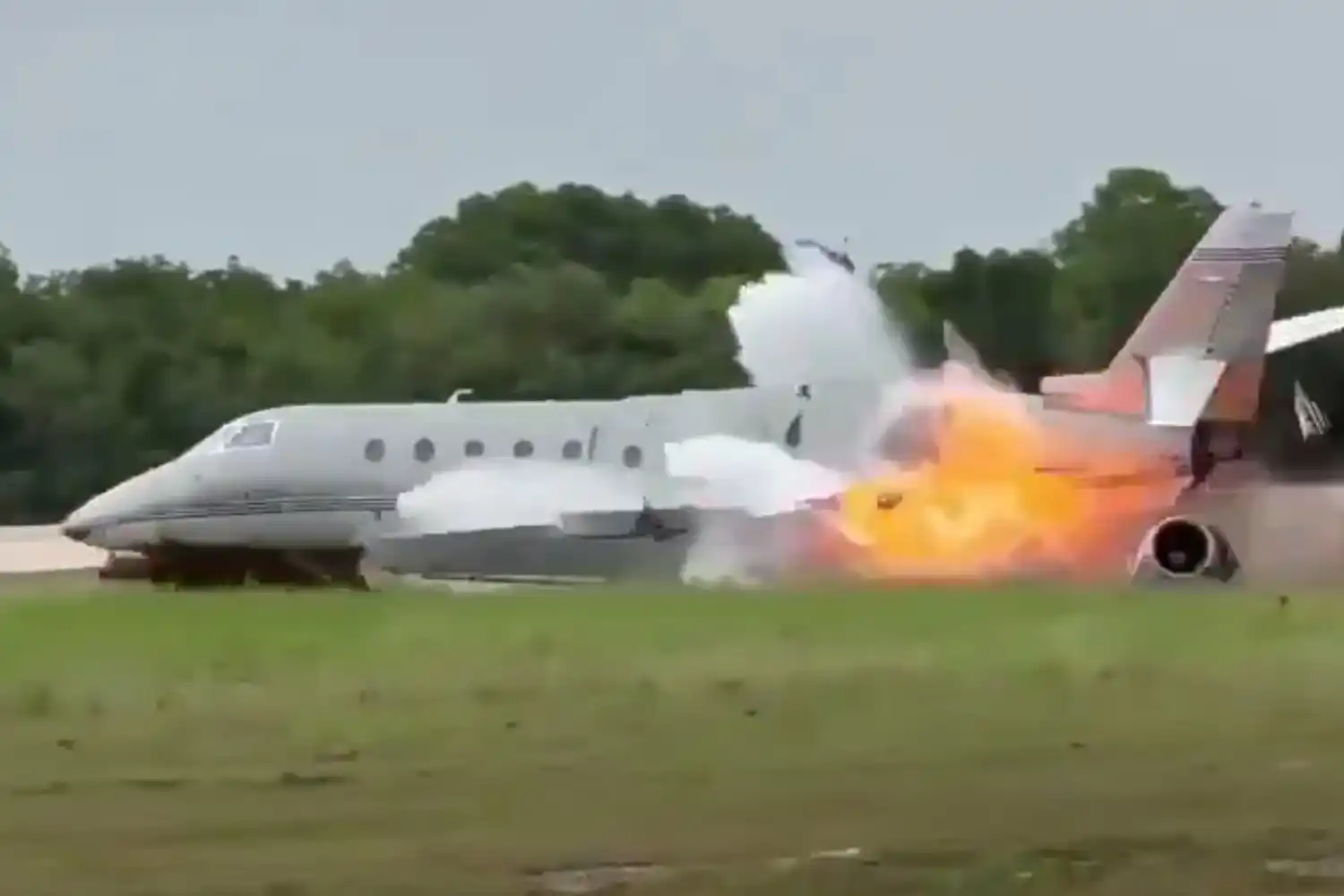
Witness footage shared online showed the business jet engulfed in flames after impact. Thick black smoke rose from the crash site as emergency crews rushed to contain the fire. Airport firefighters, medical personnel, and local emergency responders quickly arrived at the scene, but the intensity of the blaze underscored the severity of the accident.
The aircraft involved was a Gulfstream G200 Galaxy, manufacturer serial number 093. The jet was destroyed in the crash and has been classified as a hull-loss accident, meaning the aircraft sustained damage beyond economic repair.
The Gulfstream G200 is a twin-engine business jet widely used for executive travel and charter operations. Known for its long-range capabilities and reliability, the aircraft type has served corporate operators and private owners around the world for many years. Incidents involving the model remain relatively uncommon, making the accident particularly notable within the business aviation community.
Despite the catastrophic destruction of the aircraft, authorities confirmed that there were no casualties or injuries among people on the ground, preventing an even greater tragedy.
A Gulfstream G200 business jet crashed during an attempted emergency landing in the Dominican Republic on Sunday, June 7, killing both pilots on board. #g200 #gulfstream pic.twitter.com/zfVrMW3J5i
— Air Data News (@airwayaviation) June 9, 2026
La Romana International Airport’s Role in Caribbean Aviation
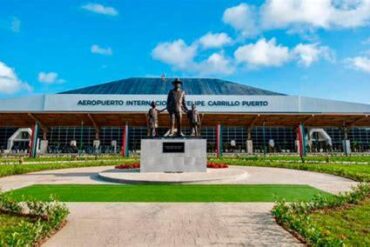
Located on the southeastern coast of the Dominican Republic, La Romana International Airport serves as an important gateway for both tourism and private aviation. The airport regularly handles international charter flights, corporate aircraft, and private business jets connecting the Caribbean with destinations across North America.
Its primary runway, designated 11/29, measures approximately 9,678 feet (2,950 meters) and is capable of accommodating a wide range of aircraft, including large business jets such as the Gulfstream G200. The airport also offers customs and immigration services, making it a popular choice for international executive travel.

Investigation Focuses on Cause of Emergency
Dominican aviation authorities have launched a formal investigation into the accident. Investigators are expected to analyze multiple sources of evidence, including flight-tracking information, air traffic control communications, maintenance documentation, operational records, and physical wreckage recovered from the crash site.
One of the central questions remains the nature of the emergency that prompted the pilots to abandon their flight to Texas. Determining whether the event was caused by a mechanical failure, system malfunction, operational issue, or another factor will be critical to understanding the accident sequence.
Investigators will also seek to reconstruct the aircraft’s final flight path and evaluate the decisions made during the attempted return to La Romana. Such inquiries are standard in aviation accident investigations and are designed not only to establish what happened but also to identify potential safety lessons that could help prevent future tragedies.
As authorities continue their work, the loss of the two pilots serves as a stark reminder of the challenges crews can face when emergencies develop shortly after takeoff. The findings of the investigation will be closely watched by aviation professionals, Gulfstream operators, and safety experts across the industry.