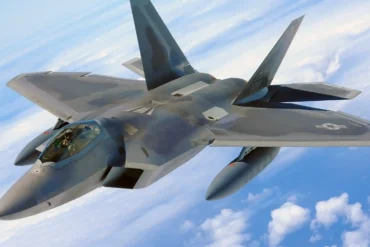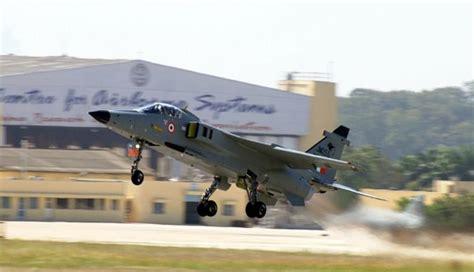
On July 9, 2025, a routine training sortie turned fatal as an Indian Air Force (IAF) Jaguar IB trainer aircraft crashed in Churu district, Rajasthan, killing both pilots on board. The incident has intensified scrutiny over India’s prolonged reliance on its aging Jaguar fleet, originally inducted in 1979.
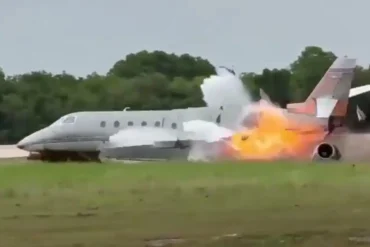
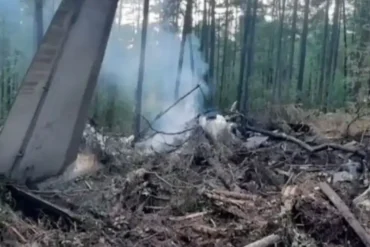
The ill-fated sortie had taken off from Suratgarh Air Force Station and was part of a scheduled training exercise. The aircraft came down in a field near Bhanoda village, causing no civilian casualties or property damage, but sparking a fireball visible from nearby settlements.
Eyewitnesses reported hearing a thunderous boom shortly after noon, followed by columns of smoke rising from the crash site. Amateur video shared on social media platform X captured the jet engulfed in flames, its debris scattered across scorched earth. The IAF promptly confirmed the fatalities, identifying the deceased as Squadron Leader Lokendra Sindhu and Flight Lieutenant Rishi Raj Singh.
Recurring Crashes Raise Alarms Over Airworthiness
The crash marks the third Jaguar mishap since March 2025, underscoring a persistent pattern of accidents involving the platform. Previous incidents took place in Morni Hills, Haryana, and Jamnagar, Gujarat, with both cases attributed to technical malfunctions. The latest tragedy has once again spotlighted the increasing obsolescence of the Jaguar fleet and the urgent need for its systematic replacement.
The IAF stated, “A Court of Inquiry has been ordered to ascertain the cause of the accident,” but aviation analysts argue the incident adds weight to the argument that these aging aircraft have outlived their strategic utility.
The SEPECAT Jaguar: A Legacy Platform Nearing the End of Its Lifespan
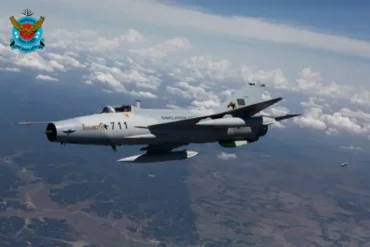
The SEPECAT Jaguar is a twin-engine, ground-attack aircraft developed in the 1960s as a joint venture between Britain and France. Designed for deep penetration strike and close air support, it first entered IAF service in 1979, primarily to fulfill nuclear and tactical strike roles.
India has operated over 160 Jaguars, with the fleet comprising two major types:
- Jaguar IS: Single-seat variant for frontline strike missions
- Jaguar IB: Two-seat trainer version, also combat-capable
The aircraft has seen action in key military operations, most notably the Kargil War in 1999, where it carried out precision bombing runs in high-altitude conditions.
Modernization Efforts and Challenges
Despite its longevity, the Jaguar has undergone periodic modernization through the DARIN (Display Attack Ranging Inertial Navigation) series, with the DARIN III upgrade adding new avionics, multi-function displays, and advanced navigation systems. Yet the aircraft remains hampered by underpowered engines and an increasingly outdated airframe.
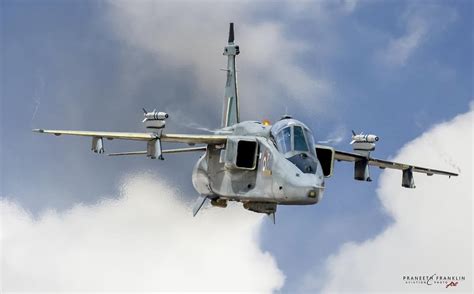
India had once planned to re-engine the Jaguars with Honeywell F125IN turbofans, offering better thrust and fuel efficiency. However, the initiative was abandoned due to prohibitive costs, leaving the aircraft stuck with Rolls-Royce Adour engines, now considered significantly outdated.
To keep the fleet operational, the IAF has resorted to importing second-hand parts and airframes from the UK and France. Maintenance cycles have become more demanding, with many squadrons depending on scavenged components and reverse-engineered systems to sustain mission readiness.
Fatalities Underscore Human Cost of Delayed Modernization
While strategic planners and defense procurement agencies debate cost-benefit scenarios, the human toll is mounting. The deaths of Squadron Leader Sindhu and Flight Lieutenant Singh serve as a stark reminder that every delay in fleet renewal increases risk to the personnel.
India’s frontline pilots, often tasked with flying outdated platforms like the Jaguar, operate under demanding and hazardous conditions. As the aircraft’s safety envelope narrows with each passing year, the margin for pilot recovery in the event of mechanical failure becomes slimmer.
IAF’s Replacement Plans: Still Caught in Bureaucracy
India’s intentions to phase out the oldest 60 Jaguars between 2028 and 2031 have been criticized as too little, too late. These plans, often subject to bureaucratic inertia and budgetary restrictions, lag behind operational realities.
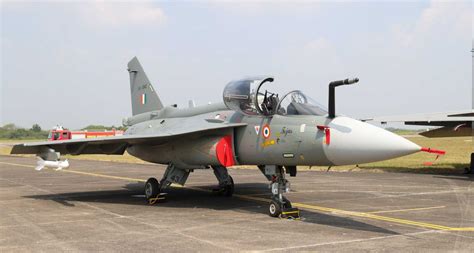
There have been discussions about replacing Jaguars with indigenous LCA Tejas Mk1A jets, Rafale-M fighters, or even HAL’s proposed AMCA fifth-gen aircraft in the long term. However, none of these plans are near implementation at the scale needed to offset the Jaguar’s retirement.
Procurement hurdles, inter-ministerial delays, and budget prioritization continue to stall the acquisition of modern jets, leaving the IAF with few immediate options.
Three Crashes in Four Months: A Pattern Too Dangerous to Ignore
The March 2025 crash in Morni Hills resulted in the aircraft going down during a night sortie. Initial findings suggested avionics failure as the cause. In April, a Jaguar crashed near Jamnagar, reportedly due to engine flameout. Now, with the July 9 crash, the cumulative pattern of technical degradation becomes hard to dismiss.
While the IAF’s investigative mechanisms are thorough and timely, the absence of decisive follow-through on fleet overhaul recommendations continues to haunt operational safety.
Operational Pressure and Tactical Gaps
The IAF maintains that the Jaguar continues to provide strategic utility in specific roles, particularly in maritime strike missions, where the aircraft’s low-level penetration capability and heavy payload remain relevant. Yet this assessment often overlooks the growing disparity between modern threats and legacy systems.
As India’s regional rivals rapidly modernize their aerial fleets with fifth-generation aircraft and advanced missile systems, continued reliance on Jaguars imposes a critical tactical handicap. Training missions like the one that ended in tragedy near Churu may provide valuable experience, but at an unacceptable cost.
Public and Policy Reactions: A Call to Action
The crash has reignited public debate and media scrutiny. Veterans, analysts, and political figures alike are urging the Ministry of Defence to fast-track modernization efforts and decommission high-risk aircraft without further delay.
Defense analyst Retd. Air Marshal M. Matheswaran noted, “You cannot stretch a platform designed in the 1960s to serve in the 2030s. Every extension comes with exponentially increasing risk.”
There is also growing support within strategic circles for overhauling India’s defense acquisition pipeline, which remains mired in red tape, slow execution, and fragmented oversight. Until reforms materialize, such tragedies may continue to repeat.
The Path Ahead: Urgency Over Incrementalism
The Indian Air Force stands at a critical juncture. While pilot skill and institutional discipline remain exceptional, continued reliance on outdated platforms like the Jaguar undermines combat readiness and endangers lives.
There is no longer room for incremental upgrades or symbolic fleet reviews. A comprehensive airpower modernization strategy—prioritizing rapid induction of new platforms, retiring obsolete systems, and optimizing indigenous R&D—is imperative.
In the wake of the Churu crash, the IAF must reckon not only with the loss of two decorated officers but with the broader implications of a defense strategy outpaced by time and technology. A fitting tribute to Squadron Leader Sindhu and Flight Lieutenant Singh would be a force that never sends its warriors into battle aboard aircraft better suited for a museum.