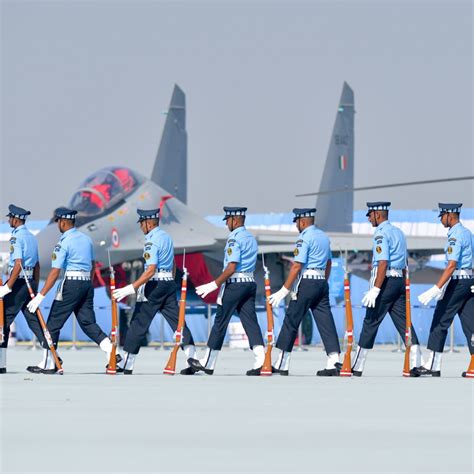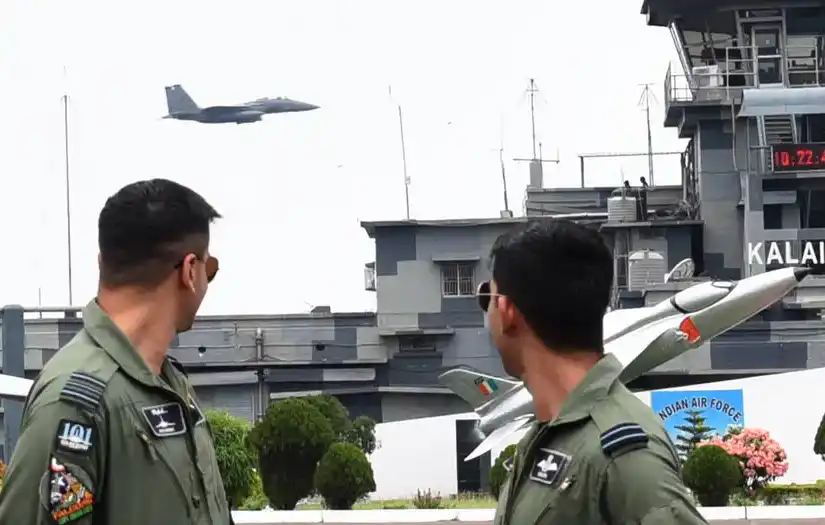
India’s ambitions to strengthen its air power are being severely undermined by persistent delays in defense procurement and the obsolescence of its existing fleet. As regional tensions escalate and warfare evolves rapidly through drone integration and advanced aerospace technology, the Indian Air Force (IAF) finds itself battling not just external threats, but internal inefficiencies that jeopardize its operational readiness.
IAF Chief Issues Unprecedented Warning Over Defense Delays
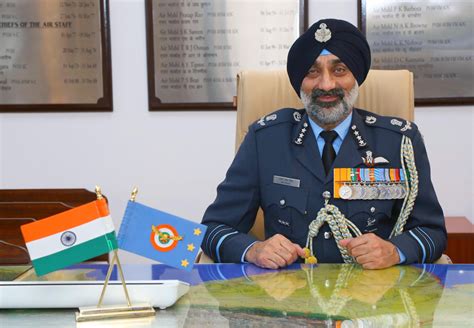
In a rare and candid admission, Air Chief Marshal Amar Preet Singh publicly criticized India’s defense production system, calling into question the credibility of delivery promises made by state-run arms manufacturers. Addressing a high-level audience in New Delhi, including Defense Minister Rajnath Singh, the air chief lamented how “not a single project that I can think of has been completed on time.”
His words underscore a deepening frustration within India’s armed forces. From drone-based warfare to modern stealth fighters, Singh emphasized that the changing landscape of combat demands rapid technological upgrades—yet, India’s procurement systems remain bogged down in bureaucratic inertia and unrealistic contractual timelines.
The Unfulfilled Promise of Indigenous Aircraft
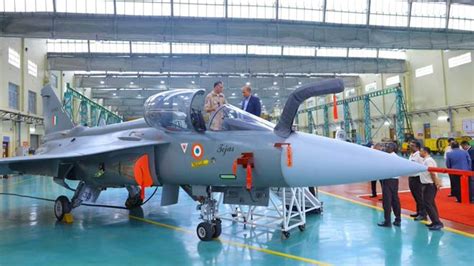
The case of the Tejas Mk1A fighter jet exemplifies the scale of the problem. Despite a government order placed in 2021, not a single unit has been delivered to the IAF. This aircraft, championed as a symbol of India’s defense indigenization, continues to face production lags and logistical hurdles. The delay not only questions the competence of domestic defense manufacturing but also affects combat preparedness at a time when India’s strategic environment grows increasingly hostile.
This isn’t an isolated instance. Programs like the Advanced Medium Combat Aircraft (AMCA) and Tejas Mk2, although crucial for the future of Indian air dominance, are still in development, with operational prototypes expected only by 2028–2029. That timeline is dangerously slow, considering the aging inventory and current regional threats.
Shrinking Fleet: A Strategic Liability
The IAF currently operates only 31 combat squadrons, well below its sanctioned strength of 42. With each squadron typically comprising around 18–20 aircraft, the deficit translates to nearly 200 fighter jets—a crippling shortfall.
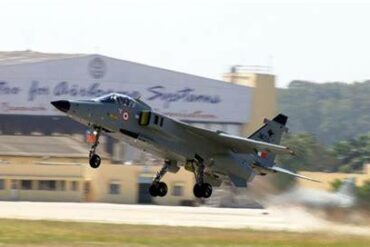
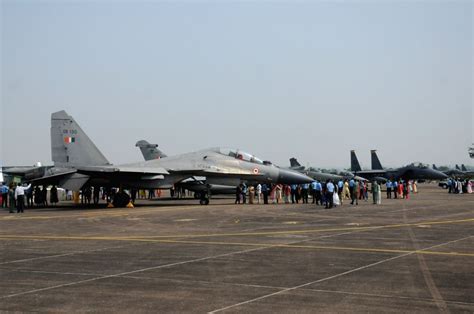
Much of this is attributed to the phased retirement of legacy aircraft like the MiG-21, MiG-23, and MiG-27, which served as the backbone of the air force during the Cold War era. These outdated platforms have exited service without adequate replacements, leaving the IAF vulnerable during high-stakes encounters.
Recent Skirmishes Reveal Critical Shortcomings
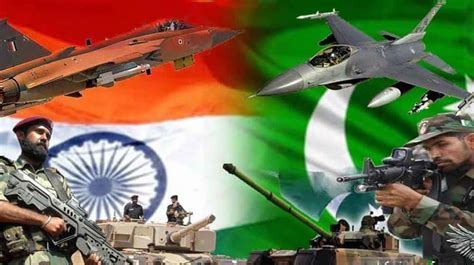
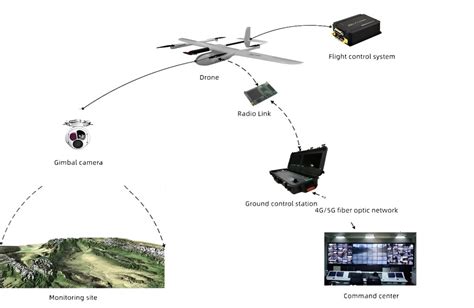
Recent aerial clashes with Pakistan, following a terrorist attack in Kashmir that left 26 people dead, showcased both the potential and limits of India’s air power. The IAF deployed a mix of manned aircraft and drones, achieving deep incursions into Pakistani territory. However, reports of aircraft losses and integration difficulties hint at the challenges India faces in synchronizing its aging fleet with modern technology.
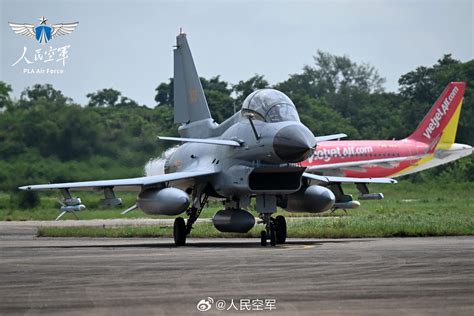
Pakistan’s use of Chinese-made J-10C fighter jets and PL-15 long-range missiles during these confrontations further underscores the strategic gap. According to former defense staff and analysts, India’s failure to match or exceed regional air capabilities risks its deterrent power.
Industry Paralysis: Systemic Inefficiencies Cripple Progress
At the heart of this crisis lies India’s overburdened and outdated defense procurement architecture. The country’s Defense Research and Development Organization (DRDO), responsible for driving innovation and indigenous technology, has often failed to meet deadlines, causing cascading delays across critical systems.
Tara Kartha, a former member of India’s National Security Council Secretariat, argues for creating a dedicated cadre for procurement and development, decoupling military needs from bureaucratic bottlenecks. She emphasized that the Prime Minister’s ambitions for a transformed defense ecosystem are yet to materialize.
A Push Toward Foreign Acquisitions
Former Lieutenant General Deependra Singh Hooda echoes these concerns, stating that indigenous delays have now left India with little option but to look overseas. “Some hard decisions must be taken, including foreign buys,” he asserted, urging the government to consider private sector collaboration in defense production.
The acquisition of 36 Rafale fighter jets from France in 2016 marked a rare instance of a relatively streamlined international defense deal. Though effective, even this program required extensive negotiations and strategic compromises. Nonetheless, it remains a vital asset in India’s limited modern arsenal.
The Untapped Potential of India’s Private Sector
Konark Rai, managing director of the defense startup Rudram Dynamics, views the procurement crisis as a failure of the defense-industrial structure itself. According to him, India’s system of No Cost No Commitment (NCNC) trials and lowest-bidder (L1) contracts stifles innovation and discourages serious private players.
“When a national emergency hits and mass production is needed, the system falters,” Rai warned. He advocates for a model where defense forces proactively scout for technology, collaborating with regional colleges and grassroots innovators rather than only elite research institutions.
Such reform would not only diversify India’s technological base but also empower smaller firms to contribute meaningfully to national security.
Air Power’s Central Role in Future Conflicts
Former Air Marshal Raghunath Nambiar highlighted how air superiority played a decisive role in the recent 90-hour conflict with Pakistan. He credited the IAF’s precision strikes and tactical air dominance for shifting the momentum, even as geopolitical maneuvering occurred behind the scenes.
“The air campaign was the principal factor that broke the enemy’s will to continue,” Nambiar stated, emphasizing that air power today is not a support function but a strategic arm of warfighting.
However, he cautioned that continued reliance on aging aircraft and incomplete modernization efforts will erode that advantage quickly. The need for fleet renewal, next-gen weaponry, and autonomous systems is urgent.
Geopolitics and China’s Growing Influence
A further complication to India’s air defense aspirations is China’s increasing aerospace clout. With Pakistan integrating Chinese aircraft and missile platforms, India must factor in the rising sophistication of Beijing’s military exports.
This influence is not limited to South Asia. It has implications for global power balances, with the United States and Western allies keeping a close watch on how Chinese platforms perform in real-world combat environments.
India, in turn, must respond not just with weaponry, but with a modernized defense infrastructure that can produce, iterate, and deploy systems on demand.
Time for Decisive Reform
The time for incremental fixes is over. India’s defense planners must accelerate procurement, embrace private-sector innovation, and cut red tape that has plagued every major project from the Tejas to the AMCA.
If the government wants to secure airspace, project power, and deter aggression, then the IAF cannot be asked to fly into modern wars with Cold War-era equipment. The air chief’s warning should be seen not as criticism, but as an alarm bell for national readiness.
Without structural changes, the gap between ambition and capability will only widen—leaving India vulnerable at a time when its adversaries are rapidly evolving.