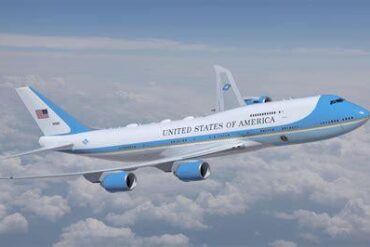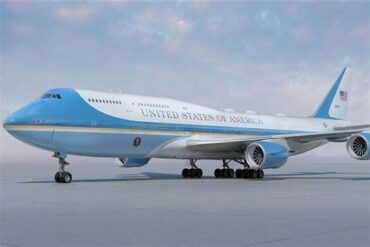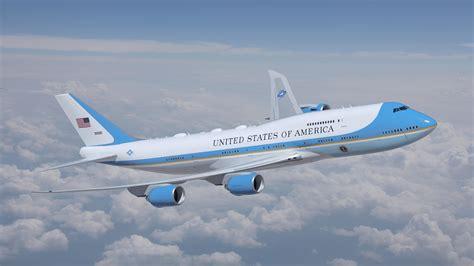
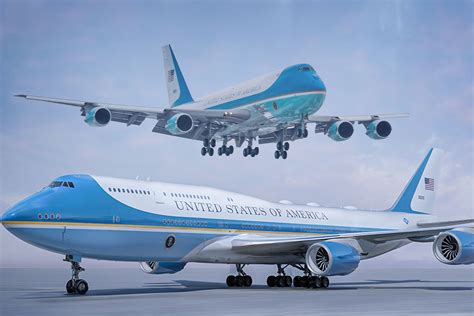
Boeing’s once-celebrated 747-8 Air Force One program—officially the VC-25B initiative—has plunged into crisis. Originally seen as a practical replacement for the aging VC-25A aircraft, the project is now marred by labor shortages, stringent security constraints, and massive design setbacks. What was supposed to be a milestone in presidential aviation has become a cautionary tale of bureaucratic rigidity and industry headwinds.
At the core of the issue lies a bottleneck few foresaw: Boeing simply cannot find or keep enough qualified mechanics to modify these jets. Unlike commercial projects, the Air Force One initiative demands personnel with top-level security clearances, a shrinking demographic amid a tightening defense labor market. Boeing’s inability to staff these roles has left the VC-25B program lagging years behind schedule and billions over budget.
A Presidential Jet in the Making: From Commercial Airliner to Flying Command Center
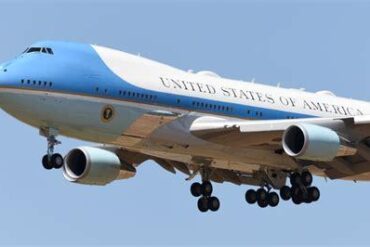
While Air Force One is technically a callsign for any U.S. Air Force aircraft carrying the President, the term is synonymous with the two specially equipped Boeing VC-25As—heavily modified versions of the 747-200B. These aircraft have been in service since 1990 and are nearing the end of their viable operational life.
The Air Force awarded Boeing a contract in 2015 to convert two stored Boeing 747-8 jets—originally built for Russia’s now-defunct airline Transaero—into the new VC-25B configuration. The plan was simple: save time and money by reusing existing aircraft and equipping them with the advanced communications, self-defense, and executive functions demanded by modern presidential missions. But what started as a cost-efficient move has spiraled into a logistical nightmare.
Security Clearances: The Achilles Heel of the VC-25B Program
What sets the VC-25B conversion apart from standard Boeing projects is the classified nature of its modifications. These planes aren’t just outfitted with luxury interiors. They’re being turned into airborne command centers, capable of surviving a nuclear event, coordinating military operations, and maintaining constant communication with U.S. and allied forces.
To execute these tasks, workers must undergo extensive vetting to receive top-secret clearances. In a post-pandemic labor market already grappling with a nationwide shortage of skilled tradespeople, this clearance requirement has become a choke point. Workers without clearances simply can’t step onto the hangar floor, and those who do qualify are being poached by better-paying or less-restrictive defense projects.
Redesigns, Wiring Woes, and Technical Stumbles
Boeing’s troubles don’t stop at staffing. The VC-25B conversion is technically daunting. A major obstacle has been the replacement and installation of more than 200 miles of wiring within each aircraft. The 747-8 was never designed with this level of internal complexity in mind. Early efforts to retrofit the aircraft led to critical errors in layout, triggering repeated redesigns and lengthy delays.
Moreover, a fragile and unpredictable supply chain—exacerbated by global semiconductor shortages and custom part delays—has made it impossible to meet earlier deadlines. The aircraft, line numbers 1519 and 1523, have become the subject of internal Boeing audits and public scrutiny.
A Contract Locked in Time: The Cost Overrun Dilemma
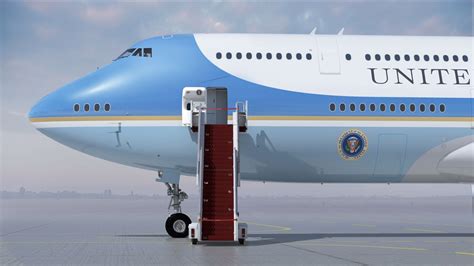
The financial strain on Boeing is not just collateral damage—it’s contractual. The VC-25B program was signed under a fixed-price contract, meaning Boeing is liable for all cost overruns. Initially budgeted at approximately $3.9 billion, the project has now ballooned to over $5.9 billion, and estimates suggest it could creep even higher if delays persist.
While the U.S. Air Force may want to scale back certain requirements to speed up delivery, doing so is politically and operationally sensitive. Any compromise in capability could render the aircraft unfit for its core mission: ensuring the President of the United States can remain fully functional as Commander-in-Chief in any global crisis.
Trump’s Frustration and the Qatari 747 Option
Since returning to office in January 2025, President Donald Trump has been vocal about his dissatisfaction with the progress. Originally slated for entry into service in 2024, the program’s timeline was moved to 2027, and now even that goal seems unlikely. Boeing disclosed in February that delivery could slip into 2029 or even the early 2030s.
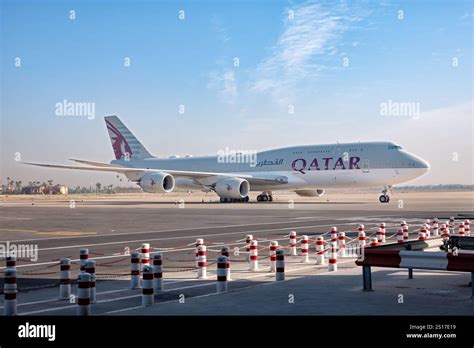
In a surprise move, the Trump administration reportedly secured a Qatari Boeing 747-8—a former executive jet—as a stopgap measure. While this aircraft lacks the advanced modifications of a true VC-25B, it could ease pressure on the aging VC-25A fleet, provided some limited retrofitting is done. Still, its capabilities will be constrained, and it won’t be able to fulfill critical defense missions.
Retrofitting Reality: Why This Conversion Is So Complex
Converting an off-the-shelf 747-8 into Air Force One involves a meticulous and multi-layered process. Beyond the visible upgrades—such as executive cabins, meeting rooms, and secure communication terminals—the aircraft must be equipped with:
- Hardened electrical systems to resist electromagnetic pulses
- Advanced countermeasure suites against missile threats
- Satellite communication arrays for global connectivity
- Medical facilities and emergency protocols
Every one of these systems must interface flawlessly with others. That means every wire, bolt, and circuit must be logged, tested, and often redone when integration fails. The original intent to cut corners by using stored commercial aircraft has instead compounded the issue, requiring reverse-engineering steps that wouldn’t be necessary with factory-new airframes.
The Numbers Behind the Nightmare
| Specification | VC-25A | VC-25B |
|---|---|---|
| Order Year | 1985 | 2015 |
| Delivery Year | 1990 | 2027 or later |
| Base Aircraft | Boeing 747-200B | Boeing 747-8 |
| Engines | GE CF6-80 | GE Genx |
| Line Numbers | 679, 685 | 1519, 1523 |
| Crew Requirement | 3–4 | 2–TBD |
These figures illustrate the timeline discrepancies and technological leap the Air Force expected from the VC-25B program—but that leap is now trapped in limbo.
Internal Mitigation and Adjusted Protocols
In a bid to salvage the program, Boeing and the U.S. Air Force have initiated several mitigation strategies. Some involve lowering security clearance requirements for specific non-critical tasks, thus widening the labor pool. Other efforts aim to streamline or defer non-essential upgrades, with hopes of accelerating the base operational capability timeline.
Still, these are stopgap fixes. Until the workforce pipeline stabilizes, and supply chains become more predictable, each new workaround only temporarily patches deeper structural issues.
The Path Forward: Hope or Further Delay?
As the clock ticks, both Boeing and the U.S. government face tough decisions. The current VC-25As are now 35 years old, and even with diligent maintenance, aircraft fatigue and obsolescence are unavoidable. Any further delay to the VC-25B program not only impacts presidential logistics but also carries diplomatic and national security implications.
If Boeing cannot overcome its workforce bottleneck, and if the aircraft continue to suffer from integration errors and redesign demands, the only alternative may be to start planning yet another interim solution—a process that would involve even more money, time, and political friction.
The VC-25B program was once hailed as the future of presidential air travel. Now, it stands as a symbol of how even the most ambitious, well-intentioned projects can stall under the weight of real-world constraints, from skilled labor scarcity to misaligned corporate incentives.
Whether the iconic silhouette of the 747-8 will one day soar across the skies with the callsign Air Force One remains a question of will, resources, and resolve.