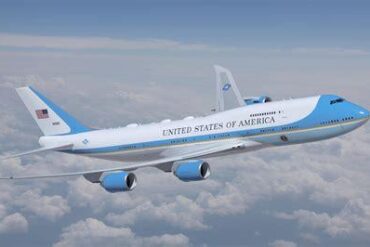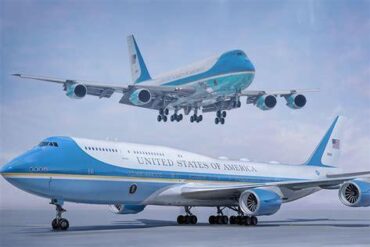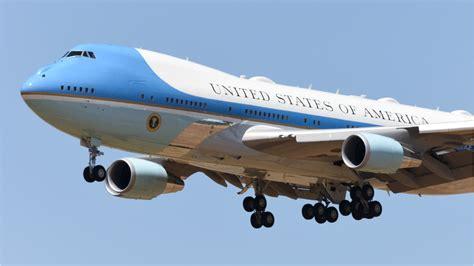
The United States Air Force has officially entered into a $400 million contingency agreement to bolster the future of presidential aviation, as delays mount on the long-anticipated replacement for the aging VC-25A Air Force One aircraft. While the replacement program for the current Boeing 747-200-based jets was initially slated for completion by late 2024, Boeing has now projected a revised delivery date of 2028, pushing the need for an alternative strategy into sharper focus.
The December 2025 deal marks a pivotal moment in the transitional period between the aging fleet and the new VC-25B aircraft, which are also Boeing 747-8-based. In an effort to ensure uninterrupted service and to build a foundation for long-term operational readiness, the Air Force is acquiring two Boeing 747-8 jets from an undisclosed seller. While unconfirmed, industry speculation points to Lufthansa as the likely source of these jets.
Strategic Move to Strengthen Training and Spare Capacity
According to a USAF spokesperson, the primary purpose of the deal is to “procure two aircraft to support training and spares for the 747-8 fleet.” With the 747-8i now out of active production and significantly different from the 747-200 platforms currently used, the acquisition is a proactive step toward crafting a comprehensive training and sustainment strategy for the next-generation Air Force One program.
The timeline for this initiative is already in motion. The first aircraft is expected to be delivered in early 2026, with the second arriving by year’s end. This approach underscores the Air Force’s recognition of the importance of a seamless transition, particularly given the long-standing symbolic and functional role Air Force One plays in projecting U.S. diplomatic and military presence.
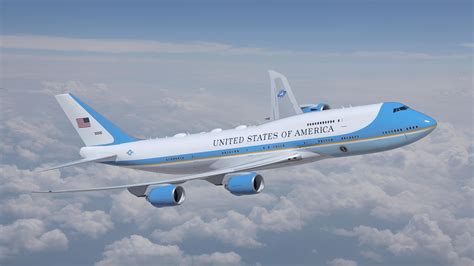
Qatar’s Controversial 747-8 Donation Raises Eyebrows
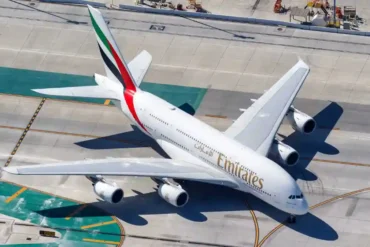
Adding another layer of complexity to the evolving Air Force One narrative, the government of Qatar donated a Boeing 747-8 jet earlier in 2025. The decision immediately ignited political controversy in Washington, with critics raising concerns about security implications and the substantial cost of converting the aircraft to U.S. military and presidential standards.
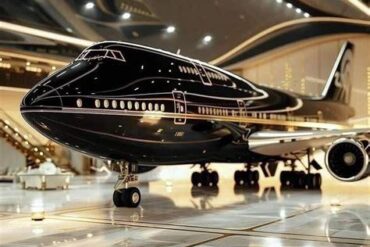
Despite these concerns, the Trump administration swiftly moved forward, contracting L3 Harris Technologies to commence retrofitting the aircraft. The retrofit, projected to cost around $400 million, is seen as an opportunity to accelerate preparedness amid Boeing’s production delays. Although not yet in official use, this aircraft could potentially serve as an interim Air Force One platform until the official VC-25B fleet is operational.
A Legacy of Airborne Presidential Power in Flux
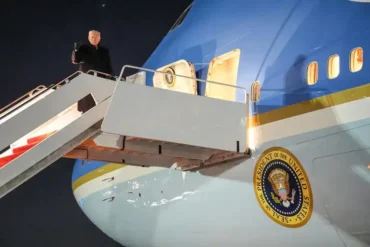
Air Force One’s legacy dates back to 1944, evolving through generations of aircraft and geopolitical eras. The current 747-200s, operational since 1990, are now facing the end of their lifecycle, even as their replacements remain years from deployment. With the VC-25B program enduring delays linked to supply chain issues, manufacturing setbacks, and labor shortages, the Air Force is left balancing readiness and symbolism with logistical pragmatism.
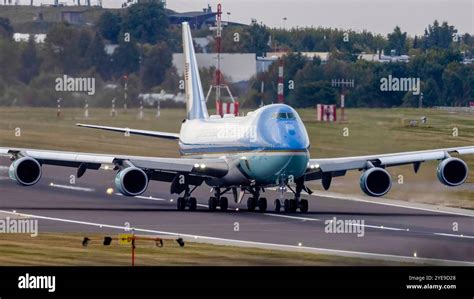
The latest deal signifies more than a logistical stopgap; it reflects a deliberate shift toward resilience in executive transport infrastructure. It highlights a growing recognition that national security extends beyond weapon systems, encompassing the continuity of command and control capabilities, even at 30,000 feet.
Looking Ahead: Beyond 2028
Whether the Qatar-donated aircraft will formally assume the Air Force One role remains unconfirmed. However, it’s clear that alternative planning has moved to the forefront. By securing additional 747-8s and investing in training infrastructure, the Air Force is signaling that presidential air travel cannot afford disruption.
In an era of rapid geopolitical change, the ability of the Commander-in-Chief to travel securely and efficiently remains paramount. The $400 million investment is not just about new aircraft—it’s a statement of strategic foresight. With every maneuver, the Air Force is working to ensure that when the moment comes, the skies remain ready to bear the full weight of American leadership.