The Hidden Network Strategy Behind Emirates’ Dubai–Auckland Ultra-Long-Haul Flight
Operating the world’s longest Airbus A380 route is an achievement that represents engineering capability, operational confidence, and global aviation ambition. Yet Emirates’ Dubai International Airport (DXB) to Auckland Airport (AKL) service has always been about more than simply flying the greatest possible distance in a single aircraft movement.
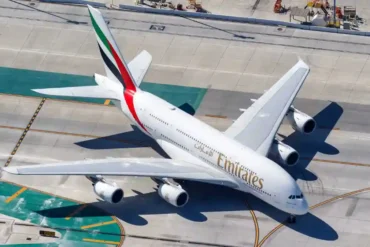
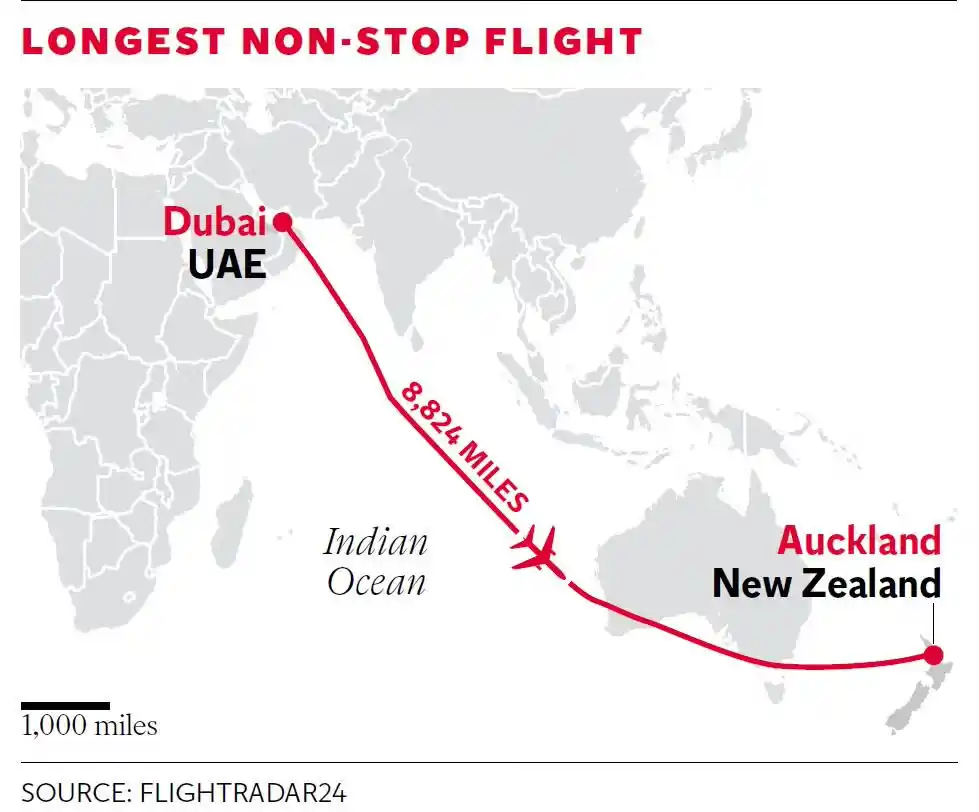
When Emirates launched its nonstop Auckland service in 2016, the airline created one of the most ambitious commercial aviation routes ever attempted. The approximately 8,820-mile (14,200-kilometer) journey connected the Middle East directly with New Zealand using the iconic Airbus A380, eliminating the traditional stopover that had defined long-distance travel between the regions.
However, behind the headlines surrounding this record-setting flight was a quieter and arguably more important decision. Emirates never abandoned its existing Australia-based network. Instead, it maintained a parallel one-stop pathway through destinations such as Sydney, creating a hidden backup system that allowed the airline to serve the same market through multiple strategies.
This approach gave Emirates something many ultra-long-haul operators lack: operational flexibility. Rather than depending entirely on a single nonstop flight, the airline built a network structure capable of adapting to weather disruptions, seasonal demand changes, aircraft availability issues, and shifting passenger preferences.
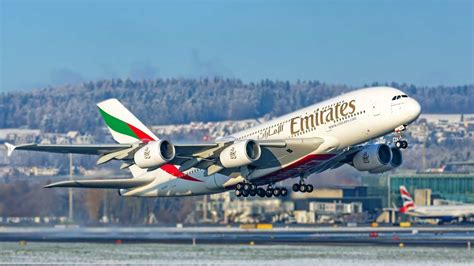
The result is a rare aviation model where two competing concepts operate side by side. The nonstop A380 service represents speed, convenience, and prestige, while the Australia connection represents resilience, connectivity, and commercial adaptability. Together, they reveal how Emirates approaches long-distance flying not simply as a matter of distance, but as a question of network design.
Why Emirates Kept a One-Stop Alternative After Launching the Nonstop A380 Service
The introduction of the Dubai–Auckland nonstop route did not replace Emirates’ Australian strategy. Instead, it expanded it. Before the direct service began, many passengers traveling between New Zealand and Europe, Africa, or the Middle East relied on connections through Australian gateways, particularly Sydney, Melbourne, and Brisbane.
The nonstop flight was created to capture travelers who valued shorter journey times. For premium passengers, especially business travelers and high-value leisure customers, removing a connection represented a major improvement. A flight lasting around 15 hours and 50 minutes eastbound offered a significant competitive advantage compared with itineraries requiring a transfer.
Yet ultra-long-haul flying comes with unique challenges. A route approaching 17 hours in operation is highly sensitive to factors that shorter flights can often ignore. Weather conditions, headwinds, fuel requirements, aircraft weight restrictions, and crew duty limitations can all influence whether a nonstop operation remains commercially attractive.
By keeping its Australian network active, Emirates avoided placing all of its capacity into one extremely long flight. The airline could adjust between direct and connecting options depending on market conditions. During periods when nonstop demand was strong, the A380 could operate at high frequency. During weaker periods, passengers could still travel through established Australian connections.
This created a form of aviation insurance. If the nonstop operation faced temporary limitations, Emirates already had another route structure available rather than needing to rebuild connectivity from scratch.
The strategy also protected Emirates from demand volatility. Ultra-long-haul flights require consistently strong passenger demand because a large aircraft must generate enough revenue across a single departure. A one-stop network allows airlines to combine demand from different markets and spread capacity across multiple city pairs.
For Emirates, the Australian network became more than a backup. It became a complementary business model supporting the airline’s broader presence across the Pacific region.
The Economics of Operating the World’s Longest Airbus A380 Flight
The Dubai–Auckland route demonstrates both the strengths and challenges of using the Airbus A380 for extreme-distance operations. Emirates selected the superjumbo because its enormous capacity helps make the economics of such a long mission more practical.
A typical Emirates A380 configuration carries more than 400 passengers, allowing each departure to generate substantial revenue. On a route where fuel consumption, maintenance requirements, and crew costs are significantly higher than conventional long-haul flights, scale becomes essential.
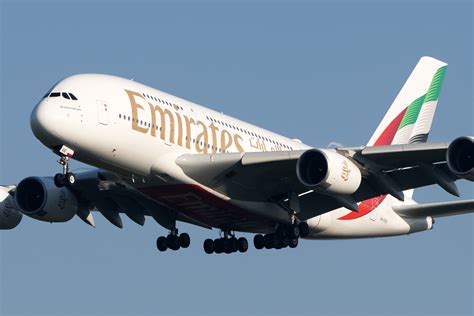
The aircraft’s size allows Emirates to spread operating costs across a larger passenger base. At peak schedules, the route can contribute thousands of seats every week, giving the airline significant market presence between the Middle East and New Zealand.
However, the economics are not simply about filling seats. Every ultra-long-haul route involves complex calculations regarding aircraft utilization, opportunity costs, and network priorities.
An A380 assigned to Auckland cannot simultaneously serve another high-demand destination such as London, New York, or Sydney. Because Emirates operates a global network where aircraft rotations are carefully optimized, assigning one aircraft to an exceptionally long sector requires confidence that the route delivers sufficient value.
Payload management is another important consideration. Although the A380 has impressive range and fuel capacity, ultra-long sectors require careful planning. Higher temperatures, unfavorable winds, and seasonal weather patterns can affect how much cargo and passenger weight can be carried.
This is why Emirates’ alternative Australian routing remains valuable. When conditions make the nonstop service less efficient, the airline has another option that can maintain connectivity while improving operational flexibility.
Emirates’ Hidden Advantage: The Tasman Fifth-Freedom Network
One of the most overlooked elements of Emirates’ Auckland strategy is its use of fifth-freedom rights across the Tasman Sea. These rights allow the airline to carry passengers between Australia and New Zealand despite not being based in either country.
This creates a unique regional network that extends beyond the traditional Dubai-centered hub model. Emirates can serve passengers traveling between Australia and New Zealand while also connecting those markets with its global network.
Sydney has become especially important in this structure. The city functions as both a major international gateway and a regional connection point, allowing Emirates to combine long-haul traffic with additional Australia–New Zealand demand.
Historically, Sydney played a role in supporting connections to Auckland and Christchurch. As demand patterns changed, Emirates adjusted its regional focus, allowing different destinations to serve different market needs.
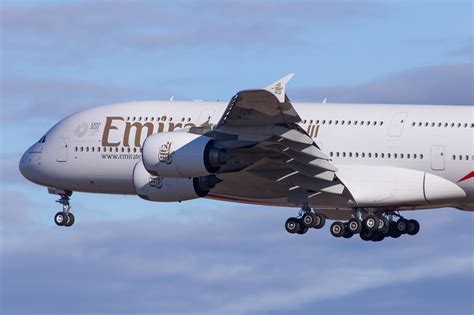
This flexibility provides several commercial advantages. Instead of relying only on passengers traveling between Dubai and Auckland, Emirates can generate revenue from multiple passenger groups. A seat on an Australia–New Zealand sector can contribute financially even when long-haul demand changes.
The A380’s premium cabins also benefit from this strategy. Emirates can offer products such as First Class suites and premium services on shorter regional flights, creating a luxury travel experience in markets where competing airlines may use smaller aircraft.
The Tasman network effectively works as a pressure valve. It absorbs excess capacity, provides alternative travel options, and strengthens Emirates’ overall position in Australasia.
How Aircraft Performance and Sydney Operations Influence Route Decisions
The operational reality of the Dubai–Auckland route is shaped by aircraft limitations as much as passenger demand. The A380 is capable of flying the distance, but the route pushes the aircraft toward the upper boundaries of commercial scheduling.
Westbound operations can be particularly challenging because aircraft may encounter strong headwinds across parts of the journey. These conditions increase fuel requirements and may affect payload calculations.
Temperature also plays a role. Warmer conditions reduce aircraft performance, meaning airlines must carefully evaluate takeoff weight, fuel loads, and cargo capacity.
Seasonality creates another challenge. New Zealand travel demand changes throughout the year, influenced by school holidays, Southern Hemisphere summer travel, and Northern Hemisphere vacation patterns.
During peak periods, increasing nonstop frequency allows Emirates to capture strong demand directly. During quieter seasons, connecting passengers through Australia can provide a more balanced use of aircraft and network resources.
Sydney’s airport operations add another layer. Airport slots are valuable assets, and the timing of arrivals and departures determines how effectively Emirates can connect passengers onward to regional destinations.
The airline’s ability to coordinate Dubai flights, Australian operations, and New Zealand connections demonstrates that route planning involves much more than choosing the shortest path between two cities.
Emirates’ Hybrid Model Compared With the Future of Ultra-Long-Haul Aviation
The future of long-distance aviation is increasingly focused on nonstop travel. New aircraft such as the Airbus A350-1000 are enabling airlines to consider routes that previously seemed impossible, including flights connecting major cities without traditional hubs.
However, Emirates’ Auckland strategy demonstrates that nonstop flying is not always the only answer. A direct route may provide convenience, but a flexible network can provide stability.
This distinction is especially important as airlines explore 18-hour-plus flights. A carrier operating a pure nonstop model may have limited alternatives when aircraft availability changes or demand weakens. Emirates, by contrast, has spent years developing multiple ways to serve the same market.
The airline can shift passengers between nonstop and connecting options without abandoning its presence in New Zealand. That ability reduces commercial risk and improves resilience.
The strategy also reinforces the importance of global hubs. While nonstop flights remove connections, hubs allow airlines to combine demand from many origins. Emirates continues to use Dubai as a powerful transfer point connecting Europe, Africa, Asia, and the Middle East with Australasia.
The Future of Emirates’ Longest A380 Route
Emirates’ Dubai–Auckland operation offers a valuable lesson about the future of ultra-long-haul aviation. The most successful long-distance routes may not simply be the ones that fly the farthest. They may be the ones that combine ambition with adaptability.
The airline’s decision to maintain both the nonstop Airbus A380 service and its Australian connection network created a unique strategic advantage. The nonstop flight delivers speed and prestige, while the backup network provides reliability and commercial flexibility.
As Emirates continues adjusting frequencies and aircraft deployments, Auckland remains an important test case for the future of global aviation. It shows that even in an era obsessed with breaking distance records, the strongest networks are often built on having more than one path forward.
The world’s longest Airbus A380 route is therefore not only a showcase of aircraft capability. It is a demonstration of how a modern airline quietly builds resilience behind the scenes.