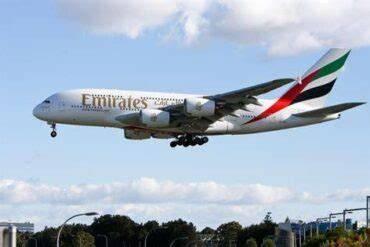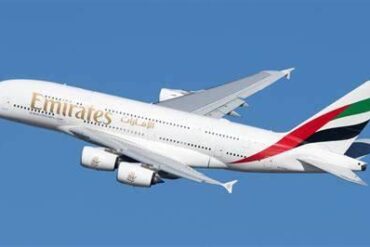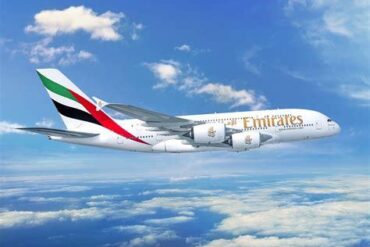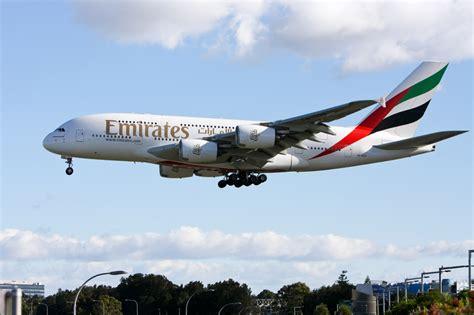
Emirates has reinstated its Airbus A380 superjumbo service between Dubai and Bali, marking the return of one of the world’s most recognizable aircraft to a route strongly associated with global tourism. After a brief five-week absence, the double-deck aircraft resumed flights to Denpasar’s I Gusti Ngurah Rai International Airport, restoring the high-capacity experience that has become popular among travelers heading to the Indonesian island.
The short suspension sparked speculation among aviation observers and regional officials. Some suggested the change reflected political tensions or regulatory requirements, while others believed it was simply a seasonal adjustment tied to passenger demand. The aircraft’s return, however, indicates the interruption was most likely a temporary scheduling substitution rather than a permanent operational change.
The reinstatement highlights how Emirates continues to rely on the Airbus A380 for major leisure markets, where the aircraft’s enormous passenger capacity and premium onboard amenities align with strong tourism demand.
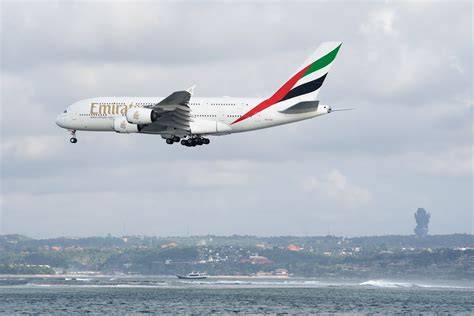
Emirates Restarts A380 Flights to Bali
Emirates last operated the Airbus A380 between Dubai International Airport (DXB) and Bali’s Denpasar Airport (DPS) on January 16 before the aircraft temporarily disappeared from the schedule. During the gap from January 17 to February 24, the airline relied entirely on the Boeing 777-300ER to maintain its service on the 4,043-nautical-mile (7,488-kilometer) route.
On February 25, the superjumbo returned exactly as reflected in the airline’s previously filed schedule with aviation data provider Cirium Diio, suggesting the change had been planned in advance. Operational tracking platforms such as Flightradar24 also confirmed that the aircraft resumed normal activity shortly afterward.
Although the pause lasted only five weeks, the sudden disappearance of the world’s largest passenger aircraft from the Bali route sparked debate about the reasons behind the decision.
Bali Route: A Key Leisure Market for Emirates
Emirates has been serving Bali, Indonesia’s most famous tourism destination, for more than a decade. The airline first launched flights to Denpasar 11 years ago using the Boeing 777-300ER, which remained the primary aircraft on the route for several years.
In 2023, Emirates introduced the Airbus A380 to the Bali service for the first time, reflecting rising demand from international travelers seeking beach holidays and luxury experiences on the island.
The aircraft typically deployed on the route features a two-class configuration with 615 seats, making it one of the highest-capacity passenger aircraft operating anywhere in Southeast Asia. Later in the year, Emirates plans to transition the route to a newly configured 569-seat Airbus A380, representing the airline’s latest cabin refresh.
The use of the A380 is particularly well suited to Bali’s market profile. The island attracts high volumes of long-haul leisure travelers from Europe, the Middle East, and Australia, many of whom connect through Emirates’ Dubai hub.
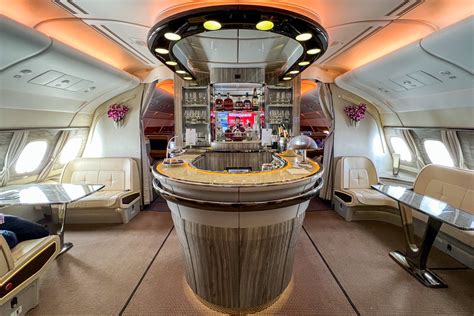
Conflicting Explanations for the Temporary Suspension
During the aircraft’s absence, comments from Indonesian officials created uncertainty about the reasons behind the schedule change.
Lukman Laisa, Indonesia’s Director General of Civil Aviation, publicly stated that Emirates would not be able to operate the Airbus A380 to Bali unless several conditions were fulfilled. These included:
- Establishing a maintenance, repair, and overhaul (MRO) facility in Indonesia
- Hiring additional Indonesian pilots and cabin crew
- Expanding services to more Indonesian cities beyond Bali and Jakarta
Such remarks suggested that the A380 suspension could be linked to regulatory or political considerations.
However, officials at Denpasar Airport presented a much simpler explanation. According to Gede Eka Sandi Asmadi, head of the airport’s Communication and Legal Division, the airline had temporarily removed the A380 due to the low tourism season, when demand typically drops.
From a commercial aviation perspective, the latter explanation aligns with common airline practices. During slower travel periods, carriers often replace larger aircraft with smaller alternatives to maintain profitability and manage seat supply more efficiently.
Dubai Hub Connectivity Drives Passenger Demand
The Dubai–Bali route plays a strategic role within the Emirates global hub network, connecting travelers from Europe, Africa, and the Middle East to Southeast Asia.
Departure and arrival times in Dubai are carefully coordinated to support long-haul connections through Emirates’ massive hub at Dubai International Airport. For many travelers heading to Bali from Europe, the route involves a single transfer in Dubai.
Booking data from December 2024 through November 2025 indicates that more than 1,500 passengers per day connect onward through Dubai, highlighting the route’s importance as part of Emirates’ global network rather than simply a point-to-point service.
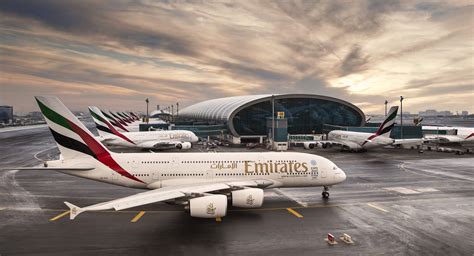
Two Daily Flights Linking Dubai and Bali
Under normal circumstances, Emirates operates two daily flights between Dubai and Bali. One service is typically operated by the Airbus A380, while the second uses the Boeing 777-300ER.
The scheduled flight timings are designed to maximize connectivity:
- Dubai to Bali:
- 3:25 AM departure, 4:35 PM arrival
- 9:10 AM departure, 10:25 PM arrival
- Bali to Dubai:
- 12:35 AM departure, 5:35 AM arrival
- 7:45 PM departure, 12:50 AM arrival (+1)
However, operational realities sometimes affect schedules. At the time of the A380’s return, only one of the two daily flights had resumed operation, with the first restored service departing on March 6. The timing of the second daily service returning remains uncertain.
Growing Competition in the Bali Market
The route also reflects broader competition among the Middle East’s major long-haul carriers. In 2026, the so-called Middle East Big Three — Emirates, Etihad Airways, and Qatar Airways — all serve Bali, collectively offering up to six daily flights from their respective hubs.
Bali remains one of Southeast Asia’s most competitive tourism gateways. Another nearby beach destination, Phuket in Thailand, actually receives even more Middle Eastern airline service. Up to ten carriers operate flights there, with as many as 19 daily departures, including 12 flights operated by Emirates, Etihad, and Qatar Airways combined.
Within this competitive environment, deploying the Airbus A380 gives Emirates a clear capacity advantage, allowing the airline to move large numbers of passengers efficiently while maintaining the onboard luxury experience that has become synonymous with the superjumbo.
For travelers heading to Bali, the aircraft’s return signals more than a simple fleet adjustment. It represents the continued importance of high-capacity aircraft in global leisure travel, particularly on routes where demand surges during peak tourism seasons.
FAQs
Why did Emirates temporarily stop using the A380 on the Dubai–Bali route?
The suspension likely resulted from seasonal demand adjustments during Bali’s low tourism season, prompting Emirates to substitute the smaller Boeing 777-300ER temporarily.
When did Emirates resume Airbus A380 flights to Bali?
The Airbus A380 returned to the route on February 25, following the previously filed schedule with aviation data provider Cirium.
How many Emirates flights operate between Dubai and Bali?
Emirates typically operates two daily flights, one using the Airbus A380 and the other using the Boeing 777-300ER, though operational conditions can affect frequency.