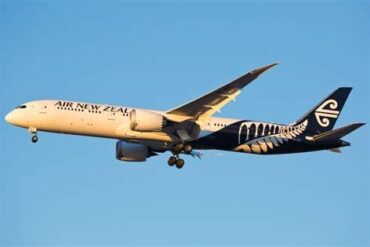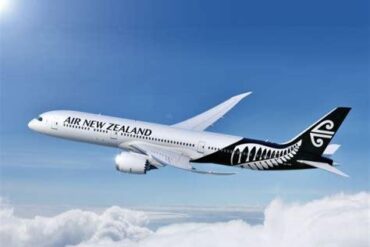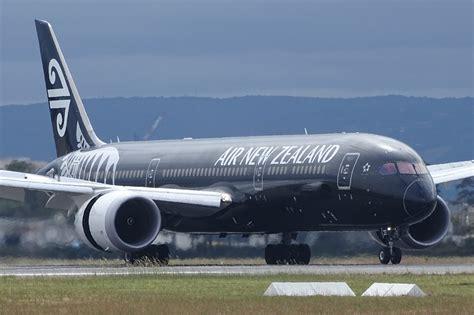
Air New Zealand has reached a major operational milestone after returning its final Boeing 787-9 Dreamliner to scheduled service, bringing an end to one of the airline’s most disruptive fleet challenges in recent years. The return of aircraft ZK-NZD marks the conclusion of a lengthy period during which the carrier struggled with the global Rolls-Royce Trent 1000 engine shortage, a problem that affected airlines worldwide and significantly reduced long-haul capacity across multiple continents.
The restoration of the airline’s complete Dreamliner fleet represents more than the return of a single aircraft. It signals the recovery of critical long-haul capacity, greater schedule reliability, and renewed confidence in Air New Zealand’s international growth plans. With every Boeing 787-9 now available for service, the airline is once again positioned to fully utilize one of the most fuel-efficient widebody fleets operating in the Asia-Pacific region.
For passengers, the timing is equally significant. As demand for international travel continues to strengthen, Air New Zealand can now expand frequencies, restore suspended services, and accelerate its premium cabin modernization program without the operational limitations that have weighed on the airline for nearly a year.
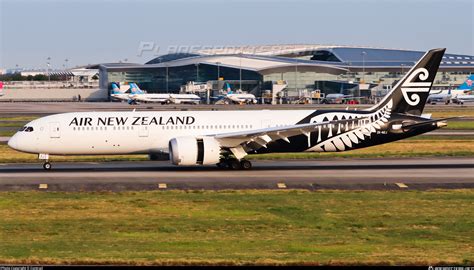
Rolls-Royce Trent 1000 Engine Problems Severely Reduced Dreamliner Capacity
The Rolls-Royce Trent 1000 durability issues created widespread operational headaches for airlines operating early-generation Boeing 787 aircraft. Air New Zealand was among the carriers most heavily affected, with as many as five of its fourteen Boeing 787-9 Dreamliners unavailable at the peak of the disruption. Losing more than one-third of its Dreamliner fleet forced the airline to reduce long-haul capacity while seeking alternative solutions to maintain international schedules.
To minimize disruption, Air New Zealand even wet-leased a Boeing 777-300ER previously operated by Cathay Pacific. Although the additional aircraft helped preserve key routes, it could not fully replace the efficiency, passenger experience, and lower operating costs offered by the Dreamliner fleet. The prolonged engine overhaul process demonstrated how global supply chain shortages continue to affect modern aviation long after the initial technical issues emerged.
ZK-NZD Returns From Storage Following Months in Australia’s Aircraft Preservation Facility
Aircraft ZK-NZD, the final Dreamliner awaiting repairs, entered storage at Asia Pacific Aircraft Storage located at Alice Springs Airport in September of last year. The Australian desert facility has become an important location for aircraft preservation thanks to its dry climate, which minimizes corrosion during extended storage periods.
After completing the required engine work, the aircraft departed Alice Springs on June 28, operating a ferry flight back to Auckland Airport. Following just over two days of inspections, system checks, and final preparation, the nearly 13-year-old Dreamliner resumed scheduled passenger operations as Flight NZ8 to San Francisco. Since returning to commercial service, ZK-NZD has also completed flights to destinations including Rarotonga, Nadi, Brisbane, and Perth, demonstrating a smooth return to normal operations.
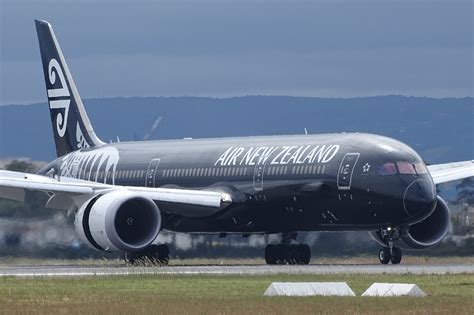
Aircraft Retrofit Program Delivers a Modern Passenger Experience
The aircraft’s extended downtime also provided Air New Zealand with an opportunity to accelerate its ambitious Boeing 787-9 cabin retrofit program. Rather than simply returning aircraft with refreshed engines, the airline has been modernizing interiors across the fleet to improve comfort and strengthen its competitive position on premium international routes.
Passengers will benefit from redesigned Business Premier cabins, upgraded Premium Economy seating, and numerous improvements throughout the Economy cabin. The comprehensive refurbishment aligns the airline’s existing Dreamliners with its newest aircraft and creates a more consistent onboard experience across the fleet. Air New Zealand expects every Boeing 787-9 to feature the updated interior before the end of the year.
Full Dreamliner Fleet Supports International Network Expansion
With all Dreamliners once again available, Air New Zealand is preparing for measured expansion across its international network. The additional capacity supports the return of long-haul services from Christchurch, including three weekly flights to Perth, Singapore, and Tokyo Narita, strengthening direct international connectivity for New Zealand’s South Island.
The airline also expects delivery of two additional Boeing 787-9 aircraft later this year, further increasing widebody capacity. According to Air New Zealand’s long-term strategy, these aircraft will support sustainable international growth while improving fleet flexibility and operational resilience. Combined with the completion of the retrofit program, the expanded Dreamliner fleet places the carrier in a stronger position to meet growing travel demand throughout the Asia-Pacific and North American markets.
Engine Recovery Marks a Turning Point for Air New Zealand
The successful return of ZK-NZD closes an exceptionally challenging chapter for Air New Zealand. Close collaboration with Asia Pacific Aircraft Storage enabled efficient engine removals and overhaul logistics, reportedly reducing maintenance time by several months while avoiding additional transportation delays.
Today, Air New Zealand operates a diverse fleet that includes Boeing 787-9 Dreamliners, Boeing 777-300ERs, Airbus A320ceo, Airbus A321neo, ATR 72-600, and De Havilland Q300 aircraft. With its entire Dreamliner fleet restored and additional aircraft arriving soon, the airline has finally emerged from the Rolls-Royce Trent 1000 disruption with renewed capacity, upgraded cabins, and stronger momentum for international expansion.