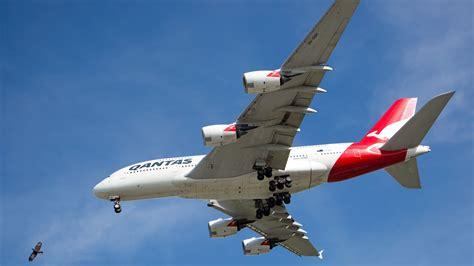
Qantas has completed one of the most ambitious widebody restoration efforts in recent aviation history, reactivating its tenth and final Airbus A380 after nearly six years in storage. The aircraft, registered VH-OQC and named Paul McGinness after one of the airline’s founders, marks the full restoration of Qantas’ superjumbo fleet—a milestone the carrier once believed might never happen. Its return strengthens long-haul capacity ahead of a period of steadily rising international demand.
A380 Reactivation Signals Full Fleet Restoration
The arrival of VH-OQC at Sydney Kingsford Smith Airport represented far more than a homecoming flight. According to Flightradar24, the superjumbo touched down after almost 2,000 days away from Australian soil, concluding a long and complex journey that began at the onset of global travel shutdowns. The aircraft was initially stored at Victorville Airport in California, later moving to Abu Dhabi for deep preservation as Qantas recalibrated its long-term fleet strategy.
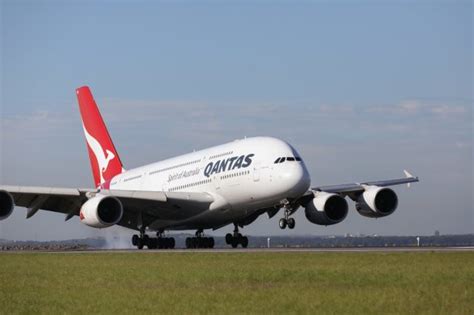
Delivered in December 2008 as Qantas’ third A380, VH-OQC is powered by four Rolls-Royce Trent 900 engines and has accumulated more than 50,000 flight hours and over 4,400 cycles. The airline’s renewed commitment to the A380 program has been reinforced by strong customer demand. CEO Cam Wallace noted that more than a million passengers flew on A380 routes last year alone, underscoring the aircraft’s enduring popularity.
A Massive Engineering Undertaking
Reactivating an A380 after such an extended period is a feat that borders on the extreme. The scale of the project required more than 100,000 hours of engineering work, making it the largest maintenance check Qantas has ever completed. The superjumbo underwent landing gear replacement, heavy structural inspections, and a full interior refurbishment aligned with the airline’s renewed long-haul service standards.
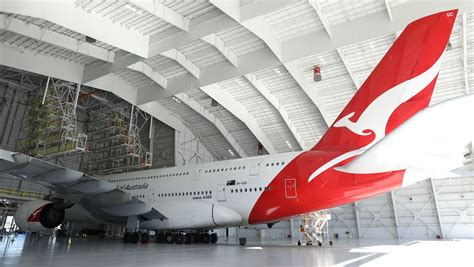
This final aircraft marks the conclusion of a four-year process that began when the first grounded A380 returned from the Californian desert in 2021. Qantas originally operated twelve A380s, but only ten have been reactivated; the remaining two—VH-OQE and VH-OQF—were used as valuable donor aircraft. With Airbus discontinuing A380 production in 2021, the spare parts harvested from these airframes allowed Qantas to maintain the long-term viability of its superjumbo fleet.
Every reactivated A380 features Qantas’ new premium-focused interior layout, which includes an expanded business and premium economy section, updated first class suites, and a redesigned upper-deck lounge. The aircraft now seats 485 passengers across four cabins: 14 in first, 70 in business, 60 in premium economy, and 341 in economy—reflecting shifts in global demand for premium travel.
Operational Role Before Full Deployment
With its reactivation complete, VH-OQC will initially operate as an operational spare, supporting the network during the high-traffic holiday season. This spare-window role gives the airline the flexibility to substitute the aircraft across long-haul destinations where extra capacity is needed.
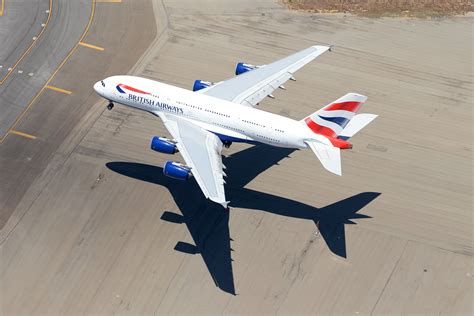
Beginning January 2026, the aircraft is scheduled for daily deployment on the Sydney–Dallas/Fort Worth route. This route currently holds the distinction of being the world’s longest A380 service by block time, with the return sector from Dallas stretching to 17 hours and 25 minutes. The extra superjumbo will bolster Qantas’ ability to offer consistent capacity on this crucial transpacific link.
Alongside Dallas, the Qantas A380 network includes Singapore, Johannesburg, Los Angeles, and London, all markets where the high-capacity, long-range A380 remains a strategic asset.
A380 Future Extends Well Into Next Decade
Despite earlier speculation that Qantas might retire its A380 fleet permanently during the pandemic, the carrier has instead charted a long-term operational future for the type. Qantas now expects the A380 to remain active through the early 2030s, with gradual retirement planned to begin around 2032.
VH-OQC’s return represents more than a restoration success—it reinforces how the A380, once thought too large for the post-pandemic landscape, still holds relevance for high-density, slot-constrained, and ultra-long routes. As global travel continues its recovery, Qantas is using the strengths of the superjumbo—capacity, comfort, and long-range capability—to anchor some of the world’s most demanding air services.
Qantas’ full A380 revival signals confidence not only in the aircraft but in the long-haul market itself, suggesting that the next decade of Australian international aviation will be shaped by both resilience and bold fleet strategy.