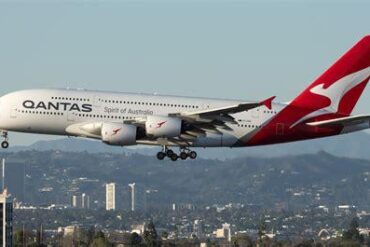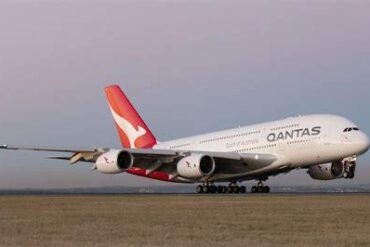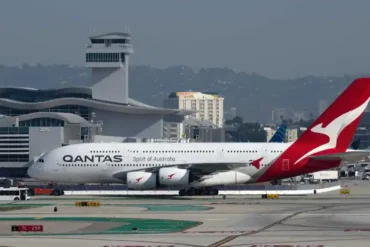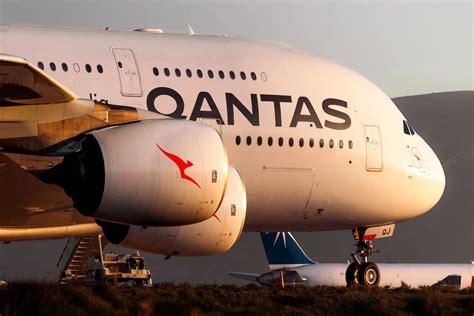
Australian flag carrier Qantas is preparing to end its Airbus A380 operations between Melbourne Airport and Los Angeles International Airport, marking another step in the airline’s gradual adjustment of its superjumbo network. The final A380 flight on the route is scheduled for October 24, 2026, after which the service will be operated exclusively by the more fuel-efficient Boeing 787-9 Dreamliner.
The decision represents the end of an important chapter for Qantas’ double-decker aircraft at one of Australia’s busiest international airports. The Airbus A380 has been a major part of the airline’s long-haul strategy for more than a decade, offering passengers four classes of service and one of the most recognizable premium travel experiences in the world.
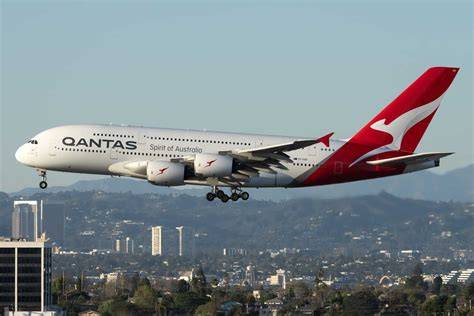
Qantas will continue operating its Airbus A380 fleet from Melbourne on selected international routes, including services to Singapore Changi Airport and onward flights to London Heathrow Airport. However, the withdrawal from Los Angeles means that the iconic aircraft will become increasingly concentrated on routes where its capacity and passenger demand are better aligned.
Boeing 787-9 Replaces A380 as Qantas Focuses on Efficiency
The replacement of the Airbus A380 with the Boeing 787-9 reflects changing priorities in the global aviation industry. While the A380 remains popular among passengers because of its spacious cabin and quiet flight experience, the aircraft’s size and operating costs make it less flexible compared with newer-generation twin-engine aircraft.
The Boeing 787-9 offers Qantas greater efficiency, allowing the airline to maintain long-haul connectivity while reducing fuel consumption and operating expenses. For routes where demand fluctuates throughout the year, the Dreamliner provides more scheduling flexibility than the larger four-engine A380.
Qantas’ Melbourne–Los Angeles route has seen fewer A380 departures compared with the period before the COVID-19 pandemic. The airline operated 85 scheduled A380 departures from Melbourne in 2026, compared with 115 in 2025 and 105 in 2024. Before the pandemic, annual A380 operations from Melbourne were significantly higher, reaching 730 departures in 2019.
The move also allows Qantas to redeploy its superjumbo aircraft toward routes where additional capacity remains valuable, particularly services connecting Australia with major Asian and European destinations.
Melbourne Airport Continues to See Strong Airbus A380 Activity
Although Qantas is ending A380 flights to Los Angeles, Melbourne Airport will continue to welcome the aircraft type. According to aviation schedule data, 2026 is expected to become the strongest year for A380 operations at Melbourne since the pandemic, with more than 1,000 Airbus A380 departures scheduled.
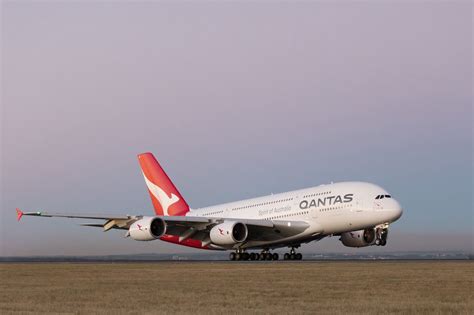
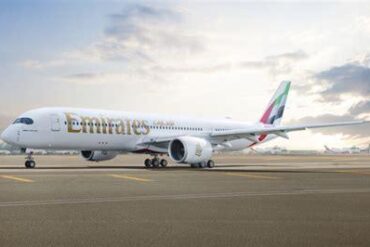
The remaining operators will include Qantas, Emirates, and Singapore Airlines. Emirates will continue flying the A380 between Melbourne and Dubai, while Qantas and Singapore Airlines will maintain services connecting Melbourne with Singapore.
The recovery of A380 operations highlights the aircraft’s continued relevance on high-demand international routes. After the pandemic caused many airlines to temporarily ground or permanently retire their A380 fleets, passenger demand has encouraged several carriers to return the aircraft to service.
Before COVID-19, Melbourne hosted A380 flights from several international airlines, including China Southern, Etihad Airways, Malaysia Airlines, and Qatar Airways. However, changes in fleet strategy and network planning have reduced the number of operators using the aircraft at the airport.
Qantas Maintains a Fleet of Ten Airbus A380 Aircraft
Despite reducing A380 operations on some routes, Qantas remains one of the world’s significant Airbus A380 operators. The airline currently operates a fleet of ten superjumbos, all configured with a four-class cabin layout.
Each aircraft can carry 485 passengers, including 14 seats in first class, 70 in business class, 60 in premium economy, and 341 in economy class. The configuration reflects Qantas’ focus on premium long-haul travel, especially on routes connecting Australia with major international business and tourism markets.
The airline completed a major refurbishment program before returning its entire A380 fleet to regular service. These upgrades included refreshed cabins, improved passenger comfort, and updated onboard products designed to keep the aircraft competitive against newer wide-body aircraft.
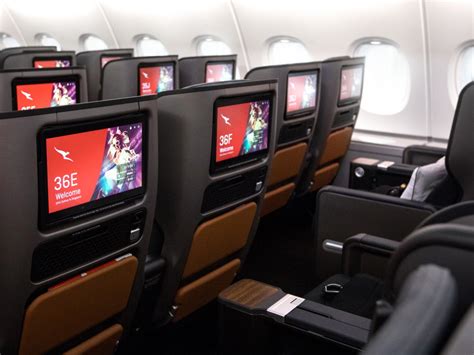
The fleet includes aircraft named after notable Australian aviation figures and pioneers, such as Nancy Bird Walton, Hudson Fysh, Charles Ulm, and David Warren. These aircraft remain an important symbol of Qantas’ international identity.
The End of an Era for Melbourne–Los Angeles A380 Flights
The final Melbourne–Los Angeles Airbus A380 service on October 24, 2026 will mark another milestone in the aircraft’s changing role at Qantas. While the superjumbo will not disappear from the airline’s network, its presence will become more focused on routes where passenger demand justifies its size.
For travelers who enjoy the unique experience of flying on the world’s largest passenger aircraft, Qantas’ remaining A380 routes will continue to provide opportunities to experience the aircraft. However, the shift toward the Boeing 787-9 reflects the broader transformation of long-haul aviation, where efficiency, flexibility, and lower operating costs increasingly influence fleet decisions.
The Melbourne–Los Angeles route will continue under Qantas’ international network, but from October 2026 it will enter a new era powered by the Dreamliner rather than the double-deck giant that helped define modern premium air travel.