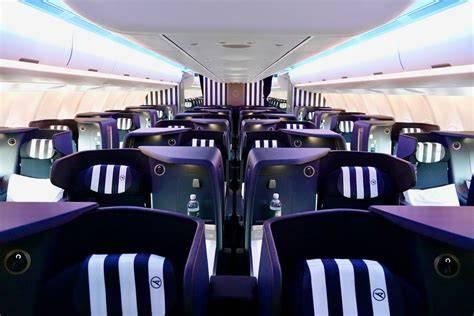
Condor has quietly begun pulling printed inflight shopping magazines out of seat-back pockets, moving from one copy per passenger to a shared ration of two magazines for every three seats on short-haul flights. The German leisure carrier confirmed the change has been running as a trial since November 1, framing it as a small but deliberate strike against the weight that every jet hauls into the sky. On long-haul aircraft, the ratio tightens further to one magazine per two seats, meaning a passenger in a middle seat can now look forward to a safety card, a sick bag and a Skyline Café menu, and very little else.
How Condor’s Seat-Back Reading Has Changed
The arithmetic of the shift is simple, and that is precisely the point. Where a cabin once carried a glossy shopping title for every traveller, it now carries roughly two-thirds of that load on European sectors and half of it on intercontinental routes. Condor’s reasoning rests on a behavioural assumption the airline is willing to test in public: no passenger reads an inflight magazine from take-off to landing, so a degree of sharing can absorb the shortfall without denting the revenue those magazines generate. The trial will run through the winter flying season, after which Condor will decide whether the arrangement earns a permanent place in its cabins.

The Inflight Magazine as a Weight Problem
Every kilogram aboard an aircraft has a price, and paper is among the least glamorous line items on that ledger. Condor’s ambition extends beyond the shopping title itself. The magazine could eventually disappear from cabins altogether, because the same onboard shop catalogue is already available digitally through the inflight entertainment system, giving passengers a screen-based route to the same offers. That digital escape hatch makes the printed copy a candidate for full retirement rather than permanent rationing, though the carrier has stopped short of promising removal.
Condor’s Cabin Clearings and Wider Efficiency Program
The magazine reduction sits inside a much broader audit of everything that moves through a Condor cabin. The airline conducts cabin clearings in which all movable items are lifted out of the aircraft, checked and assessed for whether they still earn their place on board. Safety-critical equipment required for flight operations stays, without exception. Savings emerge from eliminating duplicate items or swapping heavy materials for lighter alternatives, with every opportunity documented and then assessed in detail before anything is removed. “The reduced availability of printed inflight magazines is one specific measure within the program,” an airline spokesperson told AeroTelegraph.
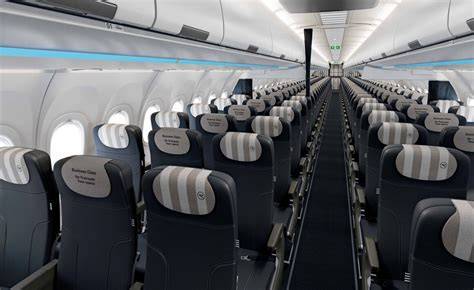
Soaring Kerosene Prices Drive the Search for Savings
The urgency behind these micro-decisions is financial. Condor raised revenue to €2.35 billion ($2.59 billion) in the 2024/2025 financial year, an 11% improvement, yet still posted a net loss of €110 million ($121 million). With jet fuel prices climbing, the carrier has set its sights on roughly €200 million ($220 million) in savings across two fiscal years, including a €100 million ($110 million) “Future Pact” target, €65 million ($71.5 million) from licensing and contracts, €35 million ($38.5 million) from staffing reductions and a further €10 million ($11 million) trimmed from the flight attendant budget. Against redundancies of that scale, every gram of paper left on the ground reads as a euro kept on the balance sheet.
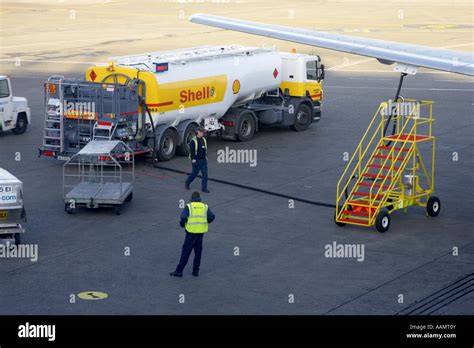
What the Magazine Cut Means for Passengers
Travellers will notice the change most in the small ceremony of settling into a seat. The pocket that once held a browseable catalogue now offers safety information, a bag and a menu. Condor is betting that passengers will simply share, or turn to the seat-back screen, and that in-flight sales will hold. Whether that bet pays off will be settled by the end of winter, when the airline weighs the fuel saved against the catalogues unsold, and decides if a small cut in paper deserves a permanent place in its cost-cutting playbook.