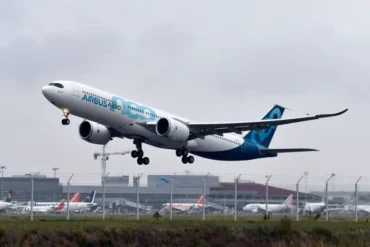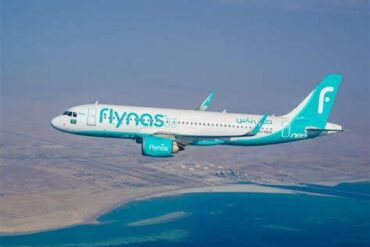
Airbus is approaching a major commercial breakthrough ahead of the Farnborough Airshow, with two airlines preparing to finalize new orders for more than a dozen A330neo widebody aircraft. Saudi low-cost carrier Flynas and German leisure airline Condor are reportedly close to securing agreements with Airbus, highlighting continued confidence in the long-haul capabilities of the A330neo family.
According to reports, Flynas is moving toward an order for eight Airbus A330neo aircraft, while Condor is negotiating a purchase of six additional jets. Completing these deals before one of the aviation industry’s most important trade events would strengthen Airbus’ widebody backlog and demonstrate growing demand for efficient aircraft capable of supporting international expansion.
The potential agreements represent different strategic goals for the two airlines. Flynas is focused on building a stronger global network from Saudi Arabia, while Condor is entering a new phase after completing a major fleet modernization program. Both carriers see the A330neo as a key tool for improving efficiency, expanding routes, and controlling operating costs.

Flynas Expands Long-Haul Ambitions With Airbus A330neo Fleet
The possible Flynas order would add to the airline’s existing commitment for 30 A330-900 aircraft, with initial deliveries from its current backlog expected to begin in 2027. The Saudi carrier has become one of the most ambitious low-cost airlines in the Middle East, using modern aircraft to support the country’s rapidly expanding tourism and aviation sectors.
Founded in 2007, Flynas was Saudi Arabia’s first low-cost airline and has grown into a major regional operator. The airline currently operates more than 60 aircraft, serving over 100 destinations across domestic and international markets. Its fleet expansion strategy aligns closely with Saudi Arabia’s Vision 2030, which aims to transform the country into a global tourism and transportation hub.
The government initiative targets dramatically increased international connectivity, including plans to support flights to hundreds of destinations and attract hundreds of millions of travelers. For Flynas, additional A330neo aircraft provide the range and capacity needed to establish more long-distance routes while maintaining the cost advantages expected from a low-cost business model.
Airbus has emphasized that the A330neo offers significant benefits for airlines already operating Airbus narrowbody aircraft. The commonality between the A320 family and A330neo allows carriers like Flynas to simplify pilot training, maintenance procedures, and operational planning.
Airbus Commercial Aircraft CEO Christian Scherer previously highlighted that the A330neo enables airlines to grow into widebody markets while benefiting from Airbus’ shared aircraft philosophy. This flexibility makes the aircraft particularly attractive for airlines seeking international growth without adopting an entirely new fleet structure.
Condor Continues A330neo Fleet Growth Strategy
For Germany’s Condor, the planned six-aircraft order represents a shift from replacement toward expansion. The airline has spent recent years modernizing its long-haul fleet by replacing older Airbus A330ceo aircraft and Boeing 767 jets with the more efficient A330neo.
Condor currently operates 18 A330neo aircraft, meaning the additional purchase would increase its fleet size by roughly 20%. The move signals confidence in future demand for leisure and long-haul travel, especially as the airline strengthens its position in international markets.
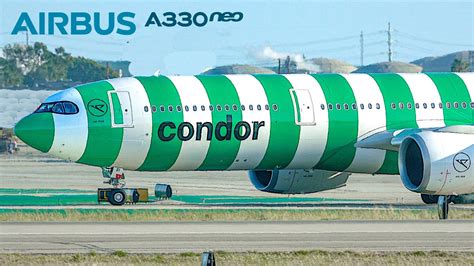
The A330neo offers several operational advantages for Condor. Maintaining a single widebody aircraft type reduces complexity by lowering crew training expenses, simplifying spare parts management, and improving maintenance efficiency. These benefits are especially valuable for airlines facing uncertain fuel prices and continuing supply chain challenges.
Powered by Rolls-Royce Trent 7000 engines, the A330-900 provides substantial fuel efficiency improvements compared with previous-generation aircraft. Airbus estimates the aircraft can achieve fuel consumption of around 2.1 liters per passenger per 100 kilometers, making it one of the most efficient widebody jets in its category.
The aircraft can also operate with up to 50% sustainable aviation fuel blends, helping airlines reduce emissions while preparing for stricter environmental requirements in Europe and other major aviation markets.
Airbus Strengthens Widebody Position Before Farnborough
The expected Flynas and Condor deals underline Airbus’ continued success with the A330neo program. While the aircraft competes with newer widebody models, its combination of range, efficiency, and lower acquisition costs remains attractive to airlines seeking reliable long-haul solutions.
Ahead of the Farnborough Airshow, these potential orders provide Airbus with additional momentum in the competitive commercial aircraft market. As airlines worldwide balance fleet renewal, sustainability targets, and international growth plans, the A330neo continues to serve as a practical choice for expanding global connectivity.