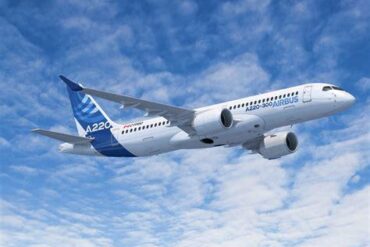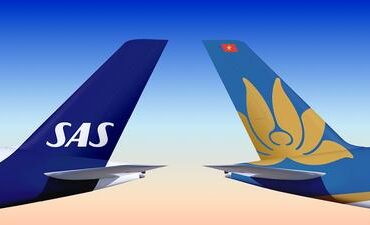
Airbus is reportedly closing in on a significant long-haul aircraft agreement with Scandinavian Airlines (SAS), a deal that could see the Nordic carrier acquire between 15 and 20 new widebody aircraft. According to industry reports, the proposed order is expected to include a combination of Airbus A330neo and Airbus A350 jets, with deliveries beginning in the early 2030s. If finalized, the agreement would represent one of the most important European airline fleet decisions of the year and further strengthen Airbus’ position in the competitive long-haul market.
The potential acquisition comes at a crucial moment for SAS as the airline continues to reshape its network strategy and position itself for future international growth. Demand for long-haul travel has rebounded strongly across many markets, prompting airlines to secure aircraft years in advance amid ongoing production constraints and limited delivery availability. For SAS, the decision appears to reflect a careful balance between expansion ambitions, operational efficiency, and long-term fleet planning.
The reported order would also reinforce Airbus’ long-standing relationship with the Scandinavian carrier. Rather than introducing an entirely new aircraft family, SAS appears ready to continue building upon an already established Airbus ecosystem across its long-haul operations.
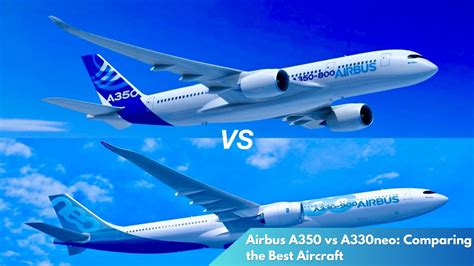
Fleet Commonality Emerges As A Decisive Advantage
One of the strongest factors supporting Airbus’ apparent victory in the competition is fleet commonality. SAS currently operates an all-Airbus widebody fleet consisting of Airbus A350-900 aircraft alongside Airbus A330-300 jets. Expanding that existing framework offers substantial operational benefits compared with introducing a new aircraft platform.
Maintaining a consistent aircraft family allows airlines to streamline pilot training, simplify maintenance procedures, optimize spare parts inventories, and reduce operational complexity. These efficiencies have become increasingly valuable as airlines face higher operating expenses, labor shortages, and supply chain disruptions affecting the aviation sector.
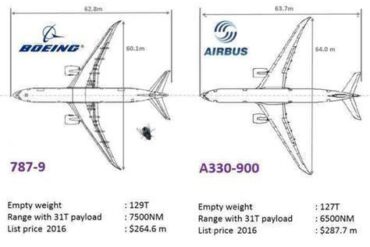
Although Boeing’s 787 Dreamliner remains one of the industry’s most successful long-haul aircraft programs and the upcoming 777X promises impressive capacity growth, either option would require SAS to invest heavily in new infrastructure, training, certification programs, and maintenance support systems. Such costs can quickly offset potential advantages offered by alternative aircraft types.
For an airline focused on disciplined and sustainable growth, remaining within the Airbus ecosystem presents a compelling economic argument. The reported decision highlights how fleet simplification continues to influence aircraft procurement strategies throughout the global airline industry.
Supporting SAS’ Long-Haul Growth Ambitions
SAS has been increasingly vocal about its plans to expand intercontinental operations. Earlier this year, Chief Executive Anko van der Werff confirmed that the airline was evaluating a substantial widebody aircraft purchase to support future long-haul growth. At the time, both Airbus and Boeing remained under consideration.
Since then, the carrier has accelerated efforts to strengthen its international network. New long-haul routes from Copenhagen have reinforced the city’s importance as SAS’ primary connecting hub, while the airline’s integration into the SkyTeam alliance has expanded opportunities for global connectivity and partnership growth.
The investment by Air France-KLM has further enhanced SAS’ strategic position within Europe’s airline landscape. As a result, additional aircraft capacity will be essential for supporting future network development across North America, Asia, and other long-haul markets.
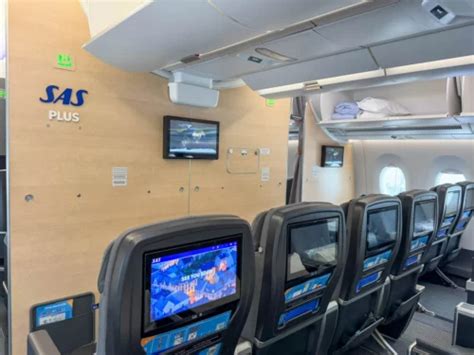
The proposed mix of A330neo and A350 aircraft suggests that SAS is seeking flexibility rather than relying on a single aircraft model. Each type fulfills a distinct role within a modern long-haul fleet, allowing the airline to deploy capacity more efficiently across different markets.
Why The A330neo And A350 Make Strategic Sense
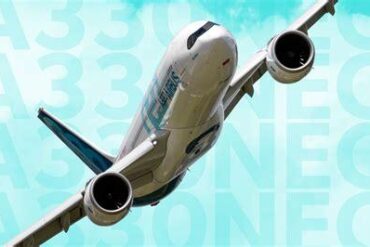
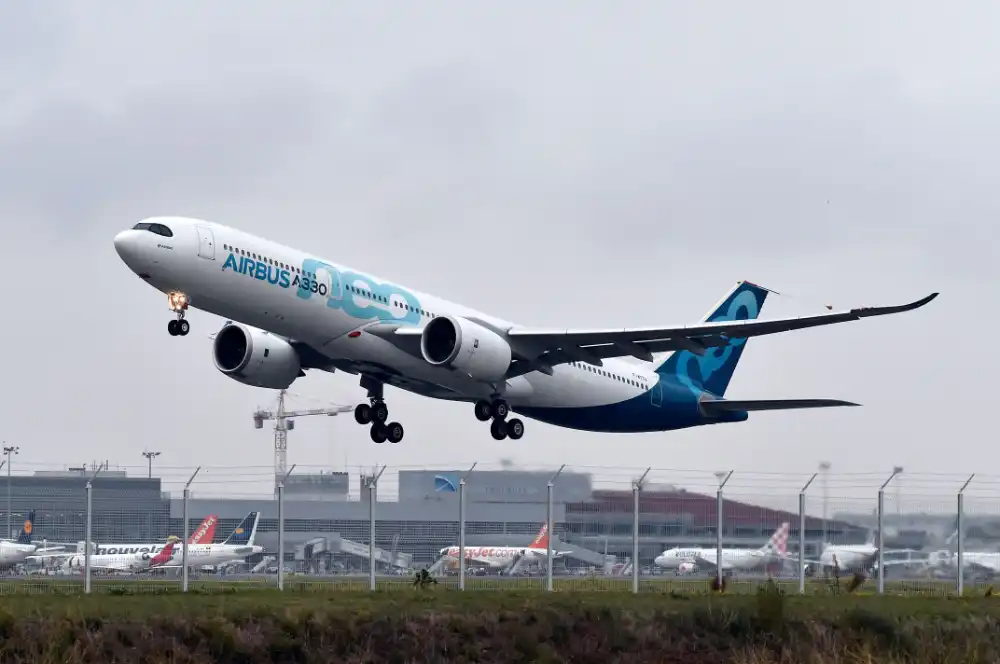
The Airbus A330neo has emerged as an attractive solution for airlines seeking lower acquisition costs while maintaining excellent fuel efficiency. Its economics make it particularly well suited for medium- and long-haul routes where demand may not justify larger aircraft.
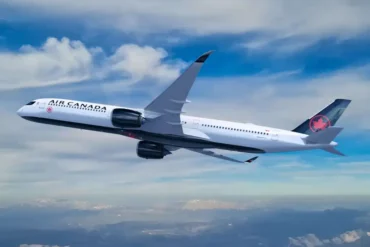
Meanwhile, the Airbus A350 offers greater passenger capacity, longer range capabilities, and exceptional fuel efficiency on high-demand international services. The aircraft has become one of Airbus’ flagship products and is widely regarded as one of the most advanced long-haul airliners currently in service.
Together, the two aircraft types create a highly adaptable fleet structure. Airlines can match aircraft size to market demand, improving profitability while maintaining scheduling flexibility. This approach has become increasingly important as travel patterns continue evolving following the post-pandemic recovery.
The combination would also provide SAS with a modern fleet capable of serving the airline well into the 2040s, replacing older aircraft while supporting future growth opportunities.
A Strategic Victory For Airbus In Northern Europe
For Airbus, securing the SAS order would represent another important win in the ongoing competition with Boeing for long-haul aircraft sales. Demand for next-generation widebody aircraft remains strong as airlines replace aging fleets and prepare for future growth.
The deal would add further momentum to Airbus’ already substantial order backlog for both the A330neo and A350 families. It would also reinforce the manufacturer’s influence in Northern Europe, where SAS remains one of the region’s most recognizable and influential airline brands.
While neither Airbus nor SAS has publicly confirmed the reported negotiations, industry observers view the agreement as a logical outcome given the airline’s existing fleet structure and strategic priorities. If finalized, the order would provide SAS with the modern aircraft needed to pursue its long-haul ambitions throughout the next decade while delivering Airbus another high-profile endorsement of its widebody product lineup.
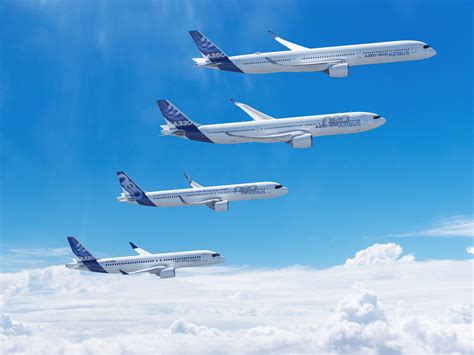
As competition for aircraft delivery slots intensifies worldwide, securing up to 20 new widebody aircraft could prove transformative for SAS. Beyond fleet renewal, the acquisition would position the airline to capitalize on growing international travel demand and strengthen its role as a major Scandinavian gateway through the 2030s and beyond.