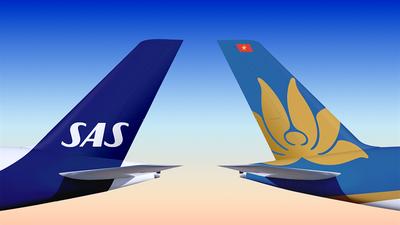
The skies between Northern Europe and Southeast Asia are growing closer, as Scandinavian Airlines (SAS) and Vietnam Airlines announce a significant codeshare partnership that promises to revolutionize travel between Denmark, Sweden, Norway, and Vietnam. This strategic alliance enhances connectivity, elevates passenger convenience, and strengthens intercontinental loyalty benefits, signaling a renewed momentum for global aviation cooperation.
For travelers across the Nordic countries, this move translates into direct booking access and optimized route flexibility to the rapidly growing Vietnamese market. Likewise, Vietnamese passengers will enjoy smoother travel to key Northern European destinations, riding on the well-established network SAS has built over decades.
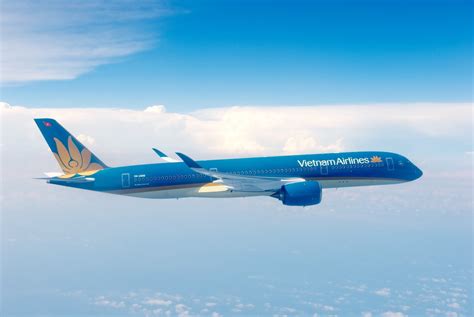
Strengthening Intercontinental Connectivity Between Northern Europe and Southeast Asia
The announcement is not merely a commercial alliance but a gateway that enhances socio-economic and tourism ties between Scandinavia and Vietnam. Under this new codeshare arrangement, Vietnam Airlines will place its flight code on SAS-operated routes that connect major Nordic hubs—Copenhagen, Stockholm, and Oslo—with a wide array of European destinations. In return, SAS customers can book travel to Vietnam Airlines’ long-haul services between Europe and Hanoi or Ho Chi Minh City, along with regional connections in Southeast Asia.
This initiative builds upon both airlines’ mutual membership in the Star Alliance, allowing for deeper operational cooperation, including synchronized timetables, shared airport lounges, and aligned customer service policies.
Passengers can now seamlessly plan and book their journeys through either airline’s platforms, eliminating fragmented itineraries and cutting down on inconvenient layovers and separate bookings. The codeshare applies not only to long-haul intercontinental legs but also to regional feeder flights, integrating local and international connections into a single, cohesive network.
Boosting Reward Loyalty: Mileage, Upgrades, and Privileges
One of the most powerful elements of this partnership lies in the enhanced frequent flyer program benefits. With the codeshare in effect, EuroBonus members from SAS and Lotusmiles members from Vietnam Airlines will enjoy reciprocal privileges across both carriers:
- Earn and redeem miles on eligible flights operated by either airline.
- Priority check-in, security screening, and boarding for elite members.
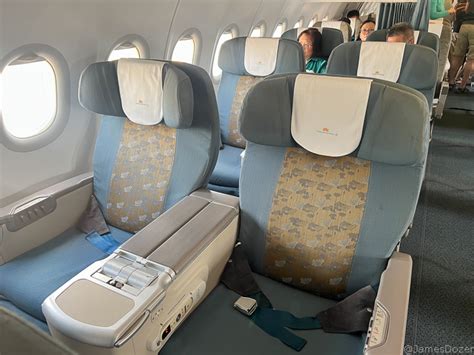
- Access to business class and Star Alliance Gold lounges across both networks.
- Increased upgrade opportunities using points, whether flying on SAS or Vietnam Airlines.
For the growing number of business and leisure travelers between Northern Europe and Southeast Asia, this presents tangible value. The ability to build elite status faster, access premium airport services, and streamline multi-leg travel into one loyalty account creates a compelling incentive for frequent flyers to remain loyal within the alliance ecosystem.
A Strategic Win Amid Global Aviation Recovery and Geopolitical Challenges
The codeshare agreement comes at a time when airlines are navigating a complex post-pandemic recovery landscape. Global traffic is rebounding, but inconsistently across regions. Airlines are forced to balance network growth with agility in the face of geopolitical disruptions, fuel price volatility, and shifting passenger expectations.
Vietnam Airlines’ recent swift rerouting of flights amid the Israel-Iran conflict showcases its operational flexibility. Instead of canceling services, the airline implemented proactive detours and time adjustments, prioritizing safety without sacrificing service continuity. These decisions—though prompted by geopolitical tension—also serve to reinforce the airline’s reliability and commitment to passenger well-being.
In this context, the SAS-Vietnam Airlines codeshare deal is more than a commercial venture—it’s a strategic response to the challenges of global aviation. By deepening alliances and sharing network responsibilities, both carriers can absorb shocks more resiliently and ensure uninterrupted service even under adverse conditions.
Economic and Tourism Impacts: Opening Doors for Trade and Travel
The new codeshare doesn’t just serve frequent flyers—it opens a corridor of opportunity for economic, cultural, and academic exchanges between Northern Europe and Vietnam. These regions have seen increasing cross-sector collaborations in recent years, particularly in:
- Technology and innovation partnerships between Scandinavian companies and Vietnamese startups.
- Educational exchange programs and scholarships drawing Vietnamese students to prestigious universities in Denmark and Sweden.
- Sustainable tourism initiatives linking Nordic eco-tourism principles with Vietnam’s lush landscapes and heritage sites.
With easier air access, these collaborations are expected to accelerate. Local industries ranging from hospitality to logistics stand to gain from increased inbound and outbound passenger volumes. Travel agencies, event organizers, and MICE planners in both regions can now build more sophisticated itineraries that leverage the codeshare routes.
Operational Mechanics: How the Codeshare Works
The logistics of the codeshare are designed to maximize route efficiency and booking simplicity. Here’s how the partnership unfolds in practice:
Vietnam Airlines adds its “VN” code to SAS-operated flights between:
- Copenhagen (CPH) to Stockholm (ARN), Oslo (OSL), and Gothenburg (GOT)
- Additional intra-European cities served by SAS
Meanwhile, SAS adds its “SK” code to Vietnam Airlines flights between:
- Copenhagen and Hanoi (HAN)
- Copenhagen and Ho Chi Minh City (SGN)
- Connections onward within Vietnam and Southeast Asia, such as Da Nang, Phnom Penh, and Bangkok
These coded flights are now available in both airlines’ booking systems, with pricing parity and full access to fare classes. Importantly, passengers retain baggage privileges, seating options, and boarding procedures in line with their original booking carrier.
Passenger-Centric Focus: Convenience and Confidence at the Core
What elevates this alliance is its firm grounding in passenger convenience and confidence. As global travelers grow more sophisticated, they demand not just speed but predictability and premium service. Codeshare arrangements often fail when marred by inconsistent service standards, confusing itineraries, or poor customer support. SAS and Vietnam Airlines have tackled these pitfalls directly by:
- Aligning onboard service standards across overlapping long-haul routes.
- Training front-line staff on both networks to support multi-carrier bookings.
- Investing in joint digital interfaces for check-in, rebooking, and loyalty integration.
- Offering 24/7 multilingual support on joint routes.
This meticulous attention to service uniformity ensures passengers can expect the same level of professionalism whether boarding a SAS jetliner in Oslo or a Vietnam Airlines Dreamliner in Hanoi.

Outlook: Building a More Integrated Sky for the Future
As air travel returns to pre-pandemic levels and international tourism surges across Asia and Europe, the SAS-Vietnam Airlines partnership is likely to be the blueprint for future alliances. With aviation regulators and global travelers calling for greater environmental accountability, both airlines are also expected to align their sustainability goals within the codeshare’s framework.
SAS has long invested in biofuel initiatives and carbon-offset programs, while Vietnam Airlines has begun deploying newer, fuel-efficient aircraft on long-haul routes. Through joint efforts, both carriers could potentially integrate sustainability-focused fare packages, green loyalty bonuses, and offset-inclusive ticketing.
In the coming months, attention will turn to how successfully the codeshare matures operationally. Key performance indicators will include:
- Load factors and passenger satisfaction scores on shared routes.
- Frequency increases or new route launches as demand grows.
- Expanded codeshare to include cargo cooperation, a growing segment post-pandemic.
Ultimately, this partnership is not just about selling more tickets—it’s about building a shared future where global mobility is smarter, more convenient, and tailored to evolving passenger needs. For travelers between the Nordic countries and Vietnam, that future is now boarding.