The Boeing 757 has become one of the rare commercial aircraft that achieved legendary status long after production ended. More than four decades after its first flight, the narrowbody jet continues to occupy a unique position in global aviation, admired by pilots, passengers, and airlines that still depend on its extraordinary capabilities. While newer aircraft offer improved fuel efficiency and modern technology, no current production aircraft can completely replicate the 757’s combination of range, payload capacity, power, and short-field performance.
Introduced in the early 1980s, the 757 was designed for a very specific aviation challenge. Airlines needed an aircraft that could replace aging Boeing 727 fleets while maintaining excellent runway performance and carrying more passengers than existing narrowbody jets. Boeing created an aircraft that was larger, more powerful, and more capable than anything else in its class.
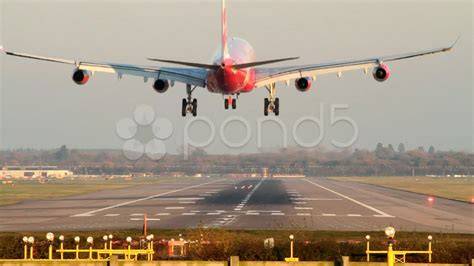
The result was a jet that became far more versatile than originally expected. The 757-200, the most successful version of the family, could operate dense domestic routes, long transcontinental services, and even challenging transatlantic flights. Its capabilities allowed airlines to use it in missions that normally required larger widebody aircraft, making it one of the most flexible commercial aircraft ever built.
Although Boeing ended 757 production in 2004 after delivering fewer than 1,100 aircraft, the aircraft’s reputation has only grown. The aviation industry has produced many successors and alternatives, including the Airbus A321 family and Boeing 737 MAX series, but none has fully captured the unique characteristics that made the 757 special.
The Boeing 757 Was Built for Performance, Not Just Efficiency
The original purpose of the Boeing 757 was to replace the Boeing 727, an aircraft famous for operating from airports with demanding runway conditions. Boeing understood that the replacement could not simply offer better economics; it also needed exceptional performance.
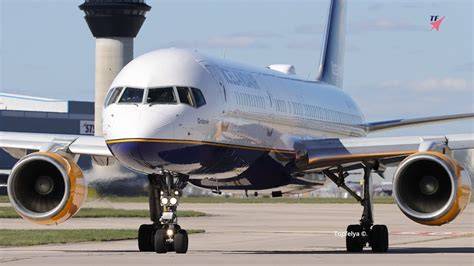
The 757 entered service in 1983 with the 757-200 variant. Compared with the 727-200, the aircraft featured a longer cabin, a more efficient twin-engine design, and a completely new wing structure. Instead of three engines mounted at the rear, the 757 used two powerful turbofan engines positioned beneath large wings.
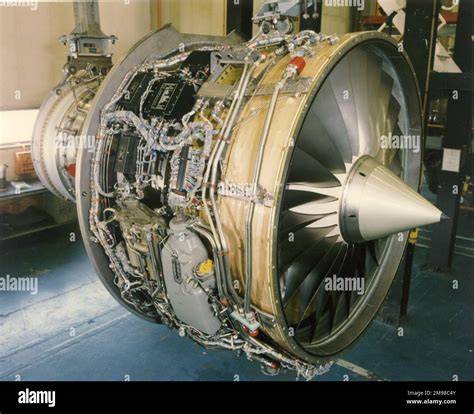
The aircraft was powered primarily by the Rolls-Royce RB211-535 engine, although some operators selected the Pratt & Whitney PW2000. These engines gave the 757 remarkable thrust, allowing it to operate from airports with short runways, high temperatures, or challenging terrain.
The 757’s wings were another major reason for its success. Boeing designed the aircraft with a large wing area and advanced aerodynamics for the era. This gave it excellent lift characteristics and allowed airlines to carry heavy payloads over long distances.
Unlike many narrowbody aircraft designed mainly for short regional missions, the 757 could fly across the United States with a full passenger load and sufficient fuel reserves. Later, as ETOPS regulations expanded during the 1990s, airlines discovered that the aircraft was also capable of long overwater operations.
Why Airlines Still Love the Boeing 757 Four Decades Later
One of the biggest reasons the 757 remains popular is that it offers a rare balance between capacity and performance. Most narrowbody aircraft are optimized either for efficiency or passenger volume, but the 757 achieved both while maintaining impressive operational flexibility.
A typical Boeing 757-200 configuration seats between approximately 190 and 230 passengers, depending on airline layout. This placed it above traditional narrowbody aircraft while avoiding the higher operating costs associated with larger widebody jets.
For airlines such as Delta Air Lines and United Airlines, the aircraft became a valuable tool for connecting major hubs with high-demand routes. The jet could serve busy domestic markets during peak travel periods while also opening international routes that were previously difficult to operate economically.
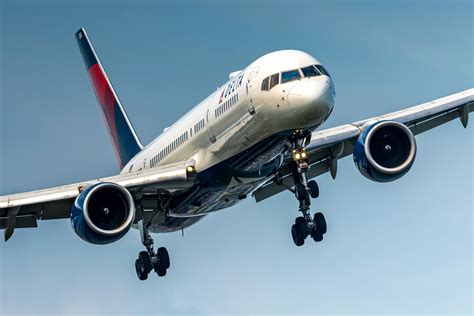
The aircraft’s cockpit design also contributed to its longevity. The 757 shared similarities with the Boeing 767, allowing pilots to transition between the two aircraft types more easily. This commonality reduced training requirements and made the aircraft attractive for airlines operating mixed fleets.
Passengers also developed an appreciation for the 757. Its large windows, spacious cabin compared with smaller narrowbodies, and powerful takeoff performance created a distinctive flying experience. Aviation enthusiasts often recognize the aircraft immediately because of its unique engine sound and aggressive climb capability.
The Airbus A321 Replaced Many Boeing 757 Missions, But Not All
When Airbus introduced the A321, it became the first aircraft that seriously challenged the 757’s market position. The A321 was developed as a stretched version of the A320 family, giving airlines a larger single-aisle aircraft with significant operational advantages.
The aircraft offered one major benefit: fleet commonality. Airlines already operating A320-family aircraft could add the A321 without creating a completely separate maintenance and pilot training system.
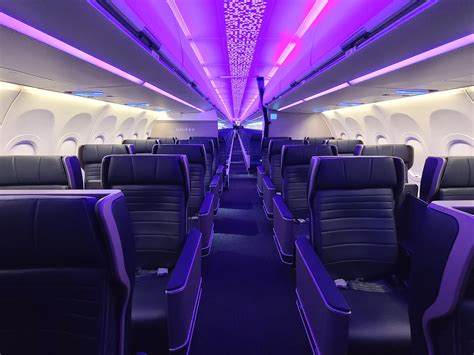
During the 1990s and 2000s, the A321 gradually replaced many 757 missions, particularly short and medium-haul routes. It carried a similar number of passengers while burning less fuel, making it a more attractive choice for airlines focused on reducing operating costs.
However, the original A321 was never a perfect replacement. Early versions lacked the 757’s range and performance capabilities. The Boeing aircraft remained superior for missions requiring heavy payloads from challenging airports or longer routes.
The situation changed with the introduction of the A321neo, A321LR, and A321XLR. These variants dramatically improved range while reducing fuel consumption. The A321XLR, in particular, brought narrowbody aircraft into markets traditionally dominated by the 757.
With a range approaching 4,700 nautical miles (8,700 kilometers), the A321XLR can exceed the 757-200’s range. It can operate transatlantic routes while offering much lower fuel burn.
Despite this achievement, the A321XLR still does not completely replace the 757’s performance characteristics.
The Boeing 757’s Biggest Advantage: Unmatched Takeoff Performance
The greatest difference between the Boeing 757 and modern replacements is not range. It is performance from difficult airports.
The 757 was designed with extremely powerful engines and a large wing, giving it exceptional takeoff capability. This allowed airlines to operate routes from airports with short runways, high elevation, or hot weather conditions.
For example, airports such as Princess Juliana International Airport and other challenging destinations have historically benefited from aircraft with strong takeoff characteristics. Modern narrowbodies can operate many of these routes, but often with limitations on payload, fuel, or passenger numbers.
The Airbus A321neo and Boeing 737 MAX family have improved significantly compared with earlier generations, but they were not designed around the same performance philosophy.
The 757 was essentially a narrowbody aircraft with widebody ambitions. It had the power reserves and structural strength needed for demanding missions. Modern aircraft instead prioritize efficiency, lower operating costs, and fleet flexibility.
That difference explains why airlines sometimes continue operating aging 757 fleets even when newer aircraft are available.
Why Boeing Has Not Built a True 757 Replacement
The disappearance of the 757 replacement market is not because manufacturers failed to recognize the aircraft’s capabilities. Instead, the aviation industry changed.
Modern airlines generally prefer aircraft that maximize efficiency across many routes rather than specialized aircraft designed for unique missions. A new 757 replacement would need to combine several difficult characteristics: large passenger capacity, long range, excellent runway performance, and low operating costs.
Achieving all of these goals would likely create an expensive aircraft with limited demand.
The current market is divided into different categories. The A321neo and A321XLR handle high-capacity narrowbody and long-range missions. The 737 MAX 8 and MAX 10 cover many domestic and regional routes. Smaller aircraft such as the A319neo or 737 MAX 7 can serve airports requiring better performance.
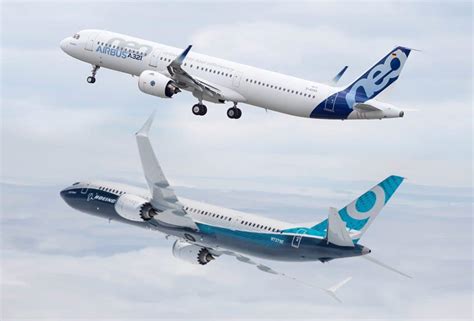
Instead of creating one aircraft that does everything, manufacturers have focused on specialized families that allow airlines to select the most efficient aircraft for each mission.
The Boeing 757 Legacy Continues Despite Production Ending
The Boeing 757 represents a unique moment in aviation history when manufacturers prioritized capability above almost everything else. It was powerful, efficient for its time, comfortable, and flexible enough to operate missions far beyond its original design purpose.
Today, newer aircraft are more economical and technologically advanced, but the 757 remains difficult to replace because it solved a very specific problem. It combined the capacity of a larger narrowbody with the performance of a much bigger aircraft.
The aviation industry may never build another aircraft exactly like the 757. Modern airlines do not necessarily need one, and manufacturers have little incentive to develop such a specialized aircraft.
Yet the continued service of hundreds of 757s proves that exceptional design can remain relevant decades after production ends. The Boeing 757 is not simply an old aircraft still flying; it is a reminder that sometimes the most successful machines are the ones that fill a role nobody has been able to recreate.